

































Popular
Who is the main character in The Greatest Game Ever Played?
What challenges does Francis Ouimet face in pursuing his golf career?
How does the relationship between Francis Ouimet and his father evolve throughout the film?
What role does Harry Vardon play in the story?
What significant event occurs during the U.S. Open that highlights Francis's skill and determination?
Should I watch it?
Ask Your Own Question

What is the plot?
Sorry, we aren't able to watch and write up a full detailed plot yet. Check back in a few days.





What is the ending?
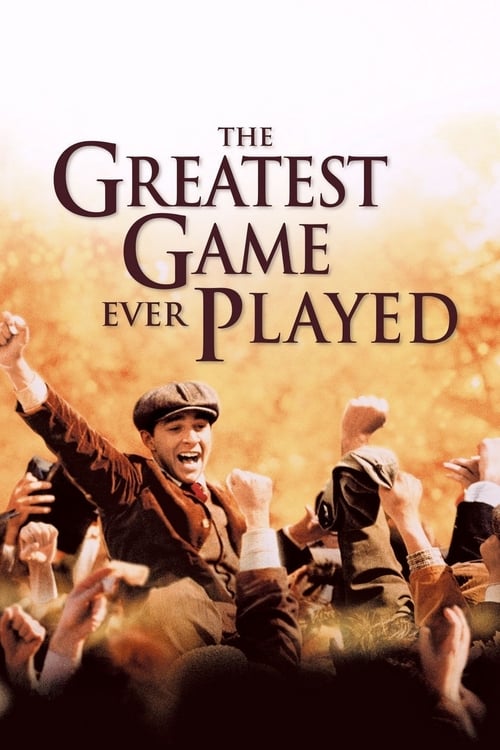
In the ending of "The Greatest Game Ever Played," Francis Ouimet wins the U.S. Open, defeating the reigning champion Harry Vardon. The victory is a significant moment for Francis, as it not only cements his place in golf history but also symbolizes the triumph of determination and passion over social class barriers. The film concludes with Francis celebrating his victory with his family and friends, while Vardon shows respect for his young opponent.
Now, let's delve into the ending in a more detailed narrative fashion.
As the final round of the U.S. Open unfolds, the atmosphere is electric with anticipation. The sun shines brightly over the Brookline Country Club, where the crowd is a mix of golf enthusiasts and curious onlookers, all eager to witness the climax of this historic tournament. Francis Ouimet, a young amateur golfer, stands on the brink of achieving what many deemed impossible: defeating the legendary Harry Vardon, a professional golfer from England.
The tension is palpable as Francis steps up to the first tee, his heart racing. He recalls the struggles he faced to get here, the doubts cast by his father, and the sacrifices made by his mother. With each swing, he channels his determination and passion for the game, pushing aside the weight of expectations. The crowd rallies behind him, sensing the underdog's spirit, and as he sinks his first putt, a wave of hope washes over the spectators.
As the round progresses, the competition between Francis and Vardon intensifies. Vardon, with his calm demeanor and experience, plays with precision, but Francis matches him shot for shot, showcasing his remarkable talent. The film captures the emotional highs and lows of the game: the cheers of the crowd, the anxious glances exchanged between Francis and his caddy, Eddie, and the supportive presence of his mother, who has come to believe in her son's dream.
In a pivotal moment, Francis finds himself in a challenging position on the 17th hole. The pressure mounts as he faces a difficult putt that could determine the outcome of the match. With the crowd holding its breath, he takes a deep breath, visualizes the shot, and executes it flawlessly, sinking the putt to the roar of the audience. This moment solidifies his confidence and determination, propelling him into the final hole with a sense of purpose.
As they approach the 18th hole, the stakes are higher than ever. Vardon, feeling the weight of the moment, struggles with his own nerves. Francis, however, remains focused, drawing strength from the support of his friends and family. The final putt is a tense affair, with both players vying for victory. Francis steps up, his hands steady, and with a smooth stroke, he sinks the ball into the hole. The crowd erupts in jubilation, and Francis is engulfed in a wave of celebration.
In the aftermath of his victory, Francis is met with congratulations from the crowd and fellow competitors. Vardon, despite his disappointment, approaches Francis with respect, acknowledging the young golfer's talent and determination. Their handshake symbolizes a mutual respect that transcends the competition, highlighting the film's theme of sportsmanship.
As the scene shifts, we see Francis surrounded by his family and friends, their faces beaming with pride. His mother, who once doubted his ambitions, now embraces him, tears of joy streaming down her face. Francis's father, initially skeptical of his son's passion for golf, stands in the background, a look of realization dawning on his face as he witnesses his son's triumph.
The film concludes with a montage of Francis's future in golf, hinting at his lasting impact on the sport. The final shot captures him walking away from the course, a champion not just in title but in spirit, embodying the dreams of countless aspiring golfers. The screen fades to black, leaving the audience with a sense of hope and inspiration, underscoring the film's message about perseverance, passion, and the breaking of social barriers.
Is there a post-credit scene?
The movie "The Greatest Game Ever Played," produced in 2005, does not have a post-credit scene. The film concludes with the resolution of the main storyline, focusing on the triumph of Francis Ouimet at the 1913 U.S. Open. After the final moments of the tournament, the film wraps up with a sense of closure, celebrating the achievements of Ouimet and the impact of his victory on the sport of golf, without any additional scenes or content after the credits.
Who is the main character in The Greatest Game Ever Played?
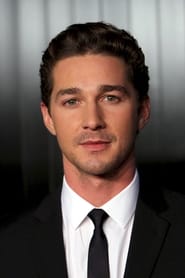
The main character in The Greatest Game Ever Played is Francis Ouimet, a young amateur golfer from a working-class background who dreams of playing in the U.S. Open.
What challenges does Francis Ouimet face in pursuing his golf career?
Francis Ouimet faces numerous challenges, including financial struggles, disapproval from his father who wants him to pursue a more stable career, and the societal barriers of class that make it difficult for a caddy to compete against established professionals.
How does the relationship between Francis Ouimet and his father evolve throughout the film?
Initially, Francis's father disapproves of his passion for golf, believing it to be a waste of time. However, as Francis proves his talent and determination, his father's attitude begins to shift, culminating in a moment of pride and acceptance during the U.S. Open.
What role does Harry Vardon play in the story?
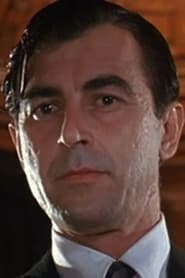
Harry Vardon is a prominent professional golfer and one of the main competitors in the U.S. Open. He serves as both a rival and an inspiration for Francis, representing the established elite of golf that Francis aspires to join.
What significant event occurs during the U.S. Open that highlights Francis's skill and determination?
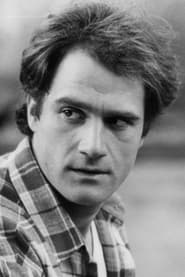
During the U.S. Open, Francis Ouimet faces off against Harry Vardon and Ted Ray in a dramatic playoff. His remarkable skill, composure under pressure, and ability to overcome the odds culminate in a thrilling victory that cements his place in golf history.
Is this family friendly?
The Greatest Game Ever Played is generally considered family-friendly, but there are a few scenes and themes that might be potentially objectionable or upsetting for children or sensitive viewers.
-
Class Struggles: The film portrays the class divide in early 20th-century America, which may include scenes of discrimination and social tension that could be difficult for younger viewers to understand.
-
Parental Conflict: There are moments of tension between the protagonist, Francis Ouimet, and his father, who disapproves of his passion for golf. This conflict may resonate with children who have experienced similar familial disagreements.
-
Pressure and Anxiety: The film depicts the intense pressure of competition, particularly during the U.S. Open. Scenes showing the stress and anxiety of the players may be unsettling for some viewers.
-
Historical Context: The film touches on themes of perseverance against adversity, which may include references to the struggles of the time, including economic hardship and societal expectations.
-
Emotional Moments: There are scenes that evoke strong emotions, such as disappointment and triumph, which may be intense for younger audiences.
Overall, while the film is inspiring and focuses on themes of determination and achievement, these elements may require some context for younger viewers.









