
Popular
What are the key events that lead to the destruction of Baghdad in the series?
How does the character of the Iraqi civilian reflect the impact of war on everyday life?
What role does the international community play in the events depicted in the series?
How does the series depict the psychological effects of war on soldiers?
What specific events illustrate the humanitarian crisis resulting from the war?
Should I watch it?
Ask Your Own Question

What is the plot?
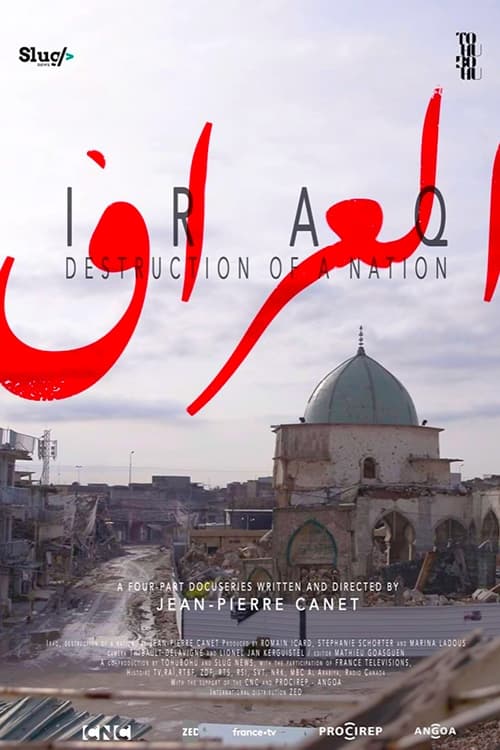
The documentary "Iraq, Destruction of a Nation" opens with a stark visual of the aftermath of the 2003 invasion of Iraq. The camera pans over the ruins of buildings, with debris scattered across the streets. The narration begins, detailing the historical context of Iraq prior to the invasion, highlighting the political landscape under Saddam Hussein. Interviews with historians and political analysts provide insight into the tensions that led to the war, emphasizing the impact of sanctions and the Gulf War on Iraq's infrastructure and economy.
As the narrative progresses, the film shifts to the initial stages of the invasion. Footage from military operations shows coalition forces entering Iraq, with scenes of airstrikes lighting up the night sky. The emotional weight of the invasion is captured through interviews with Iraqi civilians, who express their fears and uncertainties about the future. The film juxtaposes military objectives with the human cost, showcasing the chaos that ensues as the regime begins to collapse.
The documentary then delves into the immediate aftermath of the invasion. Scenes of looting and lawlessness unfold, with citizens taking to the streets to express their frustrations. The film highlights the power vacuum created by the fall of Saddam Hussein, leading to sectarian violence and the rise of insurgent groups. Eyewitness accounts reveal the fear and confusion among the population as they navigate this new reality.
As the situation deteriorates, the film introduces key figures in the U.S. military and government who discuss their strategies for stabilizing Iraq. Their differing opinions on how to proceed create tension, as some advocate for a swift withdrawal while others push for a prolonged military presence. The internal conflicts within the U.S. administration are depicted through archival footage of meetings and discussions, illustrating the complexity of decision-making during this tumultuous period.
The narrative then shifts focus to the rise of sectarian violence, with graphic images of bombings and attacks on various communities. The film captures the emotional toll on families who have lost loved ones, emphasizing the deepening divisions within Iraqi society. Interviews with survivors reveal their struggles to cope with the violence, as they grapple with grief and anger.
In a pivotal moment, the film explores the emergence of ISIS and its impact on Iraq. The documentary presents footage of ISIS fighters seizing control of cities, accompanied by testimonies from those who lived through the terror. The motivations behind the group's rise are examined, with analysts discussing the power dynamics that allowed such an extremist organization to flourish in the chaos.
As the conflict escalates, the film highlights the international response to the crisis. Various countries' involvement in the fight against ISIS is documented, showcasing the coalition forces' military operations. The emotional weight of these battles is conveyed through personal stories of soldiers and civilians caught in the crossfire, illustrating the human cost of the ongoing conflict.
The documentary culminates in a reflection on the long-term consequences of the invasion and subsequent violence. The film presents a series of interviews with Iraqi citizens who share their hopes and fears for the future. The emotional resonance of their stories underscores the lasting impact of the war on their lives and the nation as a whole.
In the final scenes, the film revisits the ruins of cities once vibrant with life, now marked by destruction. The closing narration emphasizes the need for understanding and healing in the wake of such devastation, leaving viewers with a poignant reminder of the human experience amidst the chaos of war.








What is the ending?
In the ending of "Iraq, Destruction of a Nation," the narrative culminates in a poignant reflection on the devastation wrought by war. The main characters, who have been deeply affected by the conflict, face the harsh realities of their choices and the consequences of the war. The film concludes with a somber acknowledgment of loss, resilience, and the enduring impact of violence on the nation and its people.
As the final scenes unfold, we see the aftermath of the conflict. The camera pans over the ruins of once-bustling neighborhoods, now silent and desolate. The emotional weight of the destruction is palpable, as the remnants of homes and lives lost serve as a haunting backdrop.
In a key scene, we find one of the main characters, a soldier named Ahmed, standing amidst the rubble of a bombed-out building. His face is etched with grief and guilt, reflecting on the lives he has seen lost and the choices he made during the war. He clutches a photograph of his family, a stark reminder of what he is fighting for, yet also a symbol of what he has sacrificed. The internal conflict within him is evident; he grapples with the notion of duty versus the moral implications of his actions.
Meanwhile, Layla, a local journalist who has been documenting the war's impact on civilians, is seen interviewing survivors. Her eyes are filled with determination, yet they also reveal the toll that witnessing such suffering has taken on her spirit. She listens intently to the stories of loss and resilience, capturing the voices of those who have been silenced by the violence. In her final report, she emphasizes the need for healing and understanding, highlighting the importance of remembering the past to prevent future atrocities.
As the film draws to a close, we see a montage of the characters' lives interwoven with the broader narrative of Iraq's struggle. Ahmed returns home, but the reunion is bittersweet; his family is grateful for his return, yet the scars of war linger in their interactions. Layla's articles gain international attention, sparking conversations about the need for accountability and reconciliation in the wake of destruction.
The final shot lingers on the Iraqi landscape, a mix of beauty and devastation. The sun sets over the horizon, casting a warm glow over the ruins, symbolizing both hope and the long road ahead for healing. The screen fades to black, leaving the audience with a profound sense of the enduring impact of war on individuals and the nation as a whole.
In this ending, the fates of the main characters are intertwined with the larger narrative of Iraq. Ahmed must confront his past and seek redemption, while Layla becomes a voice for the voiceless, advocating for a future built on understanding and peace. The film closes with a powerful reminder of the resilience of the human spirit amidst the ruins of a nation.
Is there a post-credit scene?
In the TV show "Iraq, Destruction of a Nation," produced in 2021, there is no post-credit scene. The series concludes its narrative without additional content after the credits, focusing instead on the powerful and emotional storytelling throughout its episodes. The final moments of the last episode encapsulate the themes of loss, resilience, and the ongoing impact of war on the Iraqi people, leaving viewers with a poignant reflection on the devastation and hope for the future.
What are the key events that lead to the destruction of Baghdad in the series?
The series meticulously details the events leading up to the destruction of Baghdad, focusing on the buildup of tensions between Iraq and the United States. It highlights the political maneuvers, the impact of sanctions, and the military strategies employed by both sides. Key scenes depict the moments of decision-making in the U.S. government, the mobilization of troops, and the emotional toll on Iraqi civilians as they prepare for the impending conflict.
How does the character of the Iraqi civilian reflect the impact of war on everyday life?
The series introduces a central character, an Iraqi civilian, whose life is turned upside down by the war. Through intimate scenes of family gatherings disrupted by air raid sirens, the character's internal struggle is palpable. The viewer witnesses their hopes and dreams being shattered, showcasing the emotional weight of loss and resilience amidst chaos.
What role does the international community play in the events depicted in the series?
The series portrays the international community's response to the Iraq conflict through various characters, including diplomats and activists. Key scenes illustrate heated debates in the United Nations, protests around the world, and the moral dilemmas faced by those who advocate for peace versus those who support military intervention. The emotional stakes are high as characters grapple with their beliefs and the consequences of their actions.
How does the series depict the psychological effects of war on soldiers?
The series delves into the psychological impact of war on soldiers through flashbacks and personal testimonies. Key scenes show soldiers grappling with PTSD, haunted by memories of combat and the destruction they witnessed. The emotional turmoil is depicted through their interactions with family and friends, revealing the deep scars that war leaves on their psyche.
What specific events illustrate the humanitarian crisis resulting from the war?
The series highlights several key events that illustrate the humanitarian crisis, including scenes of overcrowded hospitals, families fleeing their homes, and the struggle for basic necessities like food and water. The emotional weight of these scenes is amplified by personal stories of loss and survival, showcasing the resilience of the Iraqi people amidst overwhelming adversity.
Is this family friendly?
"Iraq, Destruction of a Nation" is a documentary series that delves into the complex and often harrowing realities of the Iraq War and its aftermath. Given its subject matter, the series is not considered family-friendly.
Potentially objectionable or upsetting aspects include:
-
Graphic depictions of violence: The series includes footage and accounts of combat, bombings, and the aftermath of attacks, which may be distressing for younger viewers or sensitive individuals.
-
Emotional trauma: Personal stories of loss, displacement, and suffering are shared, highlighting the psychological impact of war on families and communities.
-
Scenes of destruction: Visuals of devastated landscapes, ruined buildings, and the impact of warfare on civilian life can be unsettling.
-
Discussions of death and injury: The series addresses the casualties of war, including both military personnel and civilians, which may be difficult for some viewers to process.
-
Political and social commentary: The series explores complex themes of governance, sectarian violence, and the consequences of foreign intervention, which may be challenging for younger audiences to fully understand.
Overall, the series presents a stark and unfiltered look at the realities of war, making it more suitable for mature audiences.