


















Popular
What specific events lead to the climax of the investigation?
What motivates the main characters to join the Ordre du Temple solaire?
How does the investigation into the Ordre du Temple solaire unfold?
What role does the character of Luc play in the story?
How do the former members of the cult react during the investigation?
Should I watch it?
Ask Your Own Question

What is the plot?
In the opening scenes of "Ordre du Temple solaire: L'enquête impossible," the narrative begins with a flashback to the late 1990s, showcasing the mysterious deaths of members of the Order of the Solar Temple in Switzerland and France. The camera pans over serene landscapes, contrasting with the dark undertones of the events that transpired. The audience is introduced to the enigmatic leader, Joseph Di Mambro, whose charismatic presence draws followers into the cult. The initial scenes establish a sense of intrigue and foreboding, hinting at the tragic fate that awaits the members.
As the story progresses, the focus shifts to the present day, where a team of investigators, including journalist and true crime enthusiast, Claire, is determined to uncover the truth behind the cult's activities and the circumstances surrounding the deaths. Claire's motivation is deeply personal; her own family was affected by the cult's influence. The investigators gather in a dimly lit conference room, poring over old case files and witness testimonies, revealing the cult's practices and the psychological manipulation employed by Di Mambro.
The narrative then transitions to a series of interviews with former cult members, who recount their experiences. One former member, Marc, describes the initial allure of the Order, emphasizing the sense of community and belonging it provided. However, as the interviews progress, the tone shifts dramatically as Marc reveals the darker side of the cult, including the indoctrination techniques and the pressure to conform. The emotional weight of his testimony is palpable, as he struggles with guilt and regret over his involvement.
In a pivotal scene, the investigators travel to the remote locations where the cult held its gatherings. They explore the eerie remnants of the cult's communes, capturing the haunting atmosphere through sweeping shots of abandoned buildings and overgrown landscapes. The tension builds as they uncover hidden documents and artifacts that suggest a deeper conspiracy. Claire's determination intensifies, fueled by her desire to bring justice to the victims and their families.
The plot thickens when the team discovers a connection between the cult and a series of unexplained disappearances in the region. This revelation leads them to suspect that the Order may have been involved in more than just the tragic deaths. The investigators split into smaller groups to follow different leads, heightening the sense of urgency. Claire and her partner, David, delve into the financial records of the cult, uncovering suspicious transactions that hint at a larger network of influence.
As the investigation unfolds, the narrative introduces a twist: a former high-ranking member of the cult, now living under an alias, reaches out to Claire. This individual, who goes by the name of Sophie, claims to have vital information about the cult's inner workings and the events leading up to the mass suicides. The tension escalates as Claire and David arrange a clandestine meeting with Sophie in a dimly lit café, where she shares her harrowing story of manipulation and fear.
Sophie reveals that Di Mambro had a prophetic vision that led to the belief that the world was ending, prompting the cult to prepare for a mass ascension. The emotional weight of her confession is evident as she recounts the fear that gripped the members and the pressure to comply with Di Mambro's directives. The investigators are left reeling from the implications of her revelations, realizing the depth of the psychological control exerted over the cult members.
In a climactic sequence, the investigators confront the remaining members of the Order, who are still loyal to Di Mambro's teachings. The confrontation takes place in a secluded location, where the tension reaches a boiling point. The loyalists, armed with fervent belief, attempt to intimidate the investigators, leading to a heated exchange. Claire, driven by her quest for truth, stands her ground, challenging their beliefs and demanding accountability for the past.
The narrative reaches its peak as the investigators piece together the final elements of the puzzle. They uncover a hidden cache of documents that detail the cult's plans for the mass suicides, revealing the chilling extent of Di Mambro's manipulation. The emotional stakes are high as Claire grapples with the weight of the truth, knowing that exposing the cult's actions could bring closure to the victims' families but also reignite the pain of the past.
In the concluding scenes, the investigators present their findings to the public, sparking a renewed interest in the case. The emotional fallout is palpable as families of the victims react to the revelations, some finding solace in the truth while others struggle with the resurfacing of old wounds. Claire reflects on her journey, feeling a mix of relief and sorrow as she realizes the impact of the cult's legacy on countless lives.
The final moments of the show depict a somber yet hopeful tone, as the investigators vow to continue their work in uncovering the truth behind other cults and protecting vulnerable individuals from similar fates. The screen fades to black, leaving the audience with a lingering sense of the complexities of belief, manipulation, and the quest for justice.
More TV Shows Like This
Browse All TV Shows →




What is the ending?
In the ending of "Ordre du Temple solaire: L'enquête impossible," the investigation into the mysterious deaths linked to the cult reaches a climax. The remaining investigators piece together the final clues, revealing the tragic fate of the cult members. The show concludes with a somber reflection on the impact of the cult's beliefs and the emotional toll on the families of the victims.
As the final episode unfolds, the scene opens in a dimly lit room filled with photographs and documents scattered across a large table. The lead investigator, a determined and weary figure, pores over the evidence collected throughout the series. The camera zooms in on a photograph of the cult's leader, whose charismatic yet unsettling smile haunts the investigator. The weight of the investigation hangs heavily in the air, as the investigator grapples with the emotional burden of the lives lost.
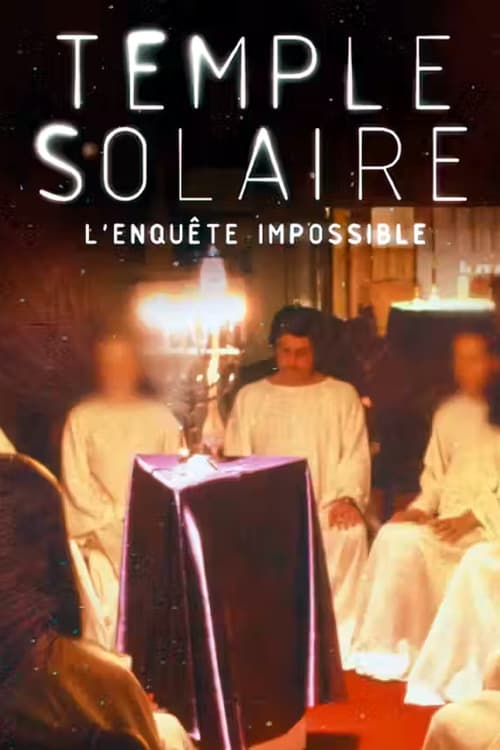
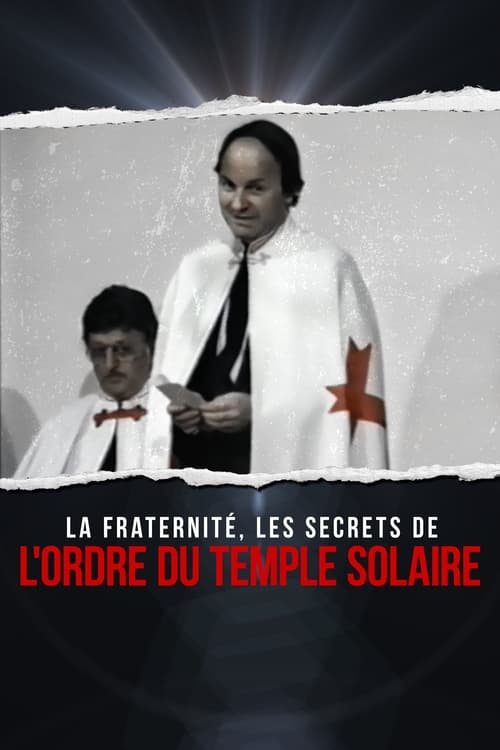
Transitioning to a flashback, the audience is taken back to the last gathering of the cult. The members, dressed in white robes, are seen in a serene yet eerie setting, chanting and holding hands in a circle. The atmosphere is thick with a sense of impending doom, as the leader delivers a final sermon filled with promises of transcendence and unity. The camera captures the faces of the followers, a mix of hope and desperation, reflecting their internal struggles and the allure of the leader's words.
Back in the present, the investigator receives a crucial tip-off that leads to a secluded location where the final tragic events unfolded. The scene shifts to a desolate area, where remnants of the cult's last ritual are discovered. The investigator's heart races as they uncover personal belongings of the victims, each item telling a story of lost dreams and shattered lives. The emotional weight of the discovery is palpable, as the investigator reflects on the families left behind, grappling with grief and unanswered questions.
As the investigation reaches its conclusion, the show intersperses scenes of the families of the victims, each grappling with their loss in different ways. One mother is seen clutching a photograph of her child, tears streaming down her face as she recalls happier times. Another family member stands at a gravesite, the wind rustling through the trees, symbolizing the haunting silence left in the wake of the cult's actions.
In the final moments, the investigator delivers a poignant monologue, addressing the camera directly. They speak of the dangers of blind faith and the vulnerability of those seeking belonging. The screen fades to black, leaving the audience with a lingering sense of sorrow and reflection on the human condition.
The fates of the main characters are revealed: the investigator, though burdened by the weight of the case, finds a renewed sense of purpose in advocating for awareness about cults and their impact. The families of the victims, while forever changed by their loss, begin to find strength in each other, forming a support network to honor their loved ones. The cult's leader, a shadowy figure throughout the series, is left as a haunting reminder of the manipulation and tragedy that unfolded, their fate remaining shrouded in mystery, symbolizing the unresolved nature of such tragedies.
Is there a post-credit scene?
In the 2022 documentary series "Ordre du Temple solaire : L'enquête impossible," there is no post-credit scene. The series concludes with a comprehensive wrap-up of the investigation into the mysterious events surrounding the Order of the Solar Temple, leaving viewers with a sense of closure regarding the complex narrative. The final moments focus on the reflections of the investigators and experts involved, emphasizing the emotional weight of the tragedy and the unresolved questions that linger in the aftermath of the cult's actions. The absence of a post-credit scene reinforces the somber tone of the series, inviting viewers to contemplate the implications of the events rather than providing additional narrative twists or light-hearted moments.
What specific events lead to the climax of the investigation?
The climax is marked by a dramatic confrontation between investigators and cult members during a secret gathering. Tensions escalate as truths are revealed, and the emotional stakes are heightened. The scene is charged with fear and desperation, as characters confront their past choices and the consequences of their allegiance to the cult.
What motivates the main characters to join the Ordre du Temple solaire?
The main characters are driven by a deep desire for belonging and spiritual enlightenment. Many of them feel disillusioned with the material world and seek a community that promises deeper truths and a sense of purpose. Their emotional states fluctuate between hope and desperation, as they grapple with personal crises that lead them to the cult.
How does the investigation into the Ordre du Temple solaire unfold?
The investigation begins with a series of mysterious deaths linked to the cult. As detectives delve deeper, they uncover layers of secrecy and manipulation within the organization. Each scene reveals new evidence, such as hidden documents and testimonies from former members, which heighten the tension and urgency of the investigation.
What role does the character of Luc play in the story?
Luc serves as a charismatic leader within the Ordre du Temple solaire, embodying both charm and menace. His internal conflict is palpable; he genuinely believes in the teachings he espouses, yet he also manipulates followers for his own gain. His emotional state oscillates between confidence and paranoia as the investigation closes in on him.
How do the former members of the cult react during the investigation?
Former members exhibit a range of emotions, from fear to relief. Many are haunted by their past experiences and struggle to articulate their trauma. Their testimonies are filled with raw emotion, revealing the psychological grip the cult had on them, and they often express a desperate need for closure and understanding.
Is this family friendly?
"Ordre du Temple solaire : L'enquête impossible" delves into the complex and often dark themes surrounding the real-life events of the Order of the Solar Temple, a cult linked to tragic incidents. While the show aims to explore these events through investigative storytelling, it contains several elements that may not be suitable for children or sensitive viewers.
-
Death and Tragedy: The series addresses the deaths of cult members, including scenes that may depict the aftermath of these events, which can be distressing.
-
Cult Dynamics: The portrayal of cult behavior and manipulation can be unsettling, as it explores themes of control, indoctrination, and psychological distress.
-
Emotional Turmoil: Characters may experience intense emotional states, including grief, despair, and confusion, which could be upsetting for younger audiences.
-
Dark Themes: The exploration of belief systems that lead to tragic outcomes may include discussions or depictions of suicide and violence, which are sensitive topics.
-
Investigative Tension: The investigative nature of the show may include suspenseful moments that could be frightening for younger viewers.
Overall, the series is likely to be more suitable for mature audiences due to its heavy themes and emotional weight.