







Popular
What is the significance of the dance competition in the story?
How does the relationship between the main characters evolve throughout the series?
What role does the mentor figure play in the characters' development?
What personal challenges does Mia face that impact her performance?
How does the setting of the dance studio influence the characters' journeys?
Should I watch it?
Ask Your Own Question

What is the plot?
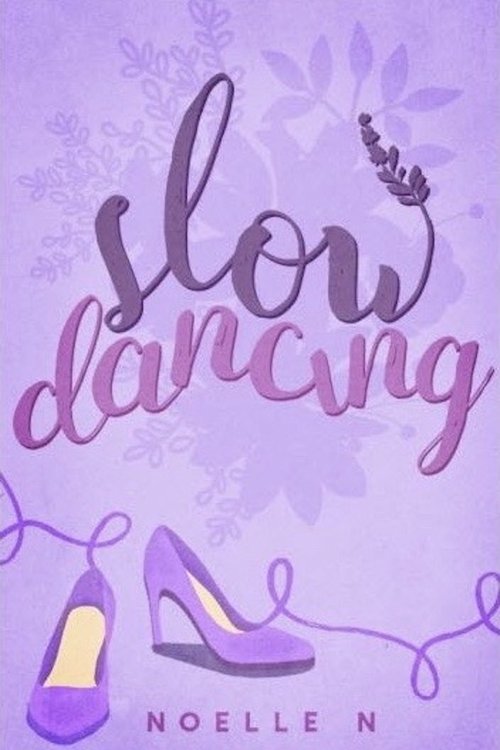
In the opening scene of "Slow Dancing," we are introduced to the protagonist, Mia, a talented but struggling dancer in her late twenties. She is seen rehearsing in a dimly lit studio, her movements filled with passion yet tinged with frustration. Mia's internal conflict is evident as she grapples with self-doubt and the pressure to succeed in a competitive dance world. Her mentor, a seasoned choreographer named Victor, watches her from the sidelines, offering both encouragement and tough love.
As the story unfolds, Mia receives an invitation to audition for a prestigious dance company. This opportunity ignites a spark of hope within her, but it also amplifies her anxiety. She confides in her best friend, Sarah, who supports her decision to pursue the audition despite Mia's fears of failure. The two share a heartfelt moment, highlighting their deep bond and the sacrifices they've made for their dreams.
The day of the audition arrives, and Mia is a bundle of nerves. She arrives at the grand theater, where the atmosphere is electric with the presence of other talented dancers. As she performs, her emotions pour out through her movements, captivating the judges. However, just as she feels she has nailed the routine, she stumbles during a crucial turn, leading to a moment of self-doubt. The judges' expressions are inscrutable, leaving Mia anxious about her performance.
After the audition, Mia receives a call from the dance company, but it's not the news she hoped for. She learns that she was not selected, which sends her into a spiral of despair. In her vulnerable state, she confronts Victor, who pushes her to channel her disappointment into her art. This conversation serves as a turning point for Mia, as she begins to realize that her journey as a dancer is not solely defined by external validation.
In the following weeks, Mia immerses herself in her dance, exploring new styles and techniques. During this time, she meets Alex, a charismatic street dancer who challenges her to step outside her comfort zone. Their chemistry is palpable, and they begin to form a close friendship that blossoms into a romantic relationship. Alex encourages Mia to embrace her individuality and to find joy in dance rather than focusing solely on competition.
As Mia and Alex grow closer, they face challenges that test their relationship. Mia struggles with balancing her newfound love for street dance with her classical training, leading to tension between her and Victor, who disapproves of her diverging path. This conflict culminates in a heated argument where Mia asserts her desire to explore her own artistic voice, while Victor insists on the importance of discipline and tradition.
In a pivotal scene, Mia decides to enter a local dance competition that celebrates diverse styles. She and Alex collaborate on a routine that fuses their different backgrounds, showcasing their unique strengths. The preparation for the competition is intense, filled with late-night rehearsals and moments of doubt. Mia's internal struggle resurfaces as she worries about disappointing both Victor and Alex.
On the night of the competition, the atmosphere is charged with excitement. Mia and Alex perform their routine, and the audience is captivated by their chemistry and creativity. However, midway through the performance, Mia experiences a moment of panic, recalling her earlier audition failure. In a split-second decision, she improvises, allowing her emotions to guide her movements. This choice transforms the performance into a raw and authentic expression of her journey.
The performance ends with thunderous applause, and Mia feels a sense of liberation. Despite not winning the competition, she receives praise for her originality and emotional depth. This moment solidifies her belief in herself as a dancer and marks a significant shift in her character arc.
In the aftermath of the competition, Mia reconciles with Victor, who acknowledges her growth and the importance of finding her own path. They share a heartfelt conversation about the nature of art and the balance between tradition and innovation. Mia expresses gratitude for Victor's guidance while asserting her independence as an artist.
The series concludes with Mia and Alex sharing a quiet moment together, reflecting on their journey. They discuss their dreams and aspirations, hinting at a future filled with possibilities. Mia's transformation is evident as she embraces her identity as a dancer, ready to face whatever challenges lie ahead with newfound confidence and passion.








What is the ending?
In the ending of "Slow Dancing," the main characters confront their unresolved feelings and relationships, leading to a poignant resolution. The story culminates in a dance that symbolizes their emotional journeys, ultimately allowing them to find closure and a sense of peace.
As the final act unfolds, the scene opens in a dimly lit community hall, where the annual dance is taking place. The atmosphere is filled with a mix of nostalgia and tension, as the characters gather, each carrying the weight of their past decisions. The camera pans across the room, capturing the flickering lights and the soft hum of music, setting a reflective mood.
The first key moment occurs when Mia, one of the central characters, steps onto the dance floor. She is dressed in a flowing gown that sways gently with her movements, embodying both grace and vulnerability. As she glances around, her eyes meet those of her former partner, Jake, who stands at the edge of the crowd, his expression a mix of longing and regret. The tension between them is palpable, and the music swells, drawing them closer together.
In a pivotal scene, Mia approaches Jake, her heart racing as she battles her emotions. They share a quiet conversation, filled with unspoken words and lingering glances. Mia expresses her feelings of loss and the impact of their past relationship on her present. Jake, visibly moved, opens up about his own struggles and the mistakes he made. This exchange is raw and honest, showcasing their growth and the depth of their connection.
As the dance progresses, the camera shifts to other characters, including Sarah and Tom, who are also navigating their own emotional landscapes. Sarah, who has been grappling with her insecurities, finds the courage to confront Tom about their future. Their conversation is tense but ultimately leads to a moment of understanding, as they both acknowledge their fears and desires. This scene highlights the theme of vulnerability and the importance of communication in relationships.
The climax of the episode arrives when all the characters come together on the dance floor. The music shifts to a slower, more intimate melody, inviting everyone to join in a collective dance. The choreography is beautifully synchronized, symbolizing their shared experiences and the healing power of connection. As they move together, the camera captures their expressions--smiles, tears, and moments of joy--reflecting the complexity of their emotions.
In the final moments, the dance comes to an end, and the characters find themselves in a circle, holding hands. They share a collective breath, a moment of unity that signifies their acceptance of the past and hope for the future. Mia and Jake exchange a final, knowing look, filled with both closure and the possibility of new beginnings. The scene fades out, leaving the audience with a sense of resolution and the understanding that while their journeys may continue separately, they are forever changed by their experiences.
As the credits roll, the fate of each main character is subtly hinted at. Mia is seen walking away from the hall with a newfound sense of purpose, ready to embrace her future. Jake lingers for a moment, reflecting on the dance, before finally stepping outside, a hint of a smile on his face. Sarah and Tom, hand in hand, leave together, their conversation filled with laughter, suggesting a renewed commitment to each other. The ending encapsulates the essence of "Slow Dancing," emphasizing the importance of facing one's emotions and the transformative power of love and connection.
Is there a post-credit scene?
In the TV show "Slow Dancing," produced in 2021, there is indeed a post-credit scene that adds an intriguing layer to the narrative.
As the credits roll, the screen fades to black before transitioning to a dimly lit dance studio. The camera pans slowly across the room, revealing a polished wooden floor and mirrors lining the walls, reflecting the soft glow of overhead lights. The atmosphere is thick with nostalgia and unspoken emotions.
In the center of the studio, we see the main character, Mia, practicing a slow dance routine. Her movements are fluid yet tinged with a sense of longing, as if she is trying to connect with something--or someone--lost. The music playing softly in the background is a haunting melody that echoes the themes of love and loss explored throughout the series.
As Mia twirls, her expression shifts from concentration to a bittersweet smile, suggesting a moment of acceptance. Suddenly, the door creaks open, and a shadowy figure enters the frame. The camera zooms in on Mia's face, her eyes widening in surprise and hope. The scene cuts to black just as the figure steps into the light, leaving viewers in suspense about the identity of the newcomer and the implications for Mia's journey.
This post-credit scene encapsulates the emotional core of "Slow Dancing," hinting at unresolved relationships and the possibility of new beginnings, while also inviting the audience to ponder the future of the characters they have come to care about.
What is the significance of the dance competition in the story?
The dance competition serves as a pivotal plot device that brings the main characters together, highlighting their personal struggles and aspirations. It symbolizes not only their desire for recognition but also their journey towards self-acceptance and healing. Each character's relationship with dance reflects their emotional state, with the competition acting as a catalyst for growth and connection.
How does the relationship between the main characters evolve throughout the series?
The relationship between the main characters, Mia and Jake, evolves from initial rivalry to a deep emotional bond. Initially, they are competitive dancers who clash due to their differing styles and motivations. As they face personal challenges and support each other through their vulnerabilities, their connection deepens, leading to moments of intimacy and trust that redefine their partnership.
What role does the mentor figure play in the characters' development?
The mentor figure, Ms. Thompson, plays a crucial role in guiding Mia and Jake through their personal and professional challenges. She provides wisdom and tough love, pushing them to confront their fears and embrace their true selves. Her own backstory as a former dancer who faced similar struggles adds depth to her character, making her advice resonate deeply with the protagonists.
What personal challenges does Mia face that impact her performance?
Mia grapples with the pressure of familial expectations and her own insecurities about her talent. Throughout the series, she struggles with self-doubt stemming from her past failures and the fear of disappointing her mother, who was a former dancer. These internal conflicts manifest in her performances, where her emotional turmoil often hinders her ability to fully express herself on stage.
How does the setting of the dance studio influence the characters' journeys?
The dance studio serves as a sanctuary for the characters, a place where they can escape their external pressures and explore their identities. The vibrant atmosphere, filled with music and movement, contrasts with their personal struggles, creating a space for healing and growth. The studio becomes a character in itself, reflecting the highs and lows of their journeys as they navigate the complexities of competition and collaboration.
Is this family friendly?
"Slow Dancing," produced in 2021, is a poignant exploration of relationships, love, and personal growth. While it has a heartfelt narrative, there are elements that may not be suitable for all audiences, particularly children or sensitive viewers.
-
Emotional Turmoil: The show delves into complex emotional themes, including heartbreak, loss, and the struggles of personal identity, which may be intense for younger viewers.
-
Romantic Relationships: There are scenes depicting romantic relationships that include moments of tension, misunderstandings, and emotional conflict, which might be challenging for younger audiences to process.
-
Family Dynamics: The portrayal of strained family relationships can be upsetting, as characters navigate issues such as disappointment, conflict, and reconciliation.
-
Mental Health Themes: The show touches on mental health struggles, including anxiety and depression, which may be distressing for some viewers.
-
Mature Language: There are instances of strong language that may not be appropriate for children.
Overall, while "Slow Dancing" offers valuable life lessons and emotional depth, its themes and content may require parental guidance for younger viewers.