

Popular
What challenges does the main character face in Season 2?
How does the relationship between Lars and his childhood friend evolve throughout Season 2?
What role does the setting play in the character development of Lars in Season 2?
What significant event occurs during the mid-season that alters the course of the story?
How does the character of Emma change by the end of Season 2?
Should I watch it?
Ask Your Own Question

What is the plot?
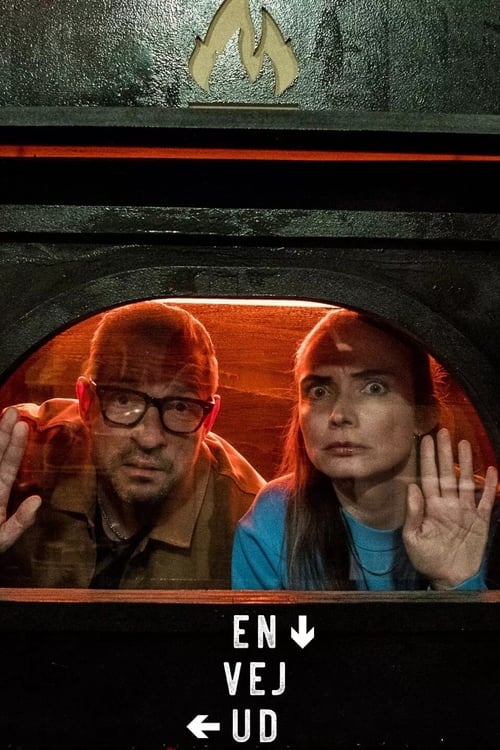
In the opening episode of "Året der gak" Season 2, the story resumes with the aftermath of the dramatic events from Season 1. The main character, Lars, is grappling with the emotional fallout of his decisions, particularly regarding his estranged relationship with his father. The episode begins with Lars standing alone on a cliff, staring out at the ocean, reflecting on his past choices. His internal struggle is palpable as he recalls moments of conflict with his father, which sets the tone for his journey of reconciliation.
As the episode progresses, Lars receives a phone call from his childhood friend, Maja, who informs him that his father has fallen ill. This news prompts Lars to return to his hometown, where he is met with mixed feelings from the locals, who remember his family's troubled history. Upon arriving, he is confronted by his father's deteriorating health and the tension that has built up over the years. Lars's mother, Ingrid, is supportive but also expresses her frustration with Lars for staying away for so long. This scene highlights the emotional stakes and the complicated family dynamics at play.
In the second episode, Lars attempts to reconnect with his father, but their conversations are fraught with tension. His father, Erik, is bitter and resentful, blaming Lars for abandoning the family. Lars, feeling guilty and defensive, struggles to find the right words to express his feelings. The episode features a pivotal scene where Lars finally confronts Erik about their past, leading to a heated argument that ends with Erik collapsing from his illness. This moment serves as a catalyst for Lars to take charge of the situation, pushing him to step up as a son despite their fraught relationship.
The third episode shifts focus to Maja, who is dealing with her own personal issues. She is shown struggling with her career as an artist, feeling the pressure to succeed while also dealing with her feelings for Lars. Maja decides to organize an art exhibition in the town, hoping to bring the community together and create a sense of healing. As she prepares for the exhibition, she reflects on her friendship with Lars and the unresolved feelings that linger between them. This subplot adds depth to her character and sets the stage for future interactions with Lars.
In the fourth episode, the art exhibition takes place, and the town gathers to support Maja. Lars attends, feeling a mix of pride and nostalgia as he sees Maja's work. During the event, he and Maja share a moment that reignites their connection, but it is interrupted when Lars receives a call about his father's condition worsening. This moment emphasizes the conflict between Lars's personal desires and his familial obligations, showcasing his internal struggle.
The fifth episode delves deeper into Erik's illness, revealing that he has been diagnosed with a terminal condition. Lars is faced with the harsh reality of losing his father, which forces him to confront his feelings of regret and anger. He spends time with Erik, who shares stories from his past, providing insight into his own struggles and regrets. This emotional exchange allows Lars to see his father in a new light, fostering a sense of empathy and understanding.
In the sixth episode, tensions rise as the family dynamics become increasingly strained. Ingrid expresses her frustration with both Lars and Erik, feeling caught in the middle. A family meeting is called, where long-buried grievances surface, leading to a dramatic confrontation. Lars finally admits his feelings of abandonment and hurt, while Erik reveals his own fears about dying and leaving his family behind. This cathartic moment brings a temporary truce, but the underlying issues remain unresolved.
The seventh episode introduces a new character, a nurse named Sofia, who becomes a source of support for Lars and his family. She helps them navigate the complexities of Erik's illness and provides emotional support. Lars finds himself drawn to Sofia, creating a love triangle that complicates his feelings for Maja. This subplot adds tension and depth to Lars's character as he grapples with his romantic feelings amidst family turmoil.
In the eighth episode, the situation escalates as Erik's health declines rapidly. The family is forced to make difficult decisions regarding his care. Lars feels overwhelmed by the responsibility and struggles to balance his emotions. A pivotal scene occurs when Lars and Ingrid have a heart-to-heart conversation about their fears and hopes for the future, solidifying their bond as they face the impending loss together.
The ninth episode culminates in a heartbreaking moment when Erik passes away. The family is devastated, and Lars is left to grapple with his unresolved feelings. The funeral serves as a turning point for the characters, as they come together to honor Erik's memory. Maja supports Lars during this difficult time, and their relationship deepens as they share their grief.
In the final episode of the season, Lars begins to find closure. He reflects on his father's life and the lessons learned from their tumultuous relationship. Maja encourages him to pursue his dreams, and they share a tender moment that hints at a potential future together. The season ends with Lars standing on the same cliff from the beginning, but this time he is filled with a sense of hope and determination to move forward, embracing both his past and the possibilities of the future.
Related Titles
Browse All Titles →




What is the ending?
In the ending of "Året der gak" Season 2, the main characters face the culmination of their struggles and relationships. The season concludes with a dramatic confrontation that leads to significant changes in their lives. Each character's journey reaches a pivotal moment, resulting in resolutions that reflect their growth and the choices they have made throughout the season.
As the final episode unfolds, we see the characters grappling with their past decisions. The tension builds as they confront each other, revealing long-held secrets and unresolved conflicts. The emotional stakes are high, and the atmosphere is charged with a mix of fear, hope, and desperation.
In the climax, a critical decision is made that alters the course of their lives. The characters must choose between their personal desires and the bonds they have formed with one another. This moment of choice is pivotal, showcasing their development and the lessons they have learned.
By the end, some characters find closure, while others are left with lingering questions about their futures. The season wraps up with a sense of bittersweet resolution, emphasizing the complexity of relationships and the impact of choices.
As the final episode of "Året der gak" Season 2 begins, the camera pans over a dimly lit room where the main characters gather for what feels like a final confrontation. The air is thick with tension, and the weight of their past decisions hangs heavily over them.
Scene 1: The Gathering The characters, visibly worn from their experiences, sit in a circle. Each face reflects a mix of anxiety and determination. They exchange glances, knowing that this meeting could change everything. The leader of the group, with a furrowed brow, breaks the silence, urging everyone to speak their truth. The atmosphere is charged as they begin to share their feelings, revealing secrets that have been buried deep.
Scene 2: The Confrontation As the conversation escalates, emotions flare. One character, feeling betrayed, stands up, their voice trembling with anger. They accuse another of selfishness, igniting a heated argument. The camera captures the raw emotions on their faces--fear, regret, and a desperate need for understanding. The confrontation reaches a peak when a pivotal secret is revealed, shaking the group to its core.
Scene 3: The Decision In the aftermath of the confrontation, the characters are left to reflect on what has been said. The leader proposes a choice: they can either continue down their current paths, risking further division, or they can come together to forge a new future. The room falls silent as each character contemplates the weight of this decision. The camera zooms in on their faces, capturing the internal struggle as they weigh their desires against their loyalty to one another.
Scene 4: The Resolution After a tense pause, one character steps forward, choosing to embrace the possibility of change. This act of bravery inspires the others, and one by one, they begin to voice their commitment to work together. The atmosphere shifts from one of conflict to one of hope. They share a moment of unity, acknowledging the challenges ahead but expressing a willingness to face them together.
Scene 5: The Farewell As the episode draws to a close, the characters prepare to part ways, each heading towards their individual journeys. The leader offers a heartfelt farewell, reminding them that their bonds will remain, no matter the distance. The camera captures their emotional farewells, highlighting the growth they have experienced.
In the final moments, we see each character stepping into their new lives, filled with uncertainty but also with a renewed sense of purpose. The screen fades to black, leaving the audience with a lingering sense of hope and the understanding that while their paths may diverge, the connections they forged will always be a part of them.
The fate of each main character is left open-ended, allowing viewers to ponder their futures. Some may find success, while others may continue to struggle, but all have been irrevocably changed by their experiences together. The season concludes with a poignant reminder of the complexities of relationships and the power of choice.
Is there a post-credit scene?
In the second season of "Året der gak," there is indeed a post-credit scene that adds an intriguing layer to the narrative.
As the credits roll, the screen fades to black before transitioning to a dimly lit room filled with scattered papers and photographs. The camera slowly pans across the clutter, revealing images of the main characters from various moments throughout the season, hinting at their intertwined fates.
Suddenly, a figure enters the frame, their silhouette backlit by a flickering overhead light. As they step closer, the camera reveals it to be one of the season's antagonists, a character who had been lurking in the shadows throughout the episodes. Their expression is a mix of determination and malice, suggesting they have been plotting something significant.
The character picks up a photograph of the protagonist, their eyes narrowing as they whisper a name, filled with a sense of foreboding. The scene cuts to a close-up of a mysterious object in their hand--a small, intricately designed key. The key glints ominously in the light, symbolizing access to secrets that could change everything for the main characters.
The scene ends with a chilling smile from the antagonist, leaving viewers with a sense of suspense and anticipation for what lies ahead in future episodes. This post-credit moment effectively sets the stage for new conflicts and deepens the intrigue surrounding the characters' journeys.
What challenges does the main character face in Season 2?
In Season 2, the main character, Lars, faces significant challenges as he navigates the complexities of his relationships and the pressures of his career. He struggles with the expectations placed upon him by his family and society, leading to moments of self-doubt and conflict. His journey is marked by a series of personal setbacks, including a strained relationship with his childhood friend, which forces him to confront his past and make difficult choices.
How does the relationship between Lars and his childhood friend evolve throughout Season 2?
Throughout Season 2, the relationship between Lars and his childhood friend, Emma, becomes increasingly complicated. Initially, they share a deep bond, but as the season progresses, misunderstandings and unspoken feelings create tension. Lars grapples with his feelings for Emma while trying to maintain their friendship, leading to emotional confrontations that reveal their vulnerabilities and desires.
What role does the setting play in the character development of Lars in Season 2?
The setting in Season 2, particularly the small town where Lars grew up, plays a crucial role in his character development. The familiar landscapes evoke nostalgia and conflict, as Lars is torn between his past and his aspirations for the future. The town's close-knit community serves as both a support system and a source of pressure, influencing Lars's decisions and forcing him to confront his identity.
What significant event occurs during the mid-season that alters the course of the story?
Midway through Season 2, a significant event occurs when a local festival is disrupted by a sudden storm, leading to chaos and unexpected revelations among the characters. This event acts as a catalyst for change, forcing Lars and the other characters to confront their true feelings and motivations. The aftermath of the storm brings about new alliances and deepens existing conflicts, setting the stage for the latter half of the season.
How does the character of Emma change by the end of Season 2?
By the end of Season 2, Emma undergoes a profound transformation. Initially portrayed as supportive and understanding, she becomes more assertive and self-aware. After facing her own challenges, including a personal crisis that tests her resilience, Emma learns to prioritize her own needs and desires. This growth leads her to make bold decisions regarding her relationship with Lars, ultimately redefining her role in his life and her own path forward.
Is this family friendly?
"Året der gak" Season 2 contains several themes and scenes that may be considered objectionable or upsetting for children or sensitive viewers. Here are some aspects to be aware of:
-
Emotional Turmoil: Characters experience significant emotional struggles, including grief, loss, and conflict, which may be intense for younger viewers.
-
Family Conflict: There are scenes depicting family disagreements and tensions that could be distressing, particularly for children who may relate to familial dynamics.
-
Mature Themes: The show explores themes of betrayal, trust, and personal growth, which may involve complex situations that could be difficult for younger audiences to fully understand.
-
Dramatic Moments: Certain scenes may include heightened drama or confrontations that could be unsettling, featuring raised voices or emotional breakdowns.
-
Visual Imagery: Some scenes may contain visual elements that are dark or somber, reflecting the characters' struggles, which might be unsettling for sensitive viewers.
Overall, while the show has family-oriented themes, the emotional depth and complexity may not be suitable for all children. Viewer discretion is advised.









