




Popular
What are the main character's motivations throughout the series?
How does Alina's relationship with her family evolve during the series?
What role does the setting play in Alina's emotional journey?
How do Alina's friendships influence her character development?
What significant events lead to Alina's turning points in the series?
Should I watch it?
Ask Your Own Question

What is the plot?
The story begins with the protagonist, a young woman named Alina, who is struggling with feelings of isolation and loneliness in a bustling city. She works at a small café, where she interacts with various customers but feels disconnected from them. Alina often daydreams about a different life, one filled with love and companionship, which highlights her internal struggle.
One day, while on her way home from work, Alina encounters a mysterious man named Alex. He is charismatic and seems to understand her feelings of loneliness. They strike up a conversation, and Alina feels an instant connection. Alex invites her to a local art exhibit, and despite her initial hesitation, she agrees to go, hoping this could be the start of something meaningful.
At the art exhibit, Alina and Alex share deep conversations about their lives and aspirations. Alina opens up about her struggles with loneliness, and Alex reveals his own past experiences with isolation. Their chemistry grows, and they share a passionate kiss, marking the beginning of their romantic relationship. Alina feels a sense of hope and excitement for the future.
As their relationship develops, Alina becomes more invested in Alex, but she also begins to notice his erratic behavior. He often disappears for days without explanation, leaving Alina feeling anxious and insecure. Despite her concerns, she tries to be supportive, believing that he is dealing with personal issues. This internal conflict creates tension in their relationship, as Alina grapples with her desire for closeness and her fear of abandonment.
One evening, Alina confronts Alex about his disappearances. He finally reveals that he has been struggling with severe depression and that he often feels overwhelmed by his emotions. Alina is taken aback but decides to stand by him, wanting to help him through his dark times. This moment deepens their bond, but it also places a heavy emotional burden on Alina, who feels responsible for Alex's well-being.
As time passes, Alex's mental health continues to decline. He becomes increasingly withdrawn, and Alina feels helpless as she watches him spiral. In a moment of desperation, she suggests that he seek professional help, but Alex resists, fearing that he will be seen as weak. This leads to a significant argument between them, where Alina expresses her frustration and fear of losing him. Alex storms out, leaving Alina feeling devastated and alone once more.
In the following days, Alina tries to reach out to Alex, but he remains unresponsive. She begins to feel the weight of her loneliness return, and her mental state deteriorates. Alina starts to isolate herself from friends and family, consumed by worry for Alex. She spends her days at the café, lost in thought, and her nights are filled with anxiety.
Eventually, Alina receives a call from Alex's friend, who informs her that Alex has been hospitalized after a suicide attempt. This news shatters Alina, and she rushes to the hospital, filled with a mix of fear and anger. Upon arriving, she finds Alex unconscious in a hospital bed, and her heart breaks at the sight. She sits by his side, holding his hand and whispering words of love and encouragement, hoping he can hear her.
After a few days, Alex regains consciousness. Alina is relieved but also confronts him about the severity of his actions. They have a heartfelt conversation where Alex expresses his regret and acknowledges the pain he has caused her. He agrees to seek therapy and commit to working on his mental health, promising to be more open with Alina about his struggles.
As Alex begins his recovery, Alina also seeks support for herself, attending therapy sessions to address her own feelings of loneliness and anxiety. The couple starts to rebuild their relationship, focusing on communication and understanding. They learn to navigate their emotional landscapes together, creating a stronger bond.
In the final scenes, Alina and Alex are seen walking hand in hand through the city, both looking more hopeful and connected than before. They share laughter and tender moments, symbolizing their growth and commitment to each other. The story concludes with a sense of optimism, as they embrace the challenges ahead, determined to face them together.





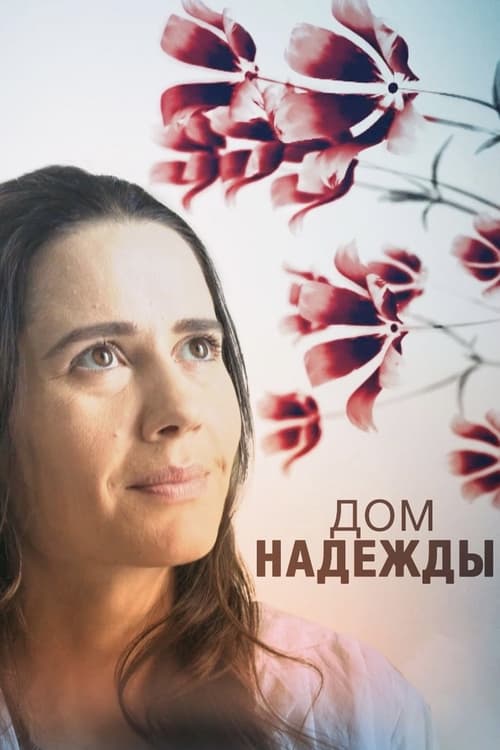



What is the ending?
In the ending of the TV show Одиночество, the main characters confront their personal struggles and relationships. The story culminates in a series of emotional revelations and decisions that lead to a sense of closure for some, while others face unresolved issues. The protagonist, grappling with loneliness, finds a moment of connection, but the journey leaves lingering questions about the nature of solitude and human connection.
As the final episode unfolds, we see the protagonist, Alexei, sitting alone in a dimly lit room, surrounded by remnants of his past. The camera pans slowly, capturing the shadows that dance across the walls, symbolizing the weight of his solitude. He reflects on his life choices, the relationships he has lost, and the friends who have drifted away. The atmosphere is heavy with a sense of longing and regret.
In a flashback, we see Alexei with his closest friend, Mikhail, during happier times. They laugh and share dreams, but the scene quickly shifts back to the present, where Alexei's smile fades. The contrast highlights the depth of his loneliness. He picks up his phone, hesitating before scrolling through his contacts, ultimately deciding not to reach out to anyone.
Meanwhile, Mikhail is shown in his own apartment, staring at a photograph of the two of them. He is also grappling with feelings of isolation, despite being surrounded by people. The camera captures his internal struggle as he debates whether to call Alexei. The tension builds as he finally picks up the phone, but just as he is about to dial, he puts it down, overwhelmed by his own fears of rejection.
In another scene, we see Anna, a woman who has been a significant part of Alexei's life. She is at a café, looking out the window, lost in thought. Her expression is one of sadness and contemplation. She recalls moments shared with Alexei, and the camera zooms in on her face, revealing the depth of her emotions. She decides to leave the café, stepping out into the bustling street, but she feels disconnected from the world around her.
The climax of the episode occurs when Alexei, in a moment of desperation, decides to attend a gathering where he knows Mikhail and Anna will be. The scene is filled with anticipation as he enters the room, the noise of laughter and conversation washing over him. He stands at the entrance, feeling the weight of his solitude amidst the crowd. The camera captures his hesitation, the internal battle between wanting to connect and the fear of being vulnerable.
As the night progresses, Alexei finally approaches Mikhail and Anna. The three share an awkward moment, filled with unspoken words and unresolved feelings. The tension is palpable, and the audience can feel the emotional stakes rising. Mikhail finally breaks the silence, expressing his own struggles with loneliness, which prompts a heartfelt conversation among the three. They begin to share their experiences, revealing their vulnerabilities and the pain of isolation they have all felt.
In the final moments, the trio stands together, a sense of understanding and connection forming between them. The camera pulls back, showing them in a tight circle, symbolizing their newfound bond. However, as the scene fades to black, the lingering question remains: can they truly overcome their loneliness, or will it continue to haunt them?
The series concludes with a poignant reminder of the complexities of human relationships and the ongoing battle against solitude. Each character leaves the scene with a sense of hope, but also an awareness of the challenges that lie ahead. Alexei, Mikhail, and Anna may have found a moment of connection, but the journey of navigating their emotions and relationships is far from over.
Is there a post-credit scene?
The TV show Одиночество, produced in 2017, does not feature a post-credit scene. The series concludes its narrative without any additional scenes after the credits, focusing instead on the emotional resolution of the characters' arcs throughout the episodes. The final moments of the show encapsulate the themes of loneliness and connection, leaving viewers with a poignant sense of closure as the characters reflect on their journeys.
What are the main character's motivations throughout the series?
The main character, a young woman named Alina, is driven by her desire for connection and understanding in a world that often feels isolating. Her journey reflects her struggle with loneliness and her quest for meaningful relationships, which leads her to make choices that often put her at odds with her own values.
How does Alina's relationship with her family evolve during the series?
Alina's relationship with her family is strained at the beginning of the series, as she feels misunderstood and disconnected from them. As the story progresses, moments of vulnerability and shared experiences lead to a gradual reconciliation, highlighting the complexities of familial love and the impact of personal struggles on those bonds.
What role does the setting play in Alina's emotional journey?
The setting, a bustling urban environment contrasted with quiet, intimate spaces, serves as a backdrop to Alina's internal conflict. The city represents both the chaos of modern life and the isolation she feels, while the quieter moments in parks or cafes provide her with a sense of refuge and reflection, emphasizing her emotional turmoil.
How do Alina's friendships influence her character development?
Alina's friendships are pivotal to her character development. Initially, she surrounds herself with superficial connections, but as she navigates her loneliness, she seeks deeper, more authentic relationships. These friendships challenge her perceptions of herself and others, ultimately leading her to confront her fears and insecurities.
What significant events lead to Alina's turning points in the series?
Several significant events act as turning points for Alina, including a betrayal by a close friend that forces her to reevaluate her trust in others, and a chance encounter with a stranger that opens her eyes to the possibility of genuine connection. These moments catalyze her growth and push her towards a more authentic existence.
Is this family friendly?
The TV show Одиночество, produced in 2017, contains several themes and scenes that may not be suitable for children or sensitive viewers. Here are some potentially objectionable aspects:
-
Emotional Turmoil: The series delves deeply into themes of loneliness, depression, and existential crises, which may be distressing for younger audiences or those sensitive to mental health issues.
-
Intense Relationships: There are scenes depicting complex and sometimes tumultuous relationships, including arguments and emotional confrontations that could be upsetting.
-
Substance Use: The show includes instances of characters engaging in substance use, which may not be appropriate for younger viewers.
-
Dark Themes: The narrative explores darker aspects of human experience, including isolation and despair, which could be heavy for children or sensitive individuals.
-
Mature Language: The dialogue may include strong language or adult themes that are not suitable for a younger audience.
These elements contribute to a tone that is more suited for mature viewers, making it less family-friendly overall.