




















Popular
What motivates the character of Batu in The Golden Horde?
How does the relationship between Batu and his brother influence the plot?
What role does the character of Khatun play in Batu's journey?
What are the key events that lead to the conflict between Batu and the rival factions?
How does the setting of the Mongol Empire influence the characters' decisions?
Should I watch it?
Ask Your Own Question

What is the plot?
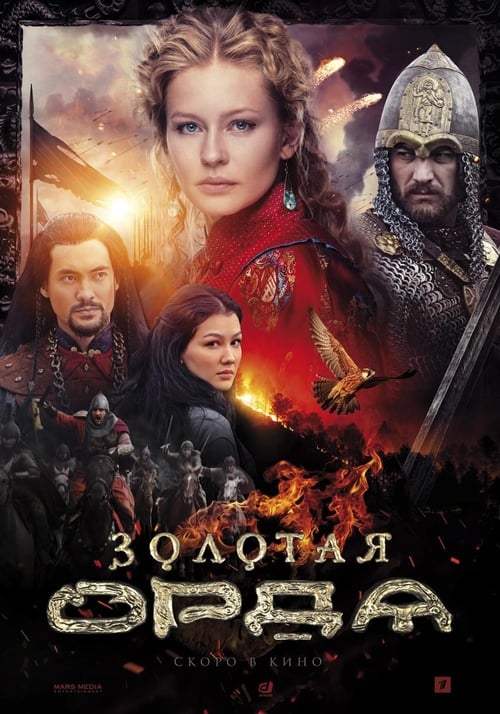
In the year 1223, the story begins with the Mongol Empire expanding its territory under the leadership of Genghis Khan. The narrative introduces a group of warriors from the Golden Horde, who are tasked with conquering new lands. The audience is introduced to the main character, a young warrior named Batu, who is eager to prove himself in battle. He is shown training rigorously, displaying both skill and determination, while also grappling with the weight of his family's legacy.
As the Golden Horde approaches a small Russian principality, the local prince, Yuri, learns of their impending invasion. He gathers his advisors and prepares his people for the worst, showcasing his fear and desperation. Yuri's internal conflict is palpable as he struggles between the desire to protect his people and the realization that resistance may be futile against the Mongol forces.
The Mongol army, led by Batu, launches a surprise attack on the principality. The scene is chaotic, filled with the sounds of clashing swords and the cries of the wounded. Batu fights fiercely, showcasing his combat skills as he leads his men into battle. The defenders, despite their bravery, are overwhelmed by the sheer numbers and ferocity of the Mongol warriors. The battle culminates in a brutal confrontation between Batu and Yuri, where Batu ultimately defeats Yuri, solidifying his position within the Horde.
After the conquest, Batu is faced with the moral implications of his actions. He witnesses the suffering of the captured townspeople and begins to question the brutality of the Mongol way. This internal struggle is highlighted in a scene where he encounters a young girl who has lost her family, stirring feelings of guilt and compassion within him. Batu's character begins to evolve as he grapples with the consequences of his loyalty to the Horde.
As the story progresses, Batu is sent on a mission to negotiate with other Russian princes. During this journey, he meets a fierce warrior woman named Anna, who is determined to protect her homeland. Their initial encounter is tense, filled with hostility, but as they are forced to work together against a common enemy, a reluctant alliance forms. The chemistry between them grows, revealing layers of vulnerability and strength in both characters.
Meanwhile, the political landscape shifts as other princes begin to unite against the Mongol threat. Yuri's death becomes a rallying point for resistance, and the princes plot to reclaim their lands. Batu, caught between his loyalty to the Horde and his growing feelings for Anna, faces a pivotal decision. He must choose whether to continue his path of conquest or to aid the resistance in their fight for freedom.
In a climactic battle, the united Russian forces confront the Mongols. The scene is filled with tension as both sides prepare for the inevitable clash. Batu, now conflicted, fights alongside his fellow Mongols but hesitates when he sees Anna on the battlefield. In a moment of clarity, he decides to turn against his own people, aiding Anna and the resistance fighters. This act of defiance leads to a fierce confrontation between Batu and his former comrades.
The battle is intense, with both sides suffering heavy losses. Batu and Anna fight valiantly, showcasing their skills and determination. In a pivotal moment, Batu confronts the Mongol leader, leading to a dramatic showdown. The fight is brutal, filled with emotional stakes as Batu fights not just for survival, but for redemption. Ultimately, Batu defeats the leader, but at a great cost, as he is gravely injured in the process.
In the aftermath of the battle, the surviving Russian princes begin to rebuild their lands. Batu, now a changed man, is left to grapple with the consequences of his choices. He and Anna share a moment of connection, acknowledging the bond they formed through their struggles. However, Batu understands that he cannot stay, as he has betrayed his people and must face the repercussions of his actions.
The series concludes with Batu leaving the principality, setting off on a journey of self-discovery. He reflects on his past and the choices that led him to this point, hinting at a future where he seeks to find a new purpose beyond the violence of the Golden Horde. The final scene captures Batu walking away from the ruins of the battlefield, symbolizing his quest for redemption and a new beginning.







What is the ending?
In the ending of "The Golden Horde," the main characters face the culmination of their struggles against the backdrop of a war-torn landscape. The conflict reaches a peak as alliances are tested, and sacrifices are made. The fates of the characters are sealed in a series of intense confrontations, leading to a resolution that reflects the harsh realities of their world.
As the final episodes unfold, we see the characters grappling with their choices and the consequences of their actions. The protagonist, who has been on a journey of self-discovery and leadership, must confront the ultimate betrayal from within their ranks. The emotional weight of loss and the burden of leadership become palpable as they navigate the treacherous waters of loyalty and ambition.
In the climactic scenes, the protagonist faces off against their main adversary in a battle that symbolizes the larger conflict at play. The stakes are high, and the tension is thick as the characters fight not just for survival, but for their ideals and the future of their people. The resolution brings both victory and tragedy, as some characters find redemption while others meet their demise.
The ending leaves the audience with a sense of the cyclical nature of conflict and the enduring human spirit, even in the face of overwhelming odds.
As the final episodes of "The Golden Horde" unfold, the atmosphere is charged with tension and anticipation. The camera pans over a desolate battlefield, littered with remnants of past conflicts. The protagonist, a determined leader, stands at the forefront, their face etched with resolve and weariness. They have gathered their loyal followers, each one bearing the scars of their journey, both physical and emotional.
Scene 1: The Betrayal The protagonist receives news of a betrayal from within their ranks. A trusted ally has aligned with the enemy, seeking power for themselves. The protagonist's heart sinks as they realize the implications of this treachery. The scene is heavy with silence, punctuated only by the distant sounds of war. The protagonist's internal struggle is evident; they must decide whether to confront the traitor or focus on the larger battle ahead.
Scene 2: The Gathering Storm As the protagonist rallies their remaining allies, the camera captures the diverse emotions on their faces--fear, determination, and a flicker of hope. They share a moment of camaraderie, reminding each other of their shared purpose. The protagonist speaks passionately about their vision for a united future, igniting a spark of resolve in their followers. The scene is filled with close-ups of their faces, reflecting the weight of their choices.
Scene 3: The Confrontation The climactic battle begins, and the protagonist faces off against their main adversary, the embodiment of their struggles. The two engage in a fierce duel, each blow resonating with the weight of their conflicting ideologies. The choreography of the fight is intense, with quick cuts between the combatants and the chaos of the surrounding battle. The protagonist's determination is palpable, fueled by the memories of those they have lost along the way.
Scene 4: The Sacrifice In a moment of desperation, the protagonist makes a critical decision to save their people, sacrificing their own safety. The camera captures the anguish on their face as they realize the cost of leadership. The scene shifts to their allies, who witness the sacrifice and are inspired to fight harder. The emotional stakes are high, and the audience feels the gravity of the moment.
Scene 5: The Aftermath As the dust settles, the battlefield is eerily quiet. The protagonist stands amidst the ruins, their heart heavy with loss. They look around at the faces of their surviving allies, each one marked by the battle. Some have found redemption, while others have fallen. The protagonist reflects on the journey they have taken, the sacrifices made, and the uncertain future that lies ahead.
Scene 6: The Resolution In the final moments, the protagonist addresses their remaining followers, vowing to honor those who have fallen and to continue the fight for a better future. The camera pulls back, revealing the vast landscape before them, symbolizing both the challenges ahead and the hope that remains. The series concludes with a sense of bittersweet resolution, leaving the audience to ponder the complexities of loyalty, sacrifice, and the enduring human spirit in the face of adversity.
Is there a post-credit scene?
The Golden Horde, produced in 2018, does not feature a post-credit scene. The series concludes its narrative without any additional scenes after the credits roll. The focus remains on the main storyline and character arcs throughout the episodes, wrapping up the plot without extending into a post-credit sequence.
What motivates the character of Batu in The Golden Horde?
Batu, a key character in The Golden Horde, is driven by a complex mix of ambition, loyalty, and the desire for power. As a leader of the Mongol forces, he is deeply motivated by the need to expand his territory and solidify his family's legacy. His internal struggles often reflect the weight of his responsibilities, as he grapples with the expectations of his lineage and the harsh realities of warfare. Throughout the series, viewers witness his emotional turmoil as he balances his ruthless ambition with moments of vulnerability, particularly in his relationships with his family and allies.
How does the relationship between Batu and his brother influence the plot?
The relationship between Batu and his brother is pivotal to the narrative of The Golden Horde. Their bond is tested by the pressures of leadership and the competing desires for power. Batu's brother often represents a contrasting ideology, advocating for peace and diplomacy, while Batu leans towards aggression and conquest. This tension creates a dramatic conflict that propels the plot forward, as their differing views lead to significant decisions that impact their family and the fate of their people. The emotional stakes are high, as both brothers must navigate their loyalty to each other against their ambitions, leading to moments of betrayal and reconciliation.
What role does the character of Khatun play in Batu's journey?
Khatun serves as a crucial figure in Batu's journey, embodying both a source of strength and a catalyst for his internal conflict. As a strong-willed woman with her own ambitions, she challenges Batu's views on leadership and power. Their relationship is marked by deep emotional connections, yet fraught with tension as Khatun often pushes Batu to reconsider his violent methods. Her influence leads him to moments of introspection, forcing him to confront the moral implications of his actions. Khatun's presence in the story not only enriches Batu's character development but also highlights the role of women in a patriarchal society, making her a vital part of the narrative.
What are the key events that lead to the conflict between Batu and the rival factions?
The conflict between Batu and the rival factions escalates through a series of key events that are intricately woven into the plot of The Golden Horde. Initially, tensions rise due to territorial disputes and the encroachment of rival clans on Batu's lands. A pivotal moment occurs when a diplomatic meeting intended to broker peace devolves into violence, igniting hostilities. This event serves as a catalyst for Batu's aggressive military campaigns, as he seeks to assert dominance and retaliate against perceived betrayals. The emotional stakes are heightened as personal losses and betrayals within his ranks further fuel his desire for vengeance, leading to a full-scale war that defines the series.
How does the setting of the Mongol Empire influence the characters' decisions?
The setting of the Mongol Empire plays a significant role in shaping the characters' decisions and motivations in The Golden Horde. The vast, harsh landscapes of the steppes create a backdrop of survival and conquest, influencing the characters' actions and strategies. The nomadic lifestyle necessitates a focus on mobility and adaptability, which is reflected in Batu's military tactics. Additionally, the cultural and political dynamics of the empire, including the traditions of loyalty and honor, weigh heavily on the characters' choices. The constant threat of rival factions and the need to maintain power lead to a climate of paranoia and mistrust, driving characters to make difficult decisions that often blur the lines between right and wrong.
Is this family friendly?
"The Golden Horde," produced in 2018, is a historical drama that delves into the tumultuous period of the Mongol invasion and its impact on the lives of various characters. While the show offers a rich narrative and complex character development, it does contain several elements that may not be suitable for children or sensitive viewers.
-
Violence and Warfare: The series depicts battles and skirmishes, showcasing the brutality of war. Scenes may include graphic depictions of combat, injuries, and death, which could be distressing.
-
Death and Loss: Characters experience significant loss, including the death of loved ones. The emotional weight of these moments can be heavy and may evoke strong feelings of grief.
-
Moral Ambiguity: The characters often face difficult moral choices, leading to actions that may be considered ruthless or unethical. This complexity can be challenging for younger viewers to understand.
-
Themes of Betrayal and Deceit: The narrative includes elements of betrayal among characters, which can create a tense atmosphere and may be unsettling for some.
-
Cultural and Historical Context: The show explores themes of conquest and subjugation, which may raise questions about historical injustices that could be sensitive for some audiences.
Overall, while "The Golden Horde" offers a compelling story, its mature themes and intense scenes may not be appropriate for a family-friendly viewing experience.









