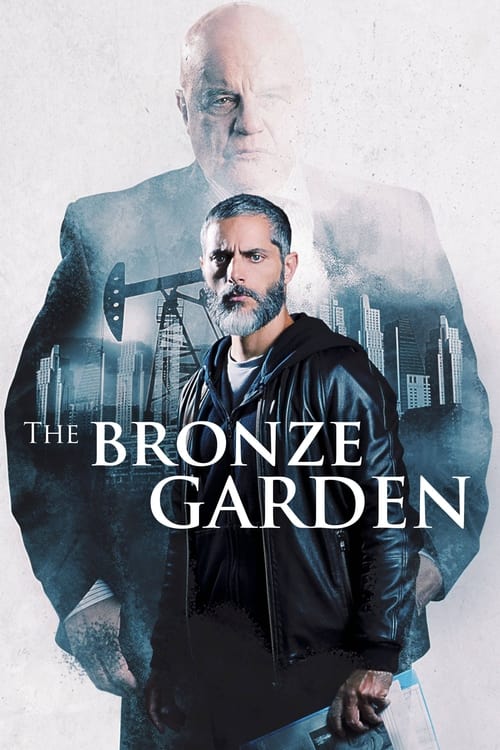










Popular
What is the significance of the bronze garden in the story?
How does the relationship between the main character and her father evolve throughout the series?
What role does the character of the gardener play in the protagonist's development?
What are the key events that lead to the protagonist's discovery of her family's dark secrets?
How does the theme of memory influence the character dynamics in the series?
Should I watch it?
Ask Your Own Question

What is the plot?
In the small town of La Cumbre, a young girl named Mía is kidnapped, sending shockwaves through the community. Her mother, a single parent named Laura, is devastated and desperate to find her daughter. The police launch an investigation, but leads are scarce. Laura's emotional turmoil is palpable as she navigates the fear and uncertainty of her daughter's fate, clinging to hope while grappling with the reality of the situation.
As the investigation unfolds, Laura becomes increasingly involved, often clashing with the police over their methods. She feels a deep sense of urgency and frustration, believing that they are not doing enough to find Mía. This leads her to take matters into her own hands, seeking out potential witnesses and gathering information from the townspeople. Her determination is fueled by her love for Mía, and she becomes a relentless force in the search.
Meanwhile, the narrative introduces a mysterious figure, a man named Nicolás, who has a complicated past and a connection to the town. He is portrayed as a loner, often seen lurking in the shadows. His motivations are unclear, but there are hints that he may know more about Mía's disappearance than he lets on. The tension builds as Laura begins to suspect that Nicolás might be involved in her daughter's kidnapping.
As Laura continues her investigation, she discovers a series of clues that lead her to a hidden part of the town, where she uncovers a network of individuals who may be connected to Mía's abduction. This discovery heightens the stakes, as Laura realizes that there are darker forces at play. She confronts several townspeople, each revealing fragments of information that piece together a larger, more sinister picture.
In a pivotal moment, Laura confronts Nicolás directly, demanding answers about Mía. The confrontation is charged with emotion, as Laura's desperation clashes with Nicolás's guarded demeanor. He reveals that he has been watching the situation unfold and hints at a deeper connection to Mía's kidnapping. This revelation complicates Laura's feelings, as she grapples with the possibility that Nicolás may be both a potential ally and a threat.
As the investigation progresses, Laura receives a cryptic message that leads her to an abandoned building on the outskirts of town. The atmosphere is tense as she enters, her heart racing with fear and hope. Inside, she finds evidence that suggests Mía may have been held there. The scene is fraught with suspense as Laura searches the building, her emotions swinging between dread and determination.
In a shocking twist, Laura discovers a hidden room where she finds Mía's belongings, but no sign of her daughter. This discovery sends Laura into a spiral of despair, but it also ignites a fierce resolve within her. She vows to uncover the truth, no matter the cost. The emotional weight of this moment is heavy, as Laura's hope is shattered but her determination is solidified.
The climax of the story occurs when Laura, armed with newfound information, confronts the individuals she believes are responsible for Mía's kidnapping. The confrontation escalates into a tense standoff, where Laura's bravery is put to the test. She fights to rescue Mía, showcasing her fierce maternal instincts. The scene is chaotic, filled with physical confrontations and emotional stakes as Laura battles against the odds.
In the final moments, Laura's relentless pursuit leads her to a dramatic showdown with the mastermind behind the kidnapping. The confrontation is intense, filled with raw emotion as Laura fights not just for her daughter, but for her own sense of agency and justice. The resolution of this conflict is both cathartic and heartbreaking, as Laura's journey culminates in a powerful moment of truth.
Ultimately, Laura's quest for Mía concludes with a bittersweet resolution. While she is reunited with her daughter, the scars of the experience linger. The emotional aftermath is explored as Laura and Mía navigate their new reality, forever changed by the events that transpired. The story closes on a note of resilience, highlighting the enduring bond between mother and daughter amidst the shadows of their past.








What is the ending?
In the ending of "The Bronze Garden," the story culminates in a tense confrontation that reveals deep-seated emotions and unresolved conflicts among the characters. The main characters face the consequences of their actions, leading to a resolution that leaves them changed, yet still grappling with their pasts.
As the final episodes unfold, we see the protagonist, a determined and resilient woman named "Mara," confront the truth about her family's dark history. The tension builds as she uncovers secrets that have long been buried, leading to a climactic showdown with her estranged father, "Hugo." The emotional stakes are high as Mara seeks closure and understanding, while Hugo struggles with his own guilt and regrets.
In the final scenes, Mara's journey of self-discovery reaches its peak. She stands in the garden that symbolizes both her family's legacy and the weight of their past. The confrontation with Hugo is fraught with emotion, as they exchange painful truths and confront the choices that have shaped their lives. The garden, once a place of beauty, becomes a battleground for their unresolved issues.
Ultimately, Mara finds a sense of empowerment as she asserts her independence and breaks free from the shadows of her family's history. Hugo, on the other hand, is left to grapple with the consequences of his actions, facing the reality of his estrangement from Mara and the impact of his decisions on their lives.
The series concludes with a poignant sense of hope and renewal, as Mara steps into a new chapter of her life, ready to embrace her future while acknowledging the scars of her past. The fate of each character is intertwined with the themes of redemption, forgiveness, and the enduring power of family ties, leaving viewers with a lasting impression of the complexities of human relationships.
As the final episodes of "The Bronze Garden" unfold, the atmosphere is thick with tension and unresolved emotions. The camera pans over the lush, yet hauntingly beautiful garden, a symbol of the family's legacy, as Mara stands at its center, her expression a mix of determination and vulnerability. The sunlight filters through the leaves, casting dappled shadows on her face, highlighting the internal struggle she faces.
Scene 1: The Confrontation Mara approaches her father, Hugo, who is tending to the garden, his hands dirty with soil. The air is heavy with unspoken words as Mara breaks the silence, her voice trembling yet resolute. "We need to talk," she states, her eyes locked onto his. Hugo looks up, surprise etched on his face, but there is a flicker of recognition in his eyes. He knows this moment has been a long time coming.
Scene 2: The Unraveling of Secrets As they begin to speak, the conversation quickly escalates into a heated argument. Mara accuses Hugo of hiding the truth about their family's past, the pain of which has haunted her for years. Hugo, defensive yet remorseful, tries to explain his choices, revealing glimpses of his own struggles and regrets. The camera captures the raw emotion on both their faces, the pain of years of estrangement palpable in the air.
Scene 3: The Emotional Climax The confrontation reaches its peak as Mara demands answers. "Why did you leave us? Why did you let this happen?" Her voice cracks, and tears well in her eyes. Hugo, visibly shaken, finally reveals the truth about the family's dark history, the mistakes he made, and the burden he has carried. The garden, once a place of solace, becomes a battleground for their unresolved issues, the flowers around them wilting under the weight of their words.
Scene 4: The Turning Point In a moment of vulnerability, Mara expresses her desire to break free from the chains of her family's past. "I want to be my own person, not just a reflection of your mistakes," she declares, her voice steady. This declaration marks a turning point for both characters. Hugo, realizing the depth of his daughter's pain, begins to understand the impact of his actions. The camera lingers on his face, capturing the dawning realization that he must let Mara go.
Scene 5: The Resolution As the confrontation winds down, there is a palpable shift in the air. Mara, now empowered, takes a step back, her posture strong and defiant. "I forgive you, but I can't stay in this garden anymore," she states, her voice firm. Hugo, filled with regret, watches as she walks away, the weight of their shared history hanging heavily between them. The garden, once a symbol of their connection, now represents the need for separation and healing.
Scene 6: A New Beginning In the final moments, Mara stands at the edge of the garden, looking back one last time. The sun sets behind her, casting a warm glow over the scene. She takes a deep breath, a mixture of sadness and hope in her heart. As she walks away, the camera captures her silhouette against the vibrant colors of the sunset, symbolizing her journey toward a new beginning.
The series concludes with a sense of bittersweet resolution. Mara's fate is one of empowerment and self-discovery, while Hugo is left to confront the consequences of his past choices. The emotional weight of their confrontation lingers, leaving viewers with a profound understanding of the complexities of family dynamics and the enduring quest for forgiveness and redemption.
Is there a post-credit scene?
The Bronze Garden does not feature a post-credit scene. The series concludes its narrative without any additional scenes after the credits roll, focusing instead on wrapping up the storylines of its main characters. The final moments of the show leave viewers with a sense of resolution regarding the central mysteries and character arcs, emphasizing the emotional journeys of the protagonists rather than teasing future developments.
What is the significance of the bronze garden in the story?
The bronze garden serves as a central symbol in the narrative, representing both the beauty and the decay of the characters' lives. It is a place where secrets are buried and memories linger, reflecting the emotional states of the characters who interact with it. The garden's transformation throughout the series parallels the characters' journeys, particularly that of the protagonist, who grapples with her past and the choices she has made.
How does the relationship between the main character and her father evolve throughout the series?
The relationship between the main character, who is deeply affected by her father's absence, evolves from one of resentment and longing to a more complex understanding of his choices. As she uncovers family secrets and confronts her father's past, she experiences a range of emotions, including anger, betrayal, and ultimately, a sense of forgiveness. This journey is marked by poignant flashbacks that reveal their shared history and the impact of his decisions on her life.
What role does the character of the gardener play in the protagonist's development?
The gardener is a pivotal character who acts as a mentor and confidant to the protagonist. His wisdom and connection to the bronze garden provide her with insights into her own life and choices. Through their interactions, she learns about resilience, the importance of nurturing relationships, and the value of confronting one's past. His presence often evokes a sense of calm and reflection, guiding her through her emotional turmoil.
What are the key events that lead to the protagonist's discovery of her family's dark secrets?
Key events that lead to the protagonist's discovery include a series of mysterious occurrences in the garden, the arrival of an enigmatic stranger, and the unearthing of old letters that hint at her family's hidden history. Each revelation builds tension and propels her deeper into a web of intrigue, forcing her to confront uncomfortable truths about her lineage and the choices that have shaped her identity.
How does the theme of memory influence the character dynamics in the series?
Memory plays a crucial role in shaping character dynamics, as characters grapple with their pasts and the memories that haunt them. The protagonist's selective memories create a barrier between her and her loved ones, leading to misunderstandings and conflict. As she begins to confront these memories, the relationships around her shift, revealing deeper connections and unresolved tensions that drive the narrative forward.
Is this family friendly?
"The Bronze Garden," produced in 2017, is a drama that delves into themes of loss, family dynamics, and the complexities of human relationships. While it is not explicitly categorized as a family-friendly show, it does not contain overtly graphic content. However, there are several aspects that may be objectionable or upsetting for children or sensitive viewers:
-
Themes of Grief and Loss: The show explores deep emotional pain related to the loss of loved ones, which may be distressing for younger audiences or those sensitive to such topics.
-
Family Conflict: There are intense scenes of family disputes and emotional confrontations that can be uncomfortable, showcasing the strain and dysfunction within familial relationships.
-
Depictions of Mental Health Struggles: Characters grapple with mental health issues, which may be portrayed in a raw and realistic manner, potentially triggering for some viewers.
-
Mature Emotional Content: The series includes complex emotional situations that may be difficult for younger viewers to understand, such as betrayal, jealousy, and moral ambiguity.
-
Subtle References to Violence: While not graphic, there are implications of violence and danger that can create a tense atmosphere.
Overall, while "The Bronze Garden" is not filled with explicit content, its emotional depth and mature themes may not be suitable for all audiences, particularly children or those who are sensitive to such issues.