
Popular
What are the key moments that define Ayrton Senna's character in the documentary?
How does the documentary portray Ayrton Senna's relationship with his family?
What role does Ayrton Senna's faith play in the documentary?
What are some of the most memorable races featured in the documentary?
How does the documentary address the impact of Ayrton Senna's death on the sport and his fans?
Should I watch it?
Ask Your Own Question

What is the plot?
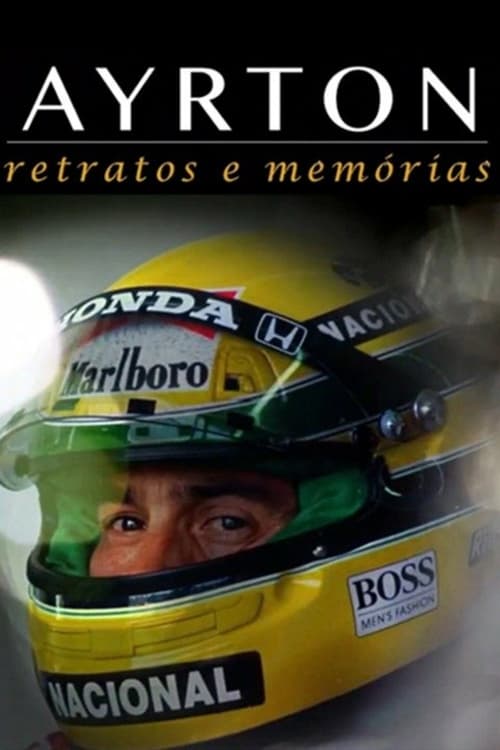
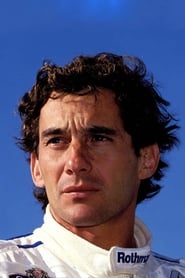
"Ayrton: Retratos e Memórias" is a documentary that chronicles the life and career of the legendary Brazilian Formula One driver Ayrton Senna. The film is structured around a series of interviews, archival footage, and personal reflections from those who knew him, including family, friends, and colleagues.
The documentary opens with a montage of Ayrton Senna's early life, showcasing his childhood in São Paulo, Brazil. It highlights his passion for racing from a young age, as he begins karting at the age of 13. The film features home videos and photographs that capture his early successes and the support of his family, particularly his father, who encouraged his racing ambitions.
As the narrative progresses, the film delves into Senna's rise in the racing world, detailing his move to Europe to compete in Formula Ford and later in Formula 3. Interviews with fellow drivers and team members provide insight into his determination and work ethic. The film emphasizes his relentless pursuit of excellence and his desire to be the best, showcasing key races that marked his ascent in the motorsport hierarchy.
The documentary then transitions to Senna's entry into Formula One with the Toleman team in 1984. It recounts his impressive performance at the Monaco Grand Prix, where he showcased his exceptional driving skills in challenging weather conditions, finishing second despite starting from a lower position. This race is depicted as a turning point that caught the attention of major teams.
Following this, the film details Senna's move to the McLaren team in 1988, where he would achieve significant success. The documentary highlights his fierce rivalry with teammate Alain Prost, illustrating the tension and competition between the two drivers. Key races from the 1988 season are showcased, including Senna's victories and his emotional responses to winning his first World Championship.
As the narrative unfolds, the film explores the darker side of racing, including the dangers involved. It features interviews with other drivers who discuss the risks they faced and the tragic accidents that have occurred in the sport. This section serves to foreshadow the impending tragedy in Senna's life.
The documentary then shifts focus to the 1994 season, detailing the events leading up to the San Marino Grand Prix. It captures the atmosphere of the racing community during this time, including the heightened concerns about safety following the deaths of Ayrton's fellow drivers, Roland Ratzenberger and Ayrton's own tragic accident.
On the day of the San Marino Grand Prix, the film depicts the race's buildup, showcasing the excitement and tension in the paddock. It captures Senna's pre-race thoughts and his determination to win, as well as the concerns expressed by his team regarding safety. The film includes footage of the race itself, leading up to the moment of the crash.
The documentary portrays the harrowing moment when Senna's car crashes into a concrete wall at high speed. The impact is shown in slow motion, emphasizing the severity of the accident. The film then shifts to the aftermath, detailing the immediate response from medical personnel and the frantic efforts to save him. The emotional weight of this moment is palpable, as the film captures the shock and grief of his team and fans.
Following the crash, the documentary explores the global reaction to Senna's death, including tributes from fans, fellow drivers, and the media. It highlights the impact he had on the sport and the legacy he left behind. Interviews with family members and friends reveal their personal grief and the void left by his passing.
The film concludes with reflections on Senna's life, emphasizing his passion for racing, his humanitarian efforts, and his enduring influence on motorsport. It showcases how he is remembered not just as a driver, but as a symbol of excellence and determination. The final scenes include a montage of his greatest moments on the track, set against a backdrop of emotional music, leaving viewers with a sense of both loss and admiration for Ayrton Senna's remarkable life.





What is the ending?
In the ending of "Ayrton: Retratos e Memórias," the documentary culminates in a poignant reflection on Ayrton Senna's legacy. The film closes with a montage of his most memorable moments on the racetrack, interspersed with heartfelt tributes from family, friends, and fans. The emotional weight of his untimely death is felt deeply, as the narrative emphasizes the impact he had on the world of motorsport and the lives he touched.
As the credits roll, viewers are left with a sense of admiration for Ayrton's passion, dedication, and the indelible mark he left on Formula 1 and beyond.
The ending of "Ayrton: Retratos e Memórias" unfolds with a series of reflective scenes that encapsulate the essence of Ayrton Senna's life and career.
Scene 1: The film transitions to a serene montage of Ayrton's most iconic races, showcasing his unparalleled skill behind the wheel. The camera captures the intensity of the racetrack, the roar of engines, and the thrill of victory. Each clip is a testament to his talent, with close-ups of his focused expression as he navigates the curves of the circuit, the sweat glistening on his brow, and the determination in his eyes.
Scene 2: Interspersed with these racing highlights are intimate moments with Ayrton's family and friends. The camera shifts to his mother, who reflects on her son's childhood dreams and the sacrifices made along the way. Her voice trembles with emotion as she recalls the pride she felt watching him achieve his goals, yet there is an underlying sadness as she acknowledges the void left by his passing.
Scene 3: The narrative then moves to interviews with fellow drivers and team members who share their memories of Ayrton. They speak of his fierce competitiveness, his relentless pursuit of perfection, and the camaraderie they experienced both on and off the track. The camaraderie is palpable, with laughter and tears blending as they recount stories of their time together, illustrating the deep bonds formed through shared passion.
Scene 4: The film takes a somber turn as it addresses the tragic accident that claimed Ayrton's life during the 1994 San Marino Grand Prix. The screen darkens momentarily, and the atmosphere shifts to one of reflection and mourning. The impact of his death is felt not only by his loved ones but also by fans around the world. The documentary captures the outpouring of grief, with tributes and memorials springing up in his honor, showcasing the profound influence he had on the sport and its followers.
Scene 5: As the film nears its conclusion, it returns to the theme of legacy. The camera pans over the tributes left at the Interlagos racetrack, where fans gather to celebrate Ayrton's life. The emotional resonance of these scenes is heightened by the soft, reflective music that plays in the background, evoking a sense of nostalgia and reverence.
Scene 6: The final moments of the documentary feature a powerful voiceover from Ayrton himself, taken from past interviews, where he speaks about his love for racing and the importance of following one's passion. The screen fades to black, leaving viewers with a lingering sense of inspiration and a reminder of the enduring spirit of Ayrton Senna.
In the end, the fates of the main characters are intertwined with Ayrton's legacy. His family, particularly his mother, continues to honor his memory, while friends and fellow racers carry forward the lessons learned from his life. The film closes, leaving a lasting impression of Ayrton Senna as not just a champion on the racetrack, but as a beloved figure whose impact transcends the sport itself.
Is there a post-credit scene?
In the documentary series "Ayrton: Retratos e Memórias," there is no post-credit scene. The series focuses on the life and legacy of the legendary Formula 1 driver Ayrton Senna, exploring his career, personal life, and the impact he had on motorsport and his fans. The episodes conclude with reflections on his achievements and the emotional resonance of his story, but they do not include any additional scenes or content after the credits. The series is structured to provide a comprehensive look at Senna's life without the inclusion of traditional post-credit sequences.
What are the key moments that define Ayrton Senna's character in the documentary?
The documentary 'Ayrton: Retratos e Memórias' captures several key moments that define Ayrton Senna's character. One significant moment is his early days in karting, showcasing his relentless drive and passion for racing. The film also highlights his intense rivalry with Alain Prost, particularly during the 1988 and 1989 seasons, which reveals Senna's fierce competitive spirit and determination to win. Another poignant moment is his emotional response to the 1994 San Marino Grand Prix tragedy, which illustrates his deep connection to the sport and the risks involved. These moments collectively paint a picture of a man who was not only a talented driver but also deeply passionate and complex.
How does the documentary portray Ayrton Senna's relationship with his family?
The documentary portrays Ayrton Senna's relationship with his family as deeply affectionate and supportive. It features intimate interviews with his parents, highlighting their pride in his achievements and the sacrifices they made for his racing career. Senna's bond with his sister, Viviane, is also emphasized, showcasing their close relationship and her role in his life. The film captures emotional moments, such as family gatherings and personal anecdotes, which reveal how his family's love and encouragement were pivotal in shaping his character and career.
What role does Ayrton Senna's faith play in the documentary?
Ayrton Senna's faith is a significant theme in the documentary, as it illustrates his spiritual beliefs and how they influenced his life and career. The film includes scenes of Senna praying before races, reflecting his reliance on faith for strength and guidance. Interviews with family and friends reveal that his faith provided him with a sense of purpose and calm amidst the pressures of Formula 1 racing. This aspect of his character adds depth to his persona, showing that he viewed his racing not just as a sport, but as a calling.
What are some of the most memorable races featured in the documentary?
The documentary features several memorable races that highlight Ayrton Senna's extraordinary talent and determination. One of the standout races is the 1988 Monaco Grand Prix, where Senna's skillful driving in challenging conditions led him to victory, showcasing his mastery of the track. Another significant race is the 1990 Japanese Grand Prix, where his intense rivalry with Alain Prost culminated in a dramatic first-lap collision, marking a pivotal moment in their rivalry. The film also revisits the 1991 Brazilian Grand Prix, where Senna won in front of his home crowd, an emotional victory that solidified his status as a national hero.
How does the documentary address the impact of Ayrton Senna's death on the sport and his fans?
The documentary addresses the impact of Ayrton Senna's death during the 1994 San Marino Grand Prix with profound emotional weight. It features interviews with fellow drivers, fans, and family members who express their grief and shock at the loss of such a talented figure in motorsport. The film captures the immediate aftermath of the tragedy, including the changes in safety regulations in Formula 1 that were implemented as a result of his death. It also highlights the outpouring of love and tributes from fans around the world, illustrating how Senna's legacy continues to resonate within the sport and among his admirers.
Is this family friendly?
"Ayrton: Retratos e Memórias" is a documentary that explores the life and legacy of the legendary Formula 1 driver Ayrton Senna. While the film is primarily a tribute to Senna's achievements and his impact on motorsport, it does contain some themes and scenes that may be sensitive for children or those who are particularly sensitive.
-
Tragic Accidents: The documentary discusses the dangers of motorsport, including references to accidents that have occurred in racing. This may be upsetting for younger viewers or those who are sensitive to discussions of injury or death.
-
Emotional Moments: There are scenes that depict the emotional struggles of Senna's family and friends, particularly in relation to his untimely death. These moments can evoke feelings of sadness and loss.
-
Intense Competition: The film portrays the high-pressure environment of Formula 1 racing, which includes intense rivalries and the stress that comes with competing at such a high level. This may be overwhelming for some viewers.
-
Personal Sacrifices: The documentary touches on the personal sacrifices Senna made for his career, which may resonate with themes of ambition and the costs associated with pursuing one's dreams.
Overall, while the film is a celebration of Ayrton Senna's life, it does contain elements that may not be suitable for all children or sensitive viewers.