



Popular
What personal stories are highlighted in the documentary that showcase the experiences of soldiers during the Vietnam War?
How does the documentary portray the impact of the Vietnam War on the families of soldiers?
What role do anti-war protests play in the narrative of the documentary?
Are there any specific battles or events from the Vietnam War that are highlighted in the documentary?
How does the documentary address the legacy of the Vietnam War for veterans?
Should I watch it?
Ask Your Own Question

What is the plot?
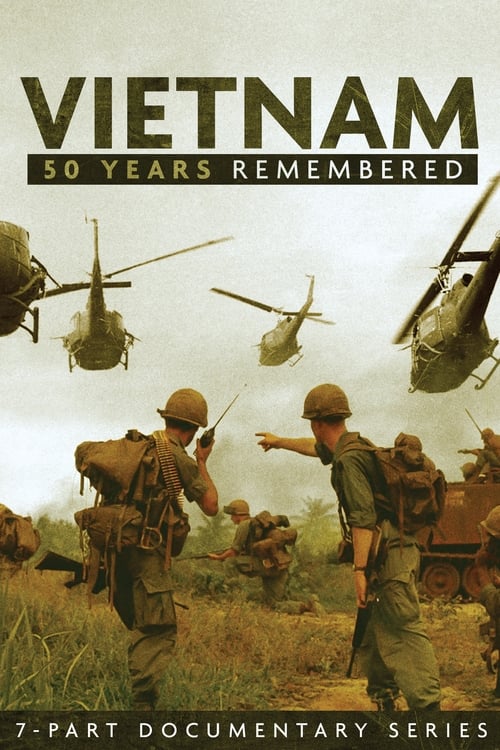
"Vietnam: 50 Years Remembered" is a documentary that chronicles the Vietnam War and its lasting impact on American society and the veterans who fought in it. The film is structured around a series of interviews, archival footage, and personal stories, rather than a traditional narrative with characters and plot points.
The documentary begins by setting the historical context of Vietnam, detailing the country's colonial past and the rise of nationalism. It introduces the viewer to the geopolitical landscape of the 1950s, highlighting the division of Vietnam into North and South and the increasing involvement of the United States in the region.
As the film progresses, it delves into the early stages of American military involvement, showcasing the initial advisory roles of U.S. troops and the growing tensions that lead to a full-scale military engagement. Archival footage of soldiers preparing for deployment and the emotional farewells with their families is presented, emphasizing the personal stakes involved.
The narrative shifts to the escalation of the conflict in the 1960s, marked by significant events such as the Gulf of Tonkin incident. Eyewitness accounts from veterans describe their experiences in combat, the chaos of battle, and the psychological toll of warfare. The film captures the visceral reality of combat through graphic images and personal testimonies, illustrating the fear and uncertainty faced by soldiers on the ground.
As the war intensifies, the documentary highlights key battles, including the Tet Offensive. Veterans recount their experiences during this pivotal moment, detailing the surprise attacks and the subsequent shift in public perception of the war. The emotional weight of these recollections is palpable, as many veterans grapple with feelings of betrayal and confusion regarding their mission.
The film also addresses the anti-war movement that gained momentum in the United States during the late 1960s and early 1970s. It features protests, public demonstrations, and the growing dissent among American citizens. Interviews with activists provide insight into the motivations behind the movement and the impact it had on soldiers returning home.
As the war drags on, the documentary explores the experiences of soldiers dealing with the aftermath of combat. Many veterans share their struggles with PTSD, reintegration into civilian life, and the lack of support from society. The emotional scars of war are depicted through personal stories, highlighting the long-lasting effects of their experiences.
The film culminates in the fall of Saigon in 1975, marking the end of the Vietnam War. The chaotic scenes of the evacuation are shown, with harrowing accounts from those who were left behind and those who managed to escape. The emotional weight of this moment is underscored by the reflections of veterans who witnessed the collapse of the South Vietnamese government.
In the final segments, the documentary shifts focus to the legacy of the Vietnam War. It examines how the conflict has shaped American foreign policy, public perception of the military, and the lives of veterans. Interviews with historians and political analysts provide context for the ongoing discussions about the war's impact on contemporary society.
The film concludes with a poignant reflection on the sacrifices made by those who served and the importance of remembering their stories. The emotional resonance of the documentary leaves viewers with a deeper understanding of the complexities of the Vietnam War and its enduring legacy.








What is the ending?
The ending of "Vietnam: 50 Years Remembered" reflects on the lasting impact of the Vietnam War on both American veterans and Vietnamese citizens. It culminates in a poignant acknowledgment of the sacrifices made and the ongoing struggles faced by those affected by the war. The documentary concludes with a sense of reconciliation and remembrance, emphasizing the importance of understanding history to foster healing.
As the documentary approaches its conclusion, the narrative shifts to a series of reflective scenes. The screen fades in from black, revealing a somber yet hopeful atmosphere. Veterans, now older and often visibly aged by their experiences, gather at memorials and reunions. Their faces tell stories of loss, camaraderie, and the weight of memories that linger long after the conflict has ended.
In one scene, a group of American veterans stands in front of the Vietnam Veterans Memorial in Washington, D.C. The camera captures their expressions as they trace the names of fallen comrades etched into the stone. Each name represents a life cut short, and the emotional weight of this moment is palpable. Tears well up in the eyes of some veterans, while others share quiet conversations, reminiscing about their time in Vietnam and the friends they lost. This scene highlights the deep bonds formed during the war and the enduring pain of loss.
Transitioning to Vietnam, the documentary juxtaposes the American veterans' reflections with the voices of Vietnamese citizens. The camera pans over lush landscapes and bustling streets, contrasting the beauty of the country with the scars left by war. Interviews with Vietnamese survivors reveal their stories of resilience and survival. One elderly woman recounts the day her village was bombed, her voice trembling as she describes the chaos and fear. Her story is interspersed with images of her community rebuilding, symbolizing hope and the strength to move forward despite the past.
As the documentary nears its end, it emphasizes the theme of reconciliation. A scene unfolds where American and Vietnamese veterans meet at a joint memorial service. The atmosphere is charged with emotion as they share their experiences and express mutual respect. Handshakes and embraces signify a bridge being built over decades of animosity. The camera captures the smiles and tears of both sides, illustrating a shared understanding that transcends the horrors of war.
The final moments of the documentary focus on the importance of remembrance. A montage of photographs and footage from the war plays, accompanied by a reflective narration. The screen fills with images of both American and Vietnamese families, showcasing the generational impact of the war. The documentary closes with a powerful message about the necessity of remembering history to prevent the repetition of past mistakes.
In summary, the fates of the main characters--both American veterans and Vietnamese citizens--are intertwined in a narrative of healing and remembrance. The documentary leaves viewers with a sense of hope, emphasizing that while the scars of war may never fully heal, understanding and compassion can pave the way for a better future.
Is there a post-credit scene?
"Vietnam: 50 Years Remembered," produced in 2015, does not contain a post-credit scene. The documentary focuses on the historical context and personal stories surrounding the Vietnam War, featuring interviews, archival footage, and reflections from veterans and civilians affected by the conflict. The program concludes with a poignant summary of the war's impact and legacy, leaving viewers with a sense of reflection rather than a narrative continuation typical of post-credit scenes in fictional works.
What personal stories are highlighted in the documentary that showcase the experiences of soldiers during the Vietnam War?
The documentary features several personal stories, including those of soldiers who served on the front lines, detailing their harrowing experiences in combat, the emotional toll of war, and the camaraderie formed among troops. One poignant story is that of a soldier who recalls the fear and uncertainty of ambushes, while another shares the deep sense of loss after witnessing the death of close friends.
How does the documentary portray the impact of the Vietnam War on the families of soldiers?
The documentary delves into the emotional struggles faced by families of soldiers, showcasing interviews with mothers, wives, and children who recount the anxiety of waiting for their loved ones to return home. One mother shares her heart-wrenching experience of receiving a telegram, while a wife discusses the challenges of coping with her husband's PTSD after his return.
What role do anti-war protests play in the narrative of the documentary?
The documentary captures the rise of anti-war protests, illustrating the growing dissent among the American public. It features footage of large demonstrations, interviews with activists, and the emotional conflict faced by soldiers returning home to a country divided over the war. One protester reflects on the moral imperative to speak out against the war, while a returning soldier grapples with feelings of betrayal from his own country.
Are there any specific battles or events from the Vietnam War that are highlighted in the documentary?
Yes, the documentary highlights key battles such as the Tet Offensive, providing detailed accounts from veterans who participated. Through their narratives, viewers gain insight into the chaos of battle, the strategic significance of these events, and the lasting impact they had on military tactics and public perception of the war.
How does the documentary address the legacy of the Vietnam War for veterans?
The documentary addresses the legacy of the Vietnam War by exploring the long-term effects on veterans, including issues of reintegration into civilian life and the ongoing struggles with mental health. Veterans share their journeys of coping with memories of war, the stigma surrounding their service, and the importance of finding support networks to heal from their experiences.
Is this family friendly?
"Vietnam: 50 Years Remembered" is a documentary that explores the Vietnam War and its lasting impact on individuals and society. While it is an educational piece, it contains several elements that may be objectionable or upsetting for children or sensitive viewers.
-
Graphic War Footage: The documentary includes real footage from the Vietnam War, which may depict violence, injuries, and death, potentially distressing for younger audiences.
-
Personal Testimonies: Veterans and civilians share their harrowing experiences, including trauma, loss, and the emotional toll of war, which can be intense and evoke strong feelings.
-
Historical Context: The documentary discusses the political and social upheaval surrounding the war, including protests and the impact on families, which may be complex and difficult for younger viewers to fully understand.
-
Themes of Loss and Grief: The emotional narratives of those affected by the war, including the loss of loved ones, can be heavy and may resonate deeply with sensitive individuals.
-
Depictions of Suffering: The experiences of both soldiers and civilians highlight the suffering caused by the war, which may be upsetting for some viewers.
Overall, while the documentary serves an important educational purpose, its content may not be suitable for all children or sensitive viewers due to its graphic and emotional nature.









