







Popular
What types of food and drinks does Wakako enjoy throughout the series?
How does Wakako's personality influence her dining experiences?
What is the significance of the locations where Wakako dines?
How does Wakako's relationship with food reflect her personal life?
What role do the supporting characters play in Wakako's dining experiences?
Should I watch it?
Ask Your Own Question

What is the plot?
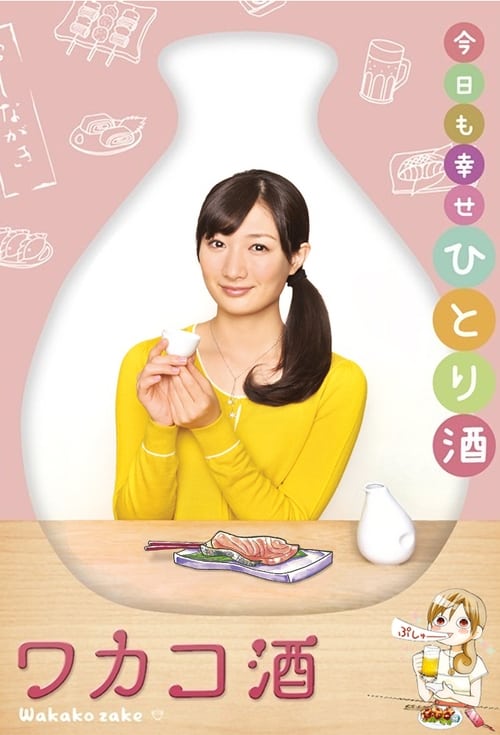
Wakako Zake begins with the introduction of the main character, Wakako, a young woman in her thirties who enjoys exploring various izakayas (Japanese pubs) after work. The series is structured around her culinary adventures, where each episode features a different izakaya and the food and drinks she savors there.
In the first episode, Wakako finishes her workday and heads to a nearby izakaya. She is excited about the prospect of enjoying a delicious meal and a drink. As she enters the izakaya, she is greeted by the warm atmosphere and the enticing aroma of food. She orders a plate of grilled chicken skewers and a glass of sake. As she eats, she reflects on the flavors and textures of the food, expressing her joy and satisfaction through her internal monologue. The scene captures her appreciation for the simple pleasures of life.
In the second episode, Wakako visits a different izakaya known for its unique dishes. She orders a special seafood platter and a glass of shochu. As she tastes the various seafood items, she experiences a range of emotions, from delight to nostalgia, as certain flavors remind her of past experiences. The episode highlights her connection to food and how it evokes memories and feelings.
The third episode sees Wakako exploring a new izakaya that specializes in fried foods. She orders a variety of fried dishes, including tempura and fried chicken. As she indulges in the crispy textures and rich flavors, she becomes lost in her thoughts about the day's events and her life. The episode emphasizes her solitary enjoyment of food and drink, showcasing her ability to find happiness in her own company.
In the fourth episode, Wakako encounters a fellow patron at an izakaya who shares her love for food. They bond over their mutual appreciation for the dishes being served. This interaction adds a layer of social connection to Wakako's culinary journey, as she realizes that food can also bring people together. The episode ends with her feeling a sense of camaraderie, even in her solitary dining experiences.
The fifth episode features Wakako visiting an izakaya that serves a seasonal dish. She orders a bowl of hot pot and a glass of beer. As she enjoys the warmth of the hot pot, she reflects on the changing seasons and how they influence food. The episode captures her contemplative nature, as she finds deeper meaning in the act of eating and drinking.
In the sixth episode, Wakako tries a new izakaya that offers a fusion of traditional and modern dishes. She orders a creative cocktail and a plate of innovative appetizers. The flavors surprise her, and she appreciates the chef's creativity. This episode highlights her adventurous spirit and willingness to explore new culinary experiences.
The seventh episode takes a more introspective turn as Wakako visits an izakaya that reminds her of her childhood. She orders a nostalgic dish that brings back memories of family gatherings. As she eats, she reflects on her past and the importance of family in her life. The emotional weight of the episode adds depth to her character, showcasing her vulnerability.
In the eighth episode, Wakako faces a dilemma when she discovers that her favorite izakaya is closing down. She decides to visit one last time to savor her beloved dishes. The episode is filled with a sense of urgency and nostalgia as she reminisces about her experiences there. She orders her favorite meal and drinks, savoring each bite with a heavy heart. The episode concludes with her promising to cherish the memories made at the izakaya.
The ninth episode features Wakako exploring a new izakaya that specializes in vegetarian dishes. Initially hesitant, she decides to give it a try. As she tastes the various plant-based offerings, she discovers new flavors and textures that surprise her. This episode showcases her openness to change and her ability to adapt her culinary preferences.
In the final episode of the season, Wakako reflects on her journey through the various izakayas she has visited. She contemplates the connections she has made, both with food and with the people she has encountered along the way. The episode culminates in a visit to a new izakaya that she has been eager to try. As she enjoys her meal, she feels a sense of fulfillment and contentment, embracing her love for food and the experiences it brings. The season ends on a hopeful note, with Wakako looking forward to more culinary adventures in the future.









What is the ending?
In the final episode of "Wakako Zake," Wakako visits a new izakaya, where she enjoys a delicious meal and reflects on her experiences. The episode concludes with her savoring the moment, emphasizing her love for food and drink.
As the episode unfolds, we find Wakako walking through the streets of Tokyo, her eyes scanning the various izakayas that line the bustling streets. The evening air is filled with the sounds of laughter and clinking glasses, creating a warm and inviting atmosphere. She is in search of a new culinary experience, her heart set on discovering a place that will satisfy her cravings.
Upon entering the izakaya, she is greeted by the friendly staff, who guide her to a cozy corner table. The ambiance is intimate, with soft lighting and traditional decor that makes her feel at home. Wakako takes a moment to appreciate the menu, her excitement palpable as she contemplates the various dishes available. Her internal monologue reveals her anticipation and the joy she derives from exploring new flavors.
As she orders her meal, the camera captures her expressions of delight and satisfaction as each dish arrives. The first is a beautifully presented sashimi platter, the colors vibrant and inviting. She takes her time, savoring each bite, her eyes closing in bliss as the flavors dance on her palate. The scene is interspersed with close-ups of the food, highlighting the artistry of the presentation and the freshness of the ingredients.
Next, she orders a warm bowl of ramen, the steam rising invitingly. As she takes her first slurp, a smile spreads across her face, and she reflects on how food can evoke memories and emotions. The ramen is rich and comforting, and she feels a sense of contentment wash over her. The izakaya's atmosphere, combined with the delicious food, creates a moment of pure happiness for Wakako.
Throughout the episode, there are brief interactions with the staff and other patrons, showcasing the communal aspect of dining in Japan. Wakako's appreciation for the food is mirrored in the smiles and laughter around her, reinforcing the idea that food brings people together.
As the evening draws to a close, Wakako finishes her meal, her heart full and her spirit lifted. She takes a moment to reflect on her journey, the various izakayas she has visited, and the connections she has made through her love of food. The final scene shows her leaving the izakaya, a satisfied smile on her face, as she walks into the night, ready for her next culinary adventure.
In this ending, Wakako's fate is one of fulfillment and joy, as she continues to embrace her passion for food and the experiences it brings. The episode closes on a note of optimism, highlighting the simple pleasures of life and the importance of savoring each moment.
Is there a post-credit scene?
In "Wakako Zake," Season 1, there are no post-credit scenes. Each episode concludes with Wakako enjoying her food and drink, often reflecting on her experiences and the flavors she encounters. The series focuses on her culinary adventures and the emotions tied to her meals, leaving viewers with a sense of satisfaction and a glimpse into her world without additional scenes after the credits. The format emphasizes the simplicity and enjoyment of food, making the absence of post-credit scenes fitting for the show's overall tone.
What types of food and drinks does Wakako enjoy throughout the series?
Wakako, the main character, is a food enthusiast who enjoys a variety of dishes and drinks. Throughout Season 1, she indulges in items such as sashimi, grilled fish, and various types of sake. Each episode features her exploring different eateries, showcasing her love for both traditional Japanese cuisine and unique local specialties.
How does Wakako's personality influence her dining experiences?
Wakako's personality is characterized by her introspective nature and appreciation for the finer details of food and drink. Her thoughtful observations and emotional responses to the meals she consumes often lead to moments of reflection, allowing viewers to connect with her on a deeper level as she finds joy and solace in her culinary adventures.
What is the significance of the locations where Wakako dines?
The locations where Wakako dines play a crucial role in the narrative, as each setting reflects a different aspect of Japanese culture and cuisine. From small, cozy izakayas to bustling street food stalls, these environments enhance the storytelling by providing a backdrop that complements Wakako's experiences and the flavors she encounters.
How does Wakako's relationship with food reflect her personal life?
Wakako's relationship with food serves as a metaphor for her personal life, illustrating her search for happiness and fulfillment. Each meal she enjoys often parallels her emotional state, revealing her desires, loneliness, and moments of contentment, which adds depth to her character and highlights her journey throughout the series.
What role do the supporting characters play in Wakako's dining experiences?
Supporting characters in Wakako Zake, such as restaurant staff and fellow diners, contribute to her dining experiences by providing different perspectives on food and culture. Their interactions with Wakako often lead to humorous or insightful moments, enriching her culinary journey and showcasing the communal aspect of dining in Japan.
Is this family friendly?
"Wakako Zake" is generally a light-hearted series that revolves around the main character, Wakako, and her love for food and drink. However, there are a few aspects that might be considered objectionable or upsetting for children or sensitive viewers:
-
Alcohol Consumption: The central theme of the show is Wakako's enjoyment of various alcoholic beverages, which may not be suitable for younger audiences. Scenes often depict her drinking in different settings.
-
Adult Themes: While the show is not explicit, it does touch on adult themes related to relationships and social interactions that may not resonate with children.
-
Cultural References: Some cultural nuances and humor may be lost on younger viewers, potentially leading to confusion or misunderstanding.
-
Food Preparation: There are scenes that involve the preparation and consumption of food that may not be appealing to all viewers, particularly those with dietary restrictions or aversions.
Overall, while "Wakako Zake" is not overtly inappropriate, its focus on adult themes and alcohol may make it less suitable for a family-friendly viewing experience.