











Popular
What challenges does the character of Jozef face in Season 4?
How does the relationship between Jozef and his wife evolve throughout Season 4?
What role does the character of the mayor play in the events of Season 4?
How does the village react to the arrival of a new family in Season 4?
What comedic situations arise from the character of the local doctor in Season 4?
Should I watch it?
Ask Your Own Question

What is the plot?
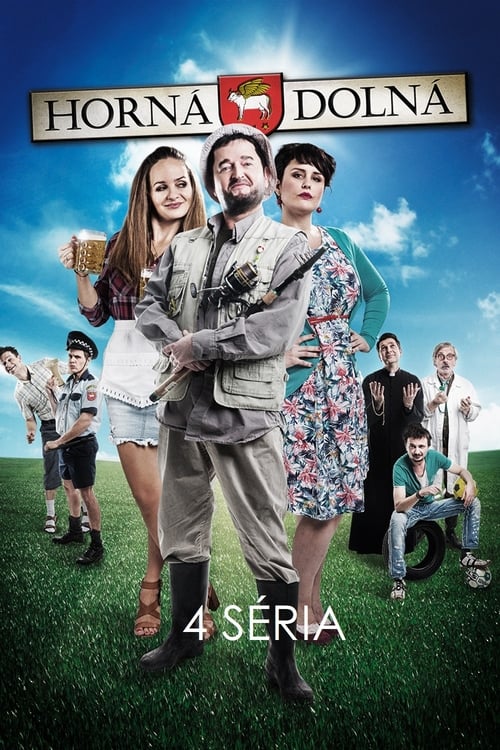
In the opening of Season 4 of Horná Dolná, the residents of the village are dealing with the aftermath of the previous season's events. The local mayor, who is often caught in humorous predicaments, is trying to maintain order while dealing with the eccentricities of the villagers. The season begins with a community meeting where the mayor announces a new initiative to improve the village's infrastructure, which is met with mixed reactions from the townsfolk.
As the plot unfolds, we see the character of Jozef, who is struggling with his feelings for his neighbor, the beautiful and independent Mária. Jozef's internal conflict is palpable as he tries to muster the courage to express his feelings. Meanwhile, Mária is preoccupied with her own ambitions, wanting to start a new business that would bring more tourism to the village. This creates tension between her and Jozef, as he feels sidelined by her aspirations.
In a comedic twist, the village decides to host a festival to attract visitors, and the preparations lead to a series of chaotic events. The villagers are tasked with organizing various activities, but their lack of coordination results in humorous mishaps. For instance, the local baker accidentally bakes too many pastries, leading to a pastry fight that becomes a highlight of the festival preparations.
As the festival approaches, a rival village announces their own event on the same day, prompting the residents of Horná Dolná to step up their game. The mayor, feeling the pressure, enlists the help of the village's quirky characters, including the overly enthusiastic handyman, who takes on the role of event coordinator. His unorthodox methods lead to both hilarious and disastrous outcomes, such as a failed attempt at a tug-of-war that ends with the entire village in a muddy mess.
Amidst the chaos, Jozef finally gathers the courage to confess his feelings to Mária during a quiet moment at the festival. However, she is distracted by her business plans and brushes him off, leaving Jozef heartbroken. This rejection fuels his determination to prove himself, leading him to take on a more active role in the festival's success.
As the festival day arrives, the village is buzzing with excitement, but things quickly spiral out of control. The rival village's event is more popular than anticipated, and the Horná Dolná festival struggles to attract visitors. In a desperate attempt to salvage the day, the mayor makes a last-minute decision to host a surprise concert featuring a local band, which draws in a crowd.
During the concert, tensions rise as the rival village attempts to sabotage the event. A confrontation ensues between the two villages, leading to a comedic showdown filled with misunderstandings and slapstick humor. Jozef, in a moment of bravery, stands up to the rival villagers, rallying his fellow townsfolk to defend their festival.
In the climax of the season, the festival becomes a chaotic but joyous celebration, with both villages ultimately coming together in a spirit of camaraderie. Jozef's bravery earns him respect from Mária, who begins to see him in a new light. The season ends on a hopeful note, with the villagers reflecting on their shared experiences and the bonds that have strengthened through the challenges they faced.
As the credits roll, viewers are left with a sense of anticipation for what lies ahead for the characters, particularly Jozef and Mária, as they navigate their evolving relationship in the quirky and unpredictable world of Horná Dolná.

What is the ending?
In the ending of "Horná Dolná" Season 4, the characters face various personal challenges and conflicts that lead to significant resolutions. The season culminates in a series of events that bring closure to their arcs, with some characters finding happiness while others confront their failures.
As the final episode unfolds, we see the village of Horná Dolná buzzing with activity. The community is preparing for a local festival, which serves as a backdrop for the characters' resolutions.
Scene 1: The festival preparations are in full swing. The townspeople are bustling about, setting up stalls and decorations. Among them is the ever-optimistic Jozef, who is determined to make this festival the best one yet. His enthusiasm is infectious, but it also masks his underlying fears about his relationship with his wife, who has been distant.
Scene 2: Meanwhile, Mária, Jozef's wife, is seen having a heart-to-heart with her friend. She expresses her frustrations about feeling unappreciated and lost in her marriage. This moment of vulnerability highlights her internal struggle and sets the stage for her eventual decision to confront Jozef about their relationship.
Scene 3: As the festival begins, we see various characters interacting. The local troublemaker, Jano, attempts to sabotage the event, driven by his jealousy of Jozef's popularity. However, his plans backfire, leading to a comedic yet poignant moment where he realizes the importance of community and friendship.
Scene 4: The climax of the festival arrives with a talent show. Jozef and Mária perform a duet, which serves as a metaphor for their relationship. Initially, they struggle to harmonize, reflecting their discord. However, as they continue, they begin to find their rhythm, symbolizing their journey toward reconciliation.
Scene 5: After the performance, Mária takes Jozef aside and finally expresses her feelings. They have an emotional conversation where they acknowledge their issues but also reaffirm their love for each other. This moment is pivotal, as it signifies their commitment to work on their marriage.
Scene 6: In a parallel storyline, the village's elder, who has been a source of wisdom throughout the season, gives a heartfelt speech about the importance of community and support. His words resonate with the villagers, reminding them of the bonds they share.
Scene 7: The festival concludes with fireworks, illuminating the night sky. The characters gather together, celebrating not just the event but their renewed connections. Jozef and Mária share a tender moment, while Jano, having learned from his mistakes, is welcomed back into the fold.
In the end, Jozef and Mária's relationship is on a path to healing, Jano finds acceptance, and the village of Horná Dolná emerges stronger than before. Each character has faced their challenges and grown, emphasizing the themes of love, community, and personal growth that resonate throughout the season.
Is there a post-credit scene?
In Season 4 of "Horná Dolná," there is indeed a post-credit scene that adds a humorous twist to the season's conclusion. After the main credits roll, the scene opens with the familiar setting of the village, where the characters are often seen engaging in their quirky antics.
The camera pans to a group of villagers gathered around a makeshift table, where they are discussing the events of the season. The mood is light-hearted, filled with laughter and playful banter. Suddenly, one of the characters, known for his eccentric ideas, proposes a new scheme that involves a bizarre competition to determine who can create the best homemade dish using only the most unusual ingredients found in the village.
As the villagers react with a mix of skepticism and excitement, the scene captures their animated expressions, showcasing their camaraderie and the underlying theme of community spirit that runs throughout the series. The character's enthusiasm is infectious, and despite their initial doubts, they begin to brainstorm ideas, leading to a flurry of suggestions that highlight their unique personalities.
The scene ends with a comedic twist as one of the villagers accidentally spills a pot of strange-looking stew, causing a chain reaction of laughter and chaos among the group. This light-hearted moment encapsulates the essence of "Horná Dolná," leaving viewers with a sense of joy and anticipation for the next season, while also reinforcing the show's focus on the quirky dynamics of village life.
What challenges does the character of Jozef face in Season 4?
In Season 4, Jozef grapples with the pressures of running the village's only grocery store while trying to maintain his relationships with the quirky residents of Horná Dolná. His internal conflict is heightened by the arrival of a new competitor, which forces him to rethink his business strategies and confront his insecurities about his role in the community.
How does the relationship between Jozef and his wife evolve throughout Season 4?
Throughout Season 4, Jozef and his wife, Mária, experience a rollercoaster of emotions. Initially, they face tension due to Jozef's preoccupation with work and his inability to communicate effectively. However, as the season progresses, they confront their issues head-on, leading to heartfelt moments of reconciliation and deeper understanding, showcasing their commitment to each other.
What role does the character of the mayor play in the events of Season 4?
The mayor, known for his eccentric and often misguided decisions, becomes a central figure in Season 4 as he attempts to implement new policies that often backfire. His misguided attempts to modernize the village lead to humorous situations, but they also reveal his underlying desire to be seen as a competent leader, adding depth to his character.
How does the village react to the arrival of a new family in Season 4?
The arrival of a new family in Horná Dolná stirs a mix of curiosity and suspicion among the villagers. Some residents are welcoming, eager to make new friends, while others, particularly the more traditional characters, view the newcomers with skepticism. This dynamic creates tension and comedic situations as the villagers navigate their feelings about change and community.
What comedic situations arise from the character of the local doctor in Season 4?
The local doctor, known for his unorthodox methods and quirky personality, finds himself in a series of comedic predicaments throughout Season 4. His attempts to provide medical advice often lead to misunderstandings and humorous outcomes, particularly when he tries to implement new health initiatives that clash with the villagers' traditional ways, showcasing his struggle to fit into the community.
Is this family friendly?
"Horná Dolná" is a Slovak comedy series that generally maintains a light-hearted tone, but like many shows, it contains elements that may not be suitable for all audiences, particularly children or sensitive viewers.
-
Mature Themes: The series often touches on adult themes such as relationships, infidelity, and social issues that may not be appropriate for younger viewers.
-
Language: There are instances of strong language and crude humor that could be considered offensive or inappropriate for children.
-
Alcohol Consumption: Characters frequently engage in drinking, which is portrayed in a comedic light but may not set a good example for younger audiences.
-
Physical Comedy: Some scenes involve slapstick humor that could be perceived as violent or aggressive, even if intended for comedic effect.
-
Romantic Situations: There are various romantic entanglements and situations that may be confusing or uncomfortable for younger viewers to understand.
-
Social Conflicts: The show includes conflicts between characters that can escalate, showcasing arguments or confrontations that might be distressing for sensitive viewers.
While the series is primarily comedic, these elements may warrant parental discretion when considering it for family viewing.