











Popular
How does the character of the mayor evolve throughout the series?
What are the main conflicts between the characters in Horná Dolná?
What role does humor play in the relationships between the characters?
How do the villagers react to the arrival of new characters in Horná Dolná?
What are some key events that lead to character development in Horná Dolná?
Should I watch it?
Ask Your Own Question

What is the plot?
Horná Dolná opens in a small Slovak village, where the quirky and eccentric residents are introduced. The main character, a local man named Jozef, is depicted as a well-meaning but somewhat hapless individual. He struggles with his relationships, particularly with his overbearing mother, who constantly meddles in his life. The village is characterized by its tight-knit community, where everyone knows each other's business, leading to humorous and awkward situations.
As the story progresses, Jozef's life takes a turn when he becomes infatuated with a new woman in town, a beautiful and mysterious outsider named Mária. Her arrival stirs excitement among the villagers, and Jozef sees this as an opportunity to break free from his mother's control. He decides to pursue Mária, despite the skepticism of his friends and the village gossip.
Jozef's attempts to win Mária's affection are met with a series of comedic failures. He tries to impress her by showcasing his skills, but his efforts often backfire, leading to embarrassing moments. Meanwhile, Mária seems to be intrigued by Jozef's sincerity, but she is also wary of the village's small-town dynamics and the pressure it places on her.
In a pivotal scene, Jozef finally gathers the courage to ask Mária out on a date. He plans a romantic evening, but his mother intervenes, insisting on joining them. This leads to a chaotic dinner where Jozef's mother embarrasses him in front of Mária, causing her to leave in frustration. Jozef is devastated, feeling that he has lost his chance with her.
Determined to make things right, Jozef enlists the help of his friends to win Mária back. They devise a plan to throw a village festival, hoping to create a romantic atmosphere for Jozef to reconnect with her. The festival preparation is filled with humorous mishaps, showcasing the villagers' quirky personalities and their interactions with one another.
On the day of the festival, the village is alive with music, food, and laughter. Jozef finally finds Mária, and they share a heartfelt conversation amidst the festivities. He apologizes for his mother's behavior and expresses his genuine feelings for her. Mária, touched by his sincerity, agrees to give him another chance.
However, just as things seem to be going well, a misunderstanding arises when Mária's past is revealed. It turns out she has a complicated history that she has been trying to escape. This revelation creates tension between her and Jozef, as he grapples with feelings of betrayal and confusion. Mária feels the weight of her past threatening to ruin her new life in the village.
In the climax of the story, Jozef confronts Mária about her past, leading to an emotional confrontation. Mária reveals her fears of being judged by the villagers and her struggle to fit in. Jozef, realizing that he truly cares for her, reassures her that he will stand by her side, regardless of her history. This moment solidifies their bond and allows Mária to open up fully.
The resolution comes as the villagers, witnessing the couple's struggles and growth, begin to accept Mária as one of their own. Jozef's mother, initially resistant, comes to see the happiness her son has found and begins to support their relationship. The village unites in a heartwarming finale, celebrating love and acceptance.
The series concludes with Jozef and Mária looking forward to their future together, symbolizing hope and new beginnings in the quaint village of Horná Dolná. The final scenes capture the essence of community, love, and the importance of embracing one's past while moving forward.

What is the ending?
In the ending of "Horná Dolná," the characters face the consequences of their actions throughout the series. The village's dynamics shift as relationships are tested, and the community comes together to confront their issues. The final scenes depict a resolution of conflicts, with characters finding a sense of closure and understanding.
As the episode unfolds, we see the village bustling with activity. The sun shines brightly over Horná Dolná, casting a warm glow on the familiar streets. The camera pans to the central square, where the villagers gather for a community meeting. Tensions are palpable as the characters, each with their own grievances and misunderstandings, prepare to address the issues that have been simmering throughout the series.
First, we focus on the character of Jozef, who stands at the forefront, visibly anxious yet determined. He takes a deep breath, his hands trembling slightly as he clutches a piece of paper filled with notes. Jozef's internal struggle is evident; he wants to be a leader but fears the backlash from his neighbors. As he begins to speak, his voice wavers, but he quickly gains confidence, addressing the need for unity in the village. The camera captures the mixed expressions of the villagers--some nodding in agreement, while others remain skeptical.
Next, we shift to the character of Mária, who has been a source of conflict throughout the series. She sits in the back, arms crossed, her expression a mix of defiance and curiosity. As Jozef speaks, her internal conflict is clear; she wants to support her community but feels betrayed by past events. When it's her turn to speak, she stands up, her voice strong yet emotional. Mária shares her perspective, recounting moments of hurt and misunderstanding, which resonates with many in the crowd. The camera zooms in on her face, capturing the tears welling in her eyes as she speaks from the heart.
The scene transitions to a montage of villagers reflecting on their relationships. We see scenes of reconciliation: old friends embracing, couples discussing their differences, and children playing together, symbolizing hope for the future. The music swells, enhancing the emotional weight of these moments.
As the meeting concludes, the villagers agree to work together to resolve their issues. Jozef and Mária share a moment of understanding, their previous animosities fading as they realize they both want what's best for Horná Dolná. The camera captures their handshake, a symbol of newfound respect and collaboration.
In the final scenes, we see the village coming together for a celebration. Tables are set up in the square, adorned with food and decorations. Laughter fills the air as the community enjoys each other's company, showcasing the bonds that have been strengthened through their struggles. The camera pans out, revealing the vibrant life of Horná Dolná, a place where differences are acknowledged but ultimately overcome.
The episode closes with a shot of the sun setting over the village, casting a golden hue over the scene. The characters, now united, reflect a sense of hope and resilience. Each main character has found a path forward: Jozef embraces his role as a leader, Mária learns to forgive, and the villagers commit to supporting one another. The screen fades to black, leaving the audience with a sense of closure and the message that community and understanding can triumph over conflict.
Is there a post-credit scene?
In the TV show "Horná Dolná," there is no post-credit scene. The series, which is a Slovak comedy that revolves around the lives of the quirky residents of a small village, typically concludes each episode without additional scenes after the credits. The humor and storylines are wrapped up within the main episodes, focusing on the interactions and misadventures of the characters, leaving no lingering moments or additional content after the credits roll.
How does the character of the mayor evolve throughout the series?
The mayor in Horná Dolná starts as a somewhat corrupt and self-interested figure, often prioritizing his own gain over the community's needs. As the series progresses, he faces various challenges that force him to confront his own shortcomings. His interactions with other villagers, particularly during crises, reveal moments of vulnerability and growth, leading to a more complex portrayal of leadership and responsibility.
What are the main conflicts between the characters in Horná Dolná?
The main conflicts in Horná Dolná often arise from the interactions between the quirky residents of the village. For instance, the rivalry between the mayor, who is often portrayed as self-serving, and the local farmer, who represents traditional values, creates tension. Additionally, the romantic entanglements among characters like the local bartender and the newcomer add layers of personal conflict, showcasing jealousy and misunderstandings.
What role does humor play in the relationships between the characters?
Humor is a central element in Horná Dolná, often serving as a coping mechanism for the characters. The comedic misunderstandings and witty banter between characters like the bartender and the mayor highlight their relationships. For example, the bartender's sarcastic remarks often deflate the mayor's grandiose plans, showcasing a dynamic where humor both bridges and highlights their differences.
How do the villagers react to the arrival of new characters in Horná Dolná?
The arrival of new characters in Horná Dolná often stirs a mix of curiosity and suspicion among the villagers. For instance, when a newcomer arrives, the locals may initially be welcoming but quickly turn to gossip and speculation about their intentions. This reaction reflects the close-knit nature of the community, where outsiders are both intriguing and viewed with caution, leading to humorous and sometimes tense situations.
What are some key events that lead to character development in Horná Dolná?
Key events in Horná Dolná that drive character development include community festivals, local elections, and personal crises. For example, during a village festival, characters confront their insecurities and relationships, leading to revelations about their true feelings. Similarly, a local election brings out the worst in some characters, revealing their ambitions and moral dilemmas, which ultimately shapes their growth throughout the series.
Is this family friendly?
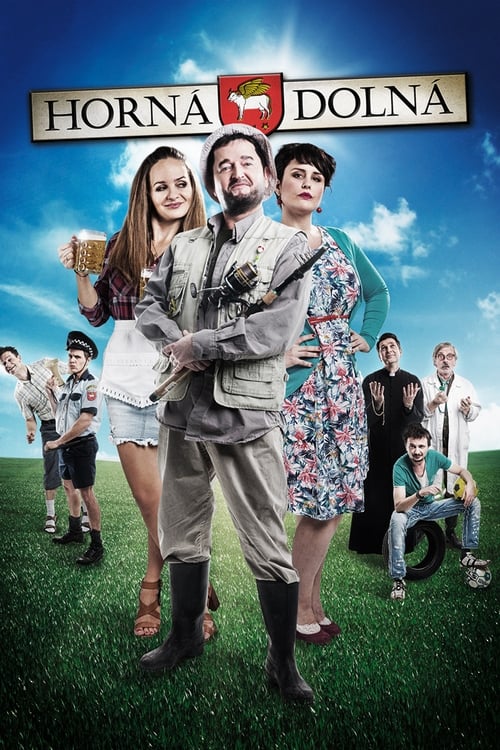
"Horná Dolná," a Slovak television series that premiered in 2015, is primarily a comedy that revolves around the lives of the residents of a small village. While the show is designed to entertain a wide audience, including families, there are some elements that may be considered objectionable or upsetting for children or sensitive viewers.
-
Mature Themes: The series often touches on adult themes such as relationships, infidelity, and social issues that may not be suitable for younger audiences.
-
Language: There are instances of strong language and crude humor that may not be appropriate for children.
-
Alcohol Consumption: Characters frequently engage in drinking, which is portrayed in a comedic light but may not set a positive example for younger viewers.
-
Conflict and Arguments: The show features various conflicts and arguments between characters, which can sometimes escalate and may be distressing for sensitive viewers.
-
Physical Comedy: Some scenes involve slapstick humor that could be perceived as violent or aggressive, even if intended humorously.
Overall, while "Horná Dolná" is a comedic series, parents may want to preview episodes to determine their suitability for younger viewers.