













Popular
What challenges does the character of Jozef face in Season 6?
How does the relationship between Jozef and his wife evolve throughout Season 6?
What role does the character of Jano play in the events of Season 6?
How does the town of Horná Dolná react to the new developments introduced in Season 6?
What significant events occur during the town festival in Season 6?
Should I watch it?
Ask Your Own Question

What is the plot?
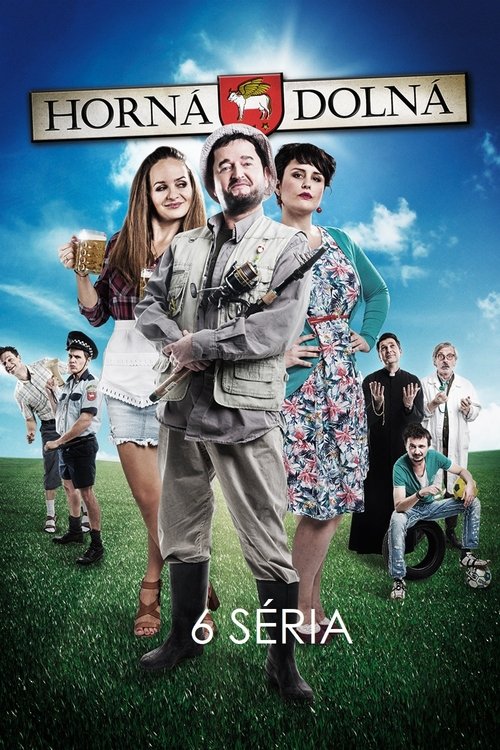
In the opening of Season 6 of Horná Dolná, the residents of the village are buzzing with excitement as they prepare for the annual village festival. The festival is a time for celebration, but underlying tensions begin to surface as various characters have their own agendas. The mayor, who is eager to impress the villagers, plans a grand opening ceremony that he hopes will elevate his status. Meanwhile, the local bar owner, who feels overshadowed by the mayor's ambitions, starts plotting to sabotage the event.
As the festival preparations continue, we see the dynamics between the villagers shift. The mayor's assistant, who is secretly in love with him, struggles with her feelings as she witnesses his interactions with other women. This internal conflict leads her to make impulsive decisions, including confronting the mayor about his lack of attention towards her. Their conversation is charged with emotion, revealing her vulnerability and his obliviousness.
On the day of the festival, the village square is transformed with colorful decorations and stalls. The mayor delivers an enthusiastic speech, but it quickly turns awkward when a technical failure disrupts the sound system. The villagers murmur in disappointment, and the mayor's frustration grows. In a moment of desperation, he tries to salvage the situation by improvising a dance, which inadvertently becomes a comedic highlight of the day.
As the festivities continue, the bar owner executes his plan to undermine the mayor. He spreads rumors about the mayor's incompetence, which begins to sway public opinion. The mayor, sensing the shift, becomes increasingly paranoid and confronts the bar owner, leading to a heated argument. This confrontation escalates into a physical altercation, with both men grappling in front of the shocked villagers. The scene is chaotic, filled with shouts and laughter from onlookers, but it ultimately ends with the mayor being humiliated.
In the aftermath of the fight, the mayor retreats to his office, feeling defeated. His assistant finds him there, and they share a moment of vulnerability. She expresses her support, and he begins to realize the importance of those who truly care for him. This moment of connection reignites his determination to win back the villagers' trust.
As the festival progresses, a series of unexpected events unfold. A local band performs, and their music brings the villagers together, momentarily easing the tension. However, the bar owner, not ready to give up, orchestrates a prank that involves releasing a flock of chickens into the square. The chaos that ensues leads to laughter and distraction, but it also serves to further divide the villagers.
The climax of the season occurs when the mayor decides to confront the bar owner publicly during the festival's closing ceremony. He challenges him to a contest, proposing a series of games that will determine who truly represents the village. The bar owner, confident in his popularity, accepts the challenge. The games are a mix of traditional village activities and humorous tasks, showcasing the strengths and weaknesses of both men.
As the contest unfolds, the villagers are drawn into the excitement, cheering for their favorites. The mayor struggles initially but finds his footing as he taps into the support of his assistant and the villagers who believe in him. The bar owner, while charismatic, begins to falter as the games progress, revealing his insecurities.
In the final game, a tug-of-war, the stakes are high. The mayor rallies the villagers, and they come together to support him. The emotional weight of the moment is palpable as they pull together, symbolizing unity. The mayor's determination shines through, and they ultimately win the contest, leading to a triumphant moment for him and a humbling experience for the bar owner.
The season concludes with the mayor addressing the villagers, expressing gratitude for their support and vowing to work harder for the community. The bar owner, though defeated, acknowledges the mayor's victory and offers a begrudging respect. The villagers celebrate their unity, and the festival ends on a hopeful note, setting the stage for future developments in their relationships and community dynamics.

What is the ending?
In the ending of "Horná Dolná" Season 6, the characters face various personal challenges and resolutions. The season culminates in a series of events that bring closure to their arcs, with some characters finding happiness while others confront their failures.
As the final episode unfolds, we see the village of Horná Dolná bustling with activity. The community is preparing for a local festival, which serves as a backdrop for the characters' resolutions.
Scene 1: The festival preparations are in full swing. The villagers are busy decorating the square, and there is a palpable sense of excitement in the air. Among them, Jozef is seen trying to impress his crush, but his awkwardness leads to humorous mishaps. His internal struggle with confidence is evident as he fumbles with decorations, but he is determined to make a good impression.
Scene 2: Meanwhile, Mária is dealing with her own emotional turmoil. She reflects on her relationship with her estranged father, who has returned to the village. Their reunion is tense, filled with unspoken words and unresolved feelings. Mária's vulnerability shines through as she grapples with the desire for reconciliation while also feeling betrayed by his absence in her life.
Scene 3: As the festival begins, the villagers gather to celebrate. Laco, the village's unofficial leader, takes charge of the festivities, trying to keep the mood light and joyful. However, he is secretly worried about the future of the village and his own role in it. His internal conflict is highlighted as he watches the younger generation, feeling both pride and a sense of loss.
Scene 4: During the festival, a series of comedic events unfold, showcasing the quirky nature of the villagers. Tensions rise when a misunderstanding occurs between two families, leading to a humorous yet chaotic scene. The laughter and camaraderie among the villagers serve as a reminder of their close-knit community, despite their differences.
Scene 5: In a pivotal moment, Mária confronts her father during the festival. The confrontation is raw and emotional, filled with tears and heartfelt confessions. Mária expresses her pain and disappointment, while her father struggles to articulate his regrets. This scene is a turning point for both characters, as they begin to understand each other's perspectives.
Scene 6: As the night falls, the festival culminates in a beautiful fireworks display. The villagers gather to watch, and in this moment of unity, they reflect on their lives and relationships. Jozef finally gathers the courage to approach his crush, leading to a sweet moment of connection. Laco, witnessing the joy around him, finds a renewed sense of purpose and hope for the future of Horná Dolná.
Scene 7: The episode closes with the characters sharing a toast, celebrating not just the festival but their resilience and the bonds they have forged. Each character's journey comes full circle, with Jozef finding confidence, Mária beginning to heal her relationship with her father, and Laco embracing his role as a leader.
In summary, the ending of Season 6 of "Horná Dolná" encapsulates themes of community, reconciliation, and personal growth. Each character faces their challenges head-on, leading to moments of joy, reflection, and hope for the future.
Is there a post-credit scene?
In Season 6 of "Horná Dolná," there is indeed a post-credit scene that adds a humorous twist to the season's conclusion. After the main credits roll, the scene opens with the familiar setting of the village, where the characters are often seen engaging in their daily antics.
The camera pans to a group of villagers gathered around a makeshift table outside the pub, where they are discussing the events of the season. The mood is light-hearted, filled with laughter and playful banter. As they reminisce about the various mishaps and misunderstandings that occurred throughout the season, the camera focuses on the character of Jozef, who is animatedly recounting a particularly embarrassing moment involving a failed attempt at impressing a love interest.
Suddenly, the scene shifts to a close-up of the village's beloved dog, who is seen digging in the dirt nearby. The villagers' laughter fades as they turn their attention to the dog, curious about what it might uncover. With a few more enthusiastic digs, the dog unearths an old, rusty treasure chest. The villagers gasp in unison, their eyes wide with excitement and disbelief.
As they gather around the chest, the scene cuts to black, leaving viewers in suspense about what might be inside. The post-credit scene encapsulates the show's blend of humor and community spirit, while also teasing potential adventures for the characters in future seasons. The light-heartedness of the moment serves as a fitting end to a season filled with ups and downs, leaving fans eager for more.
What challenges does the character of Jozef face in Season 6?
In Season 6, Jozef grapples with the pressures of running the family business while trying to maintain his relationships with his friends and family. He faces financial difficulties that threaten the stability of his shop, leading him to make questionable decisions that strain his moral compass. His internal conflict is palpable as he struggles between his desire for success and the loyalty he feels towards his community.
How does the relationship between Jozef and his wife evolve throughout Season 6?
Throughout Season 6, Jozef's relationship with his wife, Mária, is tested by external pressures and personal insecurities. Mária becomes increasingly frustrated with Jozef's inability to communicate his feelings and his preoccupation with work. Their emotional distance grows, leading to poignant scenes where they confront their issues, revealing vulnerabilities and a longing for connection that they both fear losing.
What role does the character of Jano play in the events of Season 6?
Jano serves as a comedic yet insightful foil to Jozef in Season 6. His carefree attitude and penchant for mischief often lead to humorous situations that lighten the mood, but he also provides critical advice that helps Jozef navigate his challenges. Jano's loyalty to his friends is unwavering, and his character often reflects the theme of friendship amidst adversity, showcasing the importance of support in tough times.
How does the town of Horná Dolná react to the new developments introduced in Season 6?
The town of Horná Dolná is abuzz with gossip and speculation as new developments unfold, particularly regarding Jozef's business struggles and personal life. The community's reactions range from supportive to judgmental, highlighting the close-knit nature of the town. This dynamic creates tension and drama, as characters navigate their relationships with one another, often leading to humorous misunderstandings and heartfelt moments.
What significant events occur during the town festival in Season 6?
The town festival in Season 6 serves as a pivotal backdrop for character interactions and plot developments. It features vibrant decorations, traditional music, and local cuisine, creating a festive atmosphere. However, underlying tensions come to a head during the festival, as Jozef's personal and professional dilemmas culminate in a dramatic confrontation. This event not only showcases the community spirit but also forces characters to confront their feelings and relationships, leading to significant character growth.
Is this family friendly?
"Horná Dolná" is a comedic series that often includes humor and situations that may not be suitable for all audiences, particularly children or sensitive viewers. In Season 6, there are several aspects that could be considered objectionable or upsetting:
-
Mature Themes: The show frequently touches on adult themes, including relationships and social dynamics that may not be appropriate for younger viewers.
-
Language: There are instances of strong language and crude humor that might not be suitable for children.
-
Physical Comedy: Some scenes involve slapstick humor that could be perceived as violent or aggressive, which might be upsetting to sensitive viewers.
-
Social Situations: The portrayal of certain social situations, including misunderstandings and conflicts between characters, may include elements of embarrassment or discomfort.
-
Romantic Situations: There are romantic subplots that may include innuendo or suggestive content that could be inappropriate for younger audiences.
Overall, while "Horná Dolná" is primarily a comedy, its humor and themes may not align with family-friendly viewing for all ages.









