



Popular
What rare footage is featured in Star Trek: Inside the Roddenberry Vault?
Which characters from the original Star Trek series are highlighted in the documentary?
How does the documentary address Gene Roddenberry's vision for Star Trek?
What insights does the documentary provide about the production challenges faced during the original series?
Are there any notable guest appearances or interviews in the documentary?
Should I watch it?
Ask Your Own Question

What is the plot?
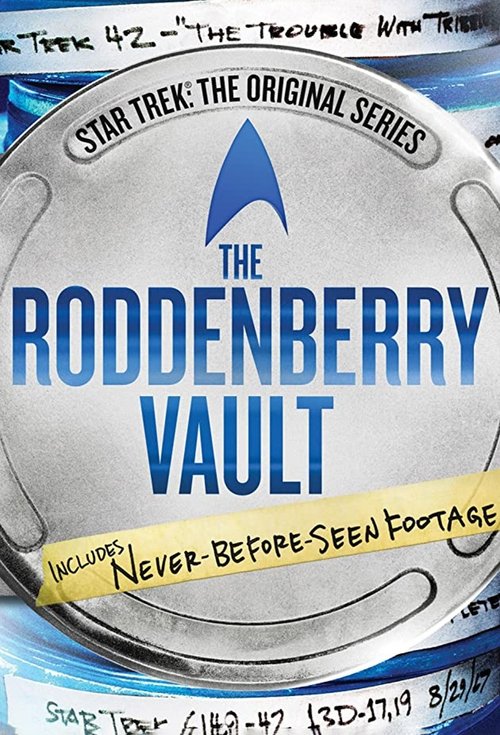
"Star Trek: Inside the Roddenberry Vault" is a documentary that explores the legacy of Gene Roddenberry and the creation of the Star Trek franchise. The film is structured around a series of segments that showcase rare footage, interviews, and artifacts from the Star Trek universe.
The documentary opens with a brief introduction to Gene Roddenberry, highlighting his vision for a hopeful future and the impact of Star Trek on popular culture. It sets the tone for the exploration of the Roddenberry Vault, a collection of materials that includes scripts, production notes, and behind-the-scenes footage.
The first major segment features a tour of the Roddenberry Vault itself. The host, along with various Star Trek experts, delves into the physical space where these treasures are stored. They discuss the significance of the items found within, including original scripts from the original series and concept art that shaped the visual style of Star Trek.
As the documentary progresses, it showcases rare footage from the original series, including deleted scenes and alternate takes. The experts provide commentary on how these moments were intended to enhance character development and storytelling. They analyze specific scenes, discussing the motivations of characters like Captain Kirk, Spock, and Dr. McCoy, and how these moments reflect the themes of exploration and morality that are central to the series.
The film then transitions to a segment focused on the evolution of the Star Trek franchise. It highlights the transition from the original series to the animated series, and then to the various spin-offs, including "The Next Generation," "Deep Space Nine," "Voyager," and "Enterprise." Each series is examined for its unique contributions to the Star Trek legacy, with interviews from cast and crew members who share their experiences working on the shows.
A particularly emotional segment features interviews with actors who played iconic roles, reflecting on their time in the franchise and the impact it had on their lives. They discuss the camaraderie among the cast and the deep connections formed through their shared experiences. This segment is interspersed with clips from various series, showcasing the evolution of characters and story arcs over the years.
The documentary also addresses the challenges faced by the franchise, including cancellation, changes in audience reception, and the struggle to maintain Roddenberry's vision. Experts discuss how the franchise adapted to changing times while trying to stay true to its core values of diversity, inclusion, and exploration.
As the film nears its conclusion, it revisits the legacy of Gene Roddenberry, emphasizing his role as a pioneer in science fiction and television. The final segment features a montage of memorable moments from the franchise, celebrating its enduring impact on fans and popular culture. The documentary ends on a hopeful note, suggesting that the spirit of exploration and the quest for understanding that Roddenberry championed will continue to inspire future generations.









What is the ending?
"Star Trek: Inside the Roddenberry Vault" is a documentary that explores the legacy of Gene Roddenberry and the Star Trek franchise through previously unreleased materials, interviews, and behind-the-scenes footage. As such, it does not have a traditional narrative ending like a scripted film or television show. Instead, it culminates in a celebration of Roddenberry's vision and the impact of Star Trek on popular culture.
In a simple narrative fashion, the documentary concludes by showcasing the enduring influence of Gene Roddenberry's ideals and the Star Trek series. It emphasizes the importance of exploration, diversity, and the pursuit of knowledge, leaving viewers with a sense of hope for the future.
Expanding on this, the documentary unfolds in a series of scenes that highlight various aspects of Roddenberry's work and the Star Trek legacy.
The first scene features a montage of iconic moments from the original Star Trek series, interspersed with interviews from cast members and creators who reflect on their experiences. The emotional weight of nostalgia fills the air as they recount their time on set, the camaraderie they shared, and the groundbreaking nature of the show. Each character's voice resonates with pride and a deep connection to the ideals of exploration and unity that Roddenberry championed.
Transitioning to the next scene, the documentary delves into the vault itself, revealing rare scripts, production notes, and concept art. The camera pans over these artifacts, allowing viewers to appreciate the meticulous planning and creativity that went into the making of Star Trek. The atmosphere is one of reverence, as the significance of these materials is underscored by the commentary of historians and fans who discuss how these elements contributed to the show's legacy.
In a subsequent scene, the documentary shifts focus to the impact of Star Trek on social issues, showcasing how the series addressed topics such as race, gender, and war. Clips from pivotal episodes are shown, and the emotional responses of the cast and crew are palpable as they discuss the risks they took to push boundaries. The scene captures a sense of pride and responsibility, as they acknowledge the role they played in fostering dialogue about important societal issues.
As the documentary nears its conclusion, it features a heartfelt tribute to Gene Roddenberry, with family members and colleagues sharing personal anecdotes. The camera captures their emotional expressions, revealing the profound loss felt by those who knew him. This scene serves as a poignant reminder of Roddenberry's vision and the personal sacrifices made in the pursuit of his dream.
Finally, the documentary wraps up with a montage of fan reactions and celebrations of Star Trek's legacy at conventions and events. The joy and enthusiasm of fans, young and old, reflect the timeless nature of Roddenberry's message. The screen fades to black, leaving viewers with a sense of hope and inspiration, as the ideals of exploration, understanding, and unity continue to resonate in the hearts of many.
In summary, "Star Trek: Inside the Roddenberry Vault" concludes not with a traditional narrative resolution but with a powerful affirmation of Gene Roddenberry's vision and the lasting impact of Star Trek on generations of viewers. The documentary encapsulates the emotional journeys of those involved, celebrating the legacy of a franchise that continues to inspire and challenge societal norms.
Is there a post-credit scene?
"Star Trek: Inside the Roddenberry Vault" does not feature a post-credit scene. The documentary-style series focuses on the exploration of the Roddenberry archives, showcasing rare footage, scripts, and memorabilia from the Star Trek franchise. Each episode delves into different aspects of Gene Roddenberry's vision and the legacy of Star Trek, providing insights and behind-the-scenes stories without the inclusion of traditional post-credit sequences. The format is primarily educational and celebratory, aimed at fans of the series rather than following a narrative structure that would typically include such scenes.
What rare footage is featured in Star Trek: Inside the Roddenberry Vault?
The documentary showcases previously unseen footage from the Star Trek franchise, including behind-the-scenes clips, early concept art, and interviews with cast and crew members. This rare material provides insights into the creative process behind the original series and its legacy.
Which characters from the original Star Trek series are highlighted in the documentary?
The documentary features key characters from the original Star Trek series, including Captain James T. Kirk, Spock, and Dr. Leonard McCoy. Their iconic moments and character development are explored through archival footage and commentary.
How does the documentary address Gene Roddenberry's vision for Star Trek?
Star Trek: Inside the Roddenberry Vault delves into Gene Roddenberry's vision by showcasing his original scripts, notes, and personal reflections. It highlights his aspirations for a hopeful future and the social commentary embedded within the series.
What insights does the documentary provide about the production challenges faced during the original series?
The documentary reveals various production challenges, such as budget constraints, network interference, and the struggle to maintain creative control. It includes anecdotes from cast and crew that illustrate the perseverance required to bring the series to life.
Are there any notable guest appearances or interviews in the documentary?
Yes, the documentary features interviews with notable figures from the Star Trek universe, including actors, writers, and producers who share their experiences and perspectives on the impact of the series and its enduring legacy.
Is this family friendly?
"Star Trek: Inside the Roddenberry Vault" is generally considered family-friendly, as it celebrates the legacy of the Star Trek franchise and its creator, Gene Roddenberry. However, there are a few aspects that might be potentially objectionable or upsetting for children or sensitive viewers:
-
Mature Themes: The documentary discusses complex themes such as death, loss, and the challenges faced by the creators of Star Trek, which may be difficult for younger viewers to fully grasp.
-
Historical Context: Some segments may touch on the struggles and controversies surrounding the production of Star Trek, including issues of discrimination and societal challenges of the time, which could be heavy for sensitive audiences.
-
Emotional Reflections: There are moments of emotional reflection from cast and crew members about their experiences, which may evoke feelings of sadness or nostalgia.
-
Visuals of Unfinished Concepts: Some visuals may include unfinished or discarded concepts that could be unsettling for younger viewers who might not understand the context of creative processes.
Overall, while the content is largely respectful and celebratory, parents may want to preview it to ensure it aligns with their children's sensitivities.









