




Popular
What is the significance of the films in The Man in the High Castle?
How does Juliana Crain's character evolve throughout the series?
What role does John Smith play in the story, and how does his character develop?
What is the relationship between Frank Frink and Juliana Crain?
How does the concept of alternate realities manifest in the series?
Should I watch it?
Ask Your Own Question

What is the plot?
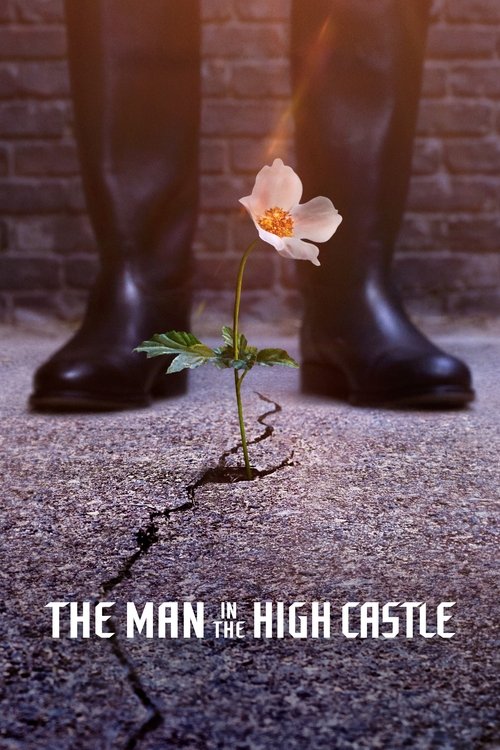
In an alternate history where the Axis powers won World War II, the series begins in 1962 in the Pacific States of America, a Japanese-controlled territory on the West Coast of the United States. The story follows Juliana Crain, who lives in San Francisco. She is drawn into the resistance after her sister, Trudy, is killed by the Kempeitai, the Japanese secret police, for possessing a film that shows a different reality where the Allies won the war. Juliana discovers that Trudy was involved with the resistance and had been trying to deliver the film to the titular "Man in the High Castle," a mysterious figure who distributes these films that depict alternate realities.
Juliana decides to take the film to the Man in the High Castle herself, believing it could inspire others to resist. She travels to the neutral zone, a buffer area between the Japanese and Nazi territories, where she meets Joe Blake, a young man who is secretly a Nazi agent. Joe is charming and persuasive, and he convinces Juliana to travel with him to New York City, where he claims he can help her find the Man in the High Castle.
Meanwhile, in New York, we are introduced to Frank Frink, a Jewish man who is trying to survive under Nazi rule. He is a skilled craftsman and is struggling to keep his business afloat while dealing with the oppressive regime. Frank is also Juliana's former lover, and he is deeply affected by her disappearance. He becomes involved with the resistance after he is arrested for being Jewish and is forced to confront the brutal realities of life under Nazi control.
As Juliana and Joe travel to New York, they encounter various challenges, including a confrontation with the Kempeitai, who are searching for Juliana due to her connection to Trudy. They manage to evade capture, but the tension between them grows as Juliana begins to suspect Joe's true intentions. Joe, on the other hand, is torn between his loyalty to the Nazi regime and his growing feelings for Juliana.
In New York, Frank is drawn into the resistance after he meets a group of rebels who are planning to sabotage the Nazi regime. He becomes increasingly involved in their activities, which puts him at great risk. Frank's character arc is marked by his transformation from a passive survivor to an active participant in the fight against oppression.
As the story unfolds, we learn more about the political landscape of this alternate world. The Nazis are expanding their influence, and the Japanese are struggling to maintain control over their territories. The tension between the two powers is palpable, and both sides are engaged in espionage and manipulation.
Juliana eventually meets the Man in the High Castle, who is revealed to be Hawthorne Abendsen. He explains the significance of the films and their potential to change the course of history. Juliana learns that the films are not just entertainment; they are a means of resistance and a way to inspire hope in a bleak world.
The plot thickens as Joe's true allegiance is revealed. He is ordered to kill Juliana to prevent her from spreading the films, but he hesitates, torn between his duty and his feelings for her. This internal conflict leads to a dramatic confrontation where Juliana must decide whether to trust Joe or escape on her own.
As the series progresses, the characters' paths intertwine, leading to a series of escalating conflicts. Frank's involvement with the resistance leads to a tragic turn of events when he is captured by the Nazis. Juliana, devastated by the loss of her sister and now fearing for Frank's life, becomes more determined to fight back against the oppressive regimes.
The climax of the series occurs when the resistance launches a major operation to disrupt the Nazi regime. This operation involves a series of coordinated attacks, and the stakes are higher than ever. Characters face life-and-death situations, and loyalties are tested as they navigate the treacherous landscape of espionage and betrayal.
In the final episodes, the consequences of the characters' choices come to a head. Juliana must confront the reality of her actions and the impact they have on those around her. The series ends on a cliffhanger, leaving the fate of the characters uncertain and the future of their world hanging in the balance. The themes of resistance, identity, and the struggle for freedom resonate throughout, culminating in a powerful and thought-provoking conclusion.

What is the ending?
In the ending of "The Man in the High Castle," the series culminates in a tense confrontation between the main characters and the oppressive regimes of the Nazi Reich and Imperial Japan. Juliana Crain, having discovered the truth about the films and their power to influence reality, faces a critical choice. Meanwhile, John Smith, the high-ranking Nazi official, grapples with his loyalty to the Reich and the safety of his family. The series concludes with a significant twist involving the multiverse, leaving the fate of the characters and the world they inhabit in a state of uncertainty.
As the final episodes unfold, we see Juliana Crain in a desperate situation. She has been deeply affected by the films that depict alternate realities, and her understanding of the world is challenged. In the penultimate episode, she confronts the implications of the films and their potential to inspire rebellion against the oppressive regimes. Her emotional state is one of determination mixed with fear, as she realizes the stakes of her actions.
In a parallel storyline, John Smith is portrayed as a man torn between his ambition and his love for his family. He is a high-ranking official in the Nazi regime, and his internal conflict intensifies as he faces threats from both the Reich and his own conscience. His wife, Helen, and their children are central to his motivations, and he struggles to protect them while maintaining his position of power. The emotional weight of his choices becomes increasingly heavy as he navigates the treacherous political landscape.
The climax of the series occurs when Juliana and other resistance members attempt to use the films to spark a revolution. They believe that by showing the truth of alternate realities, they can inspire people to rise against their oppressors. The tension escalates as they confront the forces of the Reich, leading to a series of violent confrontations. Juliana's bravery shines through as she risks everything for the cause, embodying the hope for a better future.
In the final moments, the narrative takes a surreal turn. The multiverse concept is fully realized as characters encounter alternate versions of themselves and their realities. This twist serves to highlight the fragility of their existence and the myriad possibilities that lie beyond their current struggles. The series ends with a sense of ambiguity, leaving viewers to ponder the implications of choice, fate, and the nature of reality itself.
As for the fates of the main characters: Juliana Crain's journey leads her to a pivotal moment where she must decide whether to embrace the fight for freedom or succumb to despair. John Smith, faced with the consequences of his actions, must confront the reality of his choices and the impact they have on his family. The series concludes without a definitive resolution for either character, emphasizing the ongoing struggle against tyranny and the complexity of human motivations. The final scenes resonate with the idea that while the fight for a better world is fraught with challenges, the possibility of change remains ever-present.
Is there a post-credit scene?
The TV show "The Man in the High Castle" does not feature post-credit scenes in any of its episodes. Each episode concludes without additional content after the credits roll. The focus remains on the narrative and character development throughout the episodes, with the storylines wrapping up within the main content. If you have any specific episodes or plot points you'd like to discuss, feel free to ask!
What is the significance of the films in The Man in the High Castle?
The films serve as a crucial narrative device, representing alternate realities and the possibility of resistance against the oppressive regimes. They are a source of hope and inspiration for characters like Juliana Crain, who becomes deeply affected by the messages within them.
How does Juliana Crain's character evolve throughout the series?
Juliana starts as a somewhat naive young woman, but as she becomes embroiled in the resistance and learns more about the true nature of her world, she grows into a determined and resourceful fighter. Her journey is marked by personal loss and moral dilemmas, particularly regarding her relationship with Frank Frink and her interactions with Joe Blake.
What role does John Smith play in the story, and how does his character develop?
John Smith is a high-ranking Nazi official whose character embodies the moral complexities of power and loyalty. Initially portrayed as a devoted family man and a staunch supporter of the Reich, his character becomes increasingly conflicted as he grapples with the implications of his actions, particularly regarding his son, who has a genetic condition.
What is the relationship between Frank Frink and Juliana Crain?
Frank and Juliana share a deep emotional connection that evolves from romantic interest to a partnership in resistance. Their relationship is tested by the harsh realities of their world, including betrayal, loss, and the impact of their choices on each other's lives.
How does the concept of alternate realities manifest in the series?
The concept of alternate realities is central to the plot, primarily through the films created by the Man in the High Castle. These films depict a world where the Allies won World War II, challenging the characters' perceptions of their own reality and motivating them to seek change. The existence of these alternate realities raises questions about fate, choice, and the nature of existence.
Is this family friendly?
"The Man in the High Castle" is not considered family-friendly due to its mature themes and content. Here are some potentially objectionable or upsetting aspects that may occur:
-
Violence and Brutality: The series contains graphic depictions of violence, including executions, torture, and combat scenes that can be quite intense and disturbing.
-
Death and Loss: Characters experience significant loss, including the deaths of loved ones, which can evoke strong emotional responses.
-
Oppression and Discrimination: The show explores themes of totalitarianism, racism, and oppression, showcasing the harsh realities faced by various groups under authoritarian regimes.
-
Sexual Content: There are scenes that include sexual situations and nudity, which may not be suitable for younger viewers.
-
Psychological Tension: The atmosphere is often tense and filled with paranoia, as characters navigate a world of espionage and betrayal, which can be unsettling.
-
Mature Themes: The narrative delves into complex themes such as morality, identity, and the consequences of power, which may be difficult for children to understand.
Overall, the series is intended for a mature audience and may not be appropriate for children or sensitive viewers.