
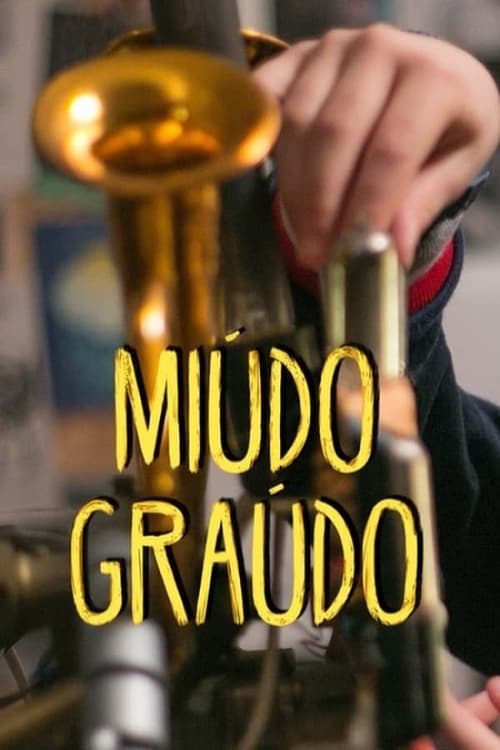











Popular
What challenges does the main character face in his journey of self-discovery?
How does Miguel's relationship with his family evolve throughout the series?
What role do Miguel's friends play in his development?
What specific events trigger Miguel's moments of self-reflection?
How does the setting influence the characters' experiences in Miúdo Graúdo?
Should I watch it?
Ask Your Own Question

What is the plot?
"Miúdo Graúdo" begins with the introduction of the main character, a young boy named Miguel, who is struggling with the challenges of growing up. He feels out of place in his school and is often bullied by his peers. The story opens with Miguel being teased during recess, highlighting his isolation and the emotional toll it takes on him. He longs for acceptance and friendship, which sets the stage for his journey.
As the narrative progresses, Miguel discovers a hidden talent for drawing. This talent becomes a source of solace for him, allowing him to express his feelings and escape from the harsh realities of his life. One day, while sketching in a park, he meets a girl named Sofia, who shares his passion for art. Their friendship blossoms, providing Miguel with a sense of belonging he has been missing.
However, Miguel's newfound happiness is threatened when a group of bullies, led by a boy named Carlos, targets him and Sofia. They mock their artistic pursuits and attempt to sabotage their work. This confrontation forces Miguel to confront his fears and stand up for himself and Sofia. In a pivotal moment, he decides to defend their art, which earns him respect from some of his classmates but also escalates the bullying.
In response to the ongoing harassment, Miguel's parents become involved. They notice his emotional struggles and encourage him to talk about his experiences. This leads to a heartfelt conversation where Miguel reveals his feelings of inadequacy and fear. His parents reassure him of their support, emphasizing the importance of being true to oneself. This moment strengthens Miguel's resolve to embrace his identity and pursue his passion for art.
As the school year progresses, Miguel and Sofia decide to enter an art competition together. They pour their hearts into their project, which symbolizes their friendship and resilience against adversity. The preparation for the competition becomes a bonding experience, filled with laughter and creativity. However, the pressure of the competition also brings out insecurities in Miguel, who worries about not being good enough.
On the day of the competition, Miguel and Sofia present their artwork to the judges. The atmosphere is tense, and Miguel feels a mix of excitement and anxiety. When it's their turn, they confidently explain the meaning behind their piece, showcasing their growth and the strength of their friendship. The judges are impressed, and Miguel feels a sense of pride for the first time.
As the results are announced, Miguel and Sofia anxiously await their fate. They win a special recognition award, which is a significant achievement for both of them. This moment is a turning point for Miguel, as he realizes that he is capable of overcoming challenges and that his passion can lead to success. The victory also helps to shift the dynamics at school, as some of the bullies begin to respect him for his talent.
In the aftermath of the competition, Miguel's relationship with his peers begins to change. He gains a small group of friends who appreciate his artistic abilities and support him. However, Carlos and his gang still harbor resentment, leading to a final confrontation. In a climactic scene, Carlos attempts to destroy Miguel's artwork, but Miguel stands firm, confronting Carlos with newfound confidence. This confrontation is intense, with Miguel expressing his feelings and standing up for himself, which ultimately leads to Carlos backing down.
The series concludes with Miguel embracing his identity as an artist and a friend. He continues to draw and explore his creativity, now surrounded by supportive friends. The final scenes depict Miguel and Sofia working on a mural together, symbolizing their growth and the strength of their bond. The story ends on a hopeful note, emphasizing the importance of friendship, self-acceptance, and the courage to pursue one's passions despite adversity.









What is the ending?
In the ending of "Miúdo Graúdo," the story culminates in a heartfelt resolution where the main characters confront their personal struggles and relationships. The protagonist, a young boy named Miguel, finds a way to reconcile with his father, who has been distant throughout the series. The emotional climax occurs during a pivotal moment at a family gathering, where Miguel's bravery and honesty lead to a deeper understanding between him and his father. The series concludes with a sense of hope and the promise of new beginnings for the family.
As the final episode unfolds, the scene opens with Miguel sitting alone in his room, the walls adorned with drawings that reflect his inner turmoil and aspirations. The camera pans slowly, capturing the sunlight filtering through the window, casting a warm glow that contrasts with Miguel's somber expression. He clutches a small toy, a symbol of his childhood innocence, as he contemplates the strained relationship with his father.
Cut to the family gathering, where relatives bustle about, laughter and chatter filling the air. Miguel's mother, concerned about the tension between father and son, encourages Miguel to speak to his father. The atmosphere is thick with unspoken words and unresolved feelings. Miguel hesitates, his heart racing as he watches his father, a man burdened by his own struggles, standing at the edge of the crowd, seemingly disconnected from the joy around him.
In a moment of courage, Miguel approaches his father, who is engaged in conversation with an uncle. The camera captures the subtle shift in the father's demeanor as he notices Miguel. There's a flicker of surprise, followed by a guarded expression. Miguel takes a deep breath, his voice trembling slightly as he addresses his father, expressing his feelings of neglect and longing for connection. The tension in the air is palpable, and the surrounding chatter fades into the background, focusing solely on this pivotal exchange.
The father, initially defensive, begins to soften as he listens to Miguel's heartfelt words. The scene shifts to close-ups of their faces, revealing the vulnerability in both characters. Miguel's eyes glisten with unshed tears, while his father's expression shifts from confusion to realization. The emotional weight of their conversation hangs heavily, and the audience can feel the years of misunderstanding and hurt being laid bare.
As the conversation deepens, Miguel's father reflects on his own failures and the pressures he has faced, revealing a side of him that Miguel had never seen before. The dialogue is raw and honest, filled with moments of silence that speak volumes. The camera captures the gradual transformation in their relationship, as both characters begin to understand each other's perspectives.
The climax of the scene occurs when Miguel's father, with a trembling voice, apologizes for his absence and expresses his desire to be a better father. Miguel, overwhelmed with emotion, embraces his father tightly, a moment of reconciliation that signifies the breaking of barriers between them. The surrounding family members, witnessing this heartfelt exchange, share knowing smiles, recognizing the significance of this moment.
The episode concludes with a montage of scenes showing the family coming together, laughter echoing through the house as they share stories and create new memories. Miguel and his father are seen working on a project together, a symbol of their renewed bond. The camera pulls back, revealing the warmth of the family home, filled with love and understanding.
In the final moments, the screen fades to black, leaving the audience with a sense of hope and the understanding that while challenges remain, the journey towards healing and connection has begun. Each character, particularly Miguel and his father, emerges from the experience transformed, embodying the series' themes of family, forgiveness, and the importance of communication.
Is there a post-credit scene?
In the TV show "Miúdo Graúdo," produced in 2016, there is indeed a post-credit scene that adds a humorous twist to the series' conclusion.
As the credits roll, the scene opens with a shot of the main character, a young boy named Miguel, sitting on a park bench, looking contemplative. The sun is setting, casting a warm golden hue over the park. He is fiddling with a small toy car, a symbol of his childhood innocence.
Suddenly, his best friend, a lively and mischievous girl named Sofia, runs into the frame, her hair bouncing with each step. She is out of breath and excited, holding a colorful flyer in her hand.
"Guess what, Miguel! There's a talent show at school next week!" she exclaims, her eyes sparkling with enthusiasm.
Miguel looks up, a mix of curiosity and apprehension on his face. "A talent show? But I don't have any talents!" he replies, his voice tinged with self-doubt.
Sofia, undeterred, plops down next to him. "That's not true! You can do that cool trick with your skateboard!" she encourages, her tone filled with unwavering support.
As they discuss potential acts, the camera zooms in on Miguel's face, revealing a flicker of determination. The scene ends with him nodding slowly, a smile creeping onto his lips as he begins to imagine the possibilities.
This post-credit scene encapsulates the essence of the show--friendship, self-discovery, and the courage to embrace one's talents, leaving viewers with a sense of hope and excitement for what lies ahead.
What challenges does the main character face in his journey of self-discovery?
The main character, a young boy named Miguel, faces numerous challenges in his journey of self-discovery, including navigating the complexities of adolescence, dealing with peer pressure, and confronting his insecurities about his identity. He struggles with the expectations placed on him by his family and society, which often conflict with his personal desires and aspirations.
How does Miguel's relationship with his family evolve throughout the series?
Miguel's relationship with his family evolves significantly throughout the series. Initially, he feels misunderstood and disconnected from his parents, who have traditional views and expectations. As the series progresses, Miguel begins to communicate more openly with them, sharing his dreams and fears, which leads to a deeper understanding and acceptance within the family.
What role do Miguel's friends play in his development?
Miguel's friends play a crucial role in his development, providing both support and challenges. They encourage him to embrace his individuality but also pressure him to conform to social norms. Their interactions highlight the importance of friendship in navigating the trials of growing up, as they share experiences that shape Miguel's understanding of loyalty, trust, and self-acceptance.
What specific events trigger Miguel's moments of self-reflection?
Several specific events trigger Miguel's moments of self-reflection, including a pivotal school project that forces him to confront his fears, a confrontation with a bully that tests his courage, and a family crisis that reveals the fragility of his relationships. Each of these moments serves as a catalyst for Miguel to reassess his values and aspirations.
How does the setting influence the characters' experiences in Miúdo Graúdo?
The setting of Miúdo Graúdo, a vibrant urban neighborhood, significantly influences the characters' experiences. The diverse community provides a backdrop for cultural interactions and conflicts, shaping Miguel's worldview. The local park, school, and Miguel's home each serve as important locations where key events unfold, reflecting the challenges and joys of growing up in a dynamic environment.
Is this family friendly?
"Miúdo Graúdo," produced in 2016, is a family-oriented show that primarily targets a younger audience. However, like many children's programs, it contains some elements that may be considered objectionable or upsetting for children or sensitive viewers.
-
Family Conflicts: The show features scenes of family disagreements and misunderstandings, which may evoke feelings of discomfort or sadness in younger viewers who are sensitive to conflict.
-
Emotional Struggles: Characters often face emotional challenges, such as feelings of inadequacy or loneliness, which could resonate deeply with sensitive children.
-
Mild Frustration: There are moments where characters experience frustration or disappointment, which might be upsetting for viewers who are particularly empathetic or sensitive to others' feelings.
-
Social Challenges: The show addresses themes of bullying and social exclusion, which could be distressing for children who have experienced similar situations.
-
Mild Scares: Some scenes may include mild suspense or tension that could be unsettling for very young or sensitive viewers.
Overall, while "Miúdo Graúdo" is designed to be family-friendly, these elements may require parental guidance for younger audiences or those who are particularly sensitive.









