


















Popular
What are the main character's motivations throughout the series?
How does the relationship between Mi Poong and her love interest develop?
What role does family play in Mi Poong's life and decisions?
What challenges does Mi Poong face in her career, and how does she overcome them?
How do secondary characters impact Mi Poong's journey?
Should I watch it?
Ask Your Own Question

What is the plot?
In the opening scenes of "Windy Mi Poong," we are introduced to the protagonist, Mi Poong, a bright and optimistic young woman who works at a bakery. She has dreams of becoming a successful pastry chef. Mi Poong's life takes a turn when she meets a charming and ambitious man named Joon, who is determined to make a name for himself in the culinary world. Their initial meeting is filled with playful banter, and there is an instant chemistry between them.
As Mi Poong and Joon grow closer, we see glimpses of their personal struggles. Mi Poong is dealing with the pressure of her family's expectations, particularly from her mother, who wants her to pursue a more stable career. Meanwhile, Joon is grappling with his own insecurities about his culinary skills and the fear of failure. Despite these challenges, they support each other, and their relationship deepens.
The plot thickens when Mi Poong's childhood friend, Soo Hyun, returns to town after studying abroad. Soo Hyun has always had feelings for Mi Poong, and his reappearance creates tension between the trio. He is now a successful chef and offers Mi Poong a chance to work at his upscale restaurant. Torn between her loyalty to Joon and the opportunity presented by Soo Hyun, Mi Poong faces a difficult decision.
As Mi Poong begins working at Soo Hyun's restaurant, she is exposed to a more competitive and high-pressure environment. She struggles to keep up with the demands of the job, and her relationship with Joon becomes strained. Joon feels neglected and insecure about his own career, leading to misunderstandings and arguments between them. Mi Poong's internal conflict grows as she tries to balance her ambitions with her feelings for both men.
A pivotal moment occurs when Mi Poong participates in a prestigious baking competition. Joon encourages her to enter, believing in her talent, while Soo Hyun offers her guidance and mentorship. The competition is intense, and Mi Poong faces formidable opponents. During the event, she experiences a moment of self-doubt but ultimately finds the strength to push through, inspired by Joon's unwavering support.
As the competition progresses, Mi Poong's relationship with Joon begins to heal. They share a heartfelt conversation where Joon expresses his fears of losing her to Soo Hyun. Mi Poong reassures him of her feelings, and they rekindle their romance. However, the tension with Soo Hyun remains, as he is determined to win Mi Poong's heart and prove himself as a better match.
In a dramatic twist, Mi Poong discovers that Soo Hyun has been sabotaging her efforts in the competition, hoping to undermine her confidence. Heartbroken and betrayed, she confronts him, leading to a heated argument where she asserts her independence and passion for baking. This confrontation serves as a turning point for Mi Poong, who realizes that she must pursue her dreams on her own terms.
The climax of the story unfolds during the final round of the baking competition. Mi Poong, fueled by her determination and the support of Joon, creates a stunning dessert that showcases her unique style and creativity. The judges are impressed, and the atmosphere is electric as the results are announced. Mi Poong wins the competition, solidifying her place in the culinary world and gaining recognition for her talent.
In the aftermath of the competition, Mi Poong's victory brings her closer to Joon, who has been her steadfast supporter throughout her journey. They celebrate together, and Mi Poong expresses her gratitude for his belief in her. Meanwhile, Soo Hyun comes to terms with his feelings and acknowledges that he must let Mi Poong go, realizing that her happiness is what truly matters.
The series concludes with Mi Poong opening her own bakery, a dream she had longed for. Joon stands by her side, and they look forward to building a future together. The final scenes depict the couple working together in the bakery, surrounded by the warmth of their love and the sweet aroma of freshly baked goods, symbolizing their shared journey and the new beginnings ahead.






What is the ending?
In the ending of "Windy Mi Poong," the main characters face the culmination of their struggles and relationships. Mi Poong, having gone through significant personal growth, finds closure with her past and embraces her future. The love story between Mi Poong and her romantic interest reaches a resolution, leading to a hopeful new beginning. Other characters also find their paths, with reconciliations and realizations that bring a sense of peace to their lives.
As the final episodes unfold, we see Mi Poong standing at a crossroads in her life. The sun sets in the background, casting a warm glow over the scene, symbolizing the end of one chapter and the beginning of another. She reflects on her journey, the challenges she faced, and the relationships she built along the way. Her eyes are filled with determination as she prepares to move forward, leaving behind the shadows of her past.
In a pivotal scene, Mi Poong meets with her romantic interest, and they share a heartfelt conversation. The tension that once existed between them dissipates as they acknowledge their feelings and the obstacles they overcame. Their embrace is tender, filled with unspoken promises of support and love. This moment signifies not just a romantic resolution but also a deep understanding of each other's struggles.
Meanwhile, other characters experience their own resolutions. Mi Poong's friends, who have been integral to her journey, also find their own paths. One character, who had been struggling with personal issues, finally confronts their fears and takes a step towards healing. This moment is depicted with emotional weight, showcasing the importance of friendship and support in overcoming life's challenges.
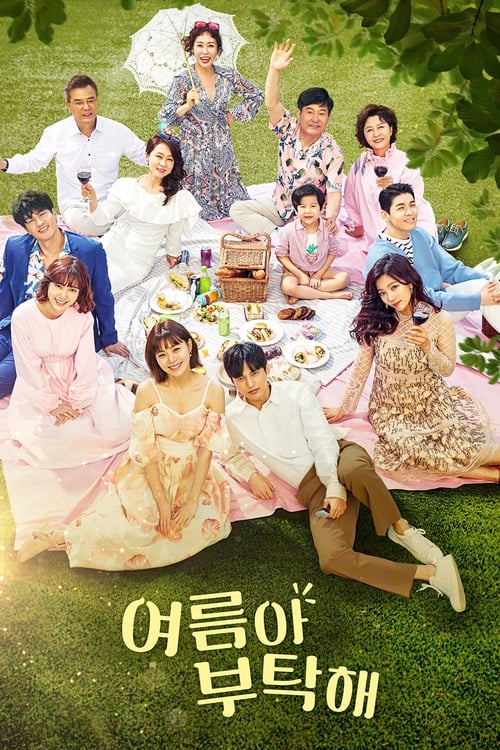
As the series concludes, the characters gather for a final scene that encapsulates their growth. They share laughter and memories, a stark contrast to the hardships they faced earlier. The atmosphere is filled with warmth and hope, as they look towards the future together. The camera pans out, revealing a beautiful landscape, symbolizing the endless possibilities that lie ahead.
In the end, Mi Poong stands strong, having transformed through her experiences. She is no longer the uncertain individual she once was; instead, she embodies resilience and hope. The series closes on a note of optimism, leaving viewers with a sense of fulfillment and the belief that, despite life's challenges, love and friendship can lead to brighter days.
Is there a post-credit scene?
In the 2016 television series "Windy Mi Poong," there is no post-credit scene. The show concludes its narrative without any additional scenes after the credits roll. The final moments of the series focus on the resolution of the main characters' arcs, providing closure to their journeys and relationships. The absence of a post-credit scene allows viewers to reflect on the emotional growth and transformations of the characters, particularly Mi Poong and her journey towards self-discovery and love. The series ends on a hopeful note, emphasizing themes of resilience and the importance of family and friendship.
What are the main character's motivations throughout the series?
The main character, Mi Poong, is driven by her desire to find her place in the world after facing numerous challenges in her life. She seeks to prove herself and gain independence, often struggling with her past and the expectations placed upon her by her family and society.
How does the relationship between Mi Poong and her love interest develop?
Mi Poong's relationship with her love interest evolves from initial misunderstandings and conflicts to a deep emotional connection. Their journey is marked by moments of vulnerability, shared dreams, and the challenges they face together, which ultimately strengthen their bond.
What role does family play in Mi Poong's life and decisions?
Family is a central theme in Mi Poong's life, influencing her choices and emotional state. Her relationships with her parents and siblings are complex, filled with love, expectations, and sometimes conflict, which drive her to seek approval while also yearning for her own identity.
What challenges does Mi Poong face in her career, and how does she overcome them?
Mi Poong encounters various obstacles in her career, including workplace discrimination and personal setbacks. Her determination and resilience shine through as she navigates these challenges, often relying on her creativity and support from friends to push through adversity.
How do secondary characters impact Mi Poong's journey?
Secondary characters play pivotal roles in shaping Mi Poong's journey. Friends and mentors provide guidance and support, while antagonists challenge her resolve. Each character's influence helps Mi Poong grow, learn valuable lessons, and ultimately find her own path.
Is this family friendly?
"Windy Mi Poong," produced in 2016, is generally considered family-friendly, but it does contain some elements that may be sensitive for children or those who are particularly sensitive. Here are a few aspects to be aware of:
-
Emotional Turmoil: The show features characters experiencing significant emotional struggles, including themes of loss, betrayal, and familial conflict. These moments can be intense and may evoke strong feelings.
-
Romantic Relationships: There are romantic subplots that include misunderstandings and heartbreak, which might be confusing or upsetting for younger viewers.
-
Conflict and Tension: The series includes scenes of conflict between characters, which can lead to arguments and emotional distress. These moments may be intense and could be unsettling for sensitive viewers.
-
Societal Issues: The show touches on themes such as social status and personal sacrifice, which may introduce complex ideas that require maturity to fully understand.
-
Minor Violence: While not graphic, there are instances of physical confrontations that may be alarming to younger audiences.
Overall, while "Windy Mi Poong" is suitable for a family audience, parental guidance may be advisable for younger children or sensitive viewers due to the emotional depth and complexity of the themes presented.