











Popular
How does the episode explore the theme of family dynamics through the character interactions?
How do the supporting characters influence the main character's decisions in this episode?
What internal conflicts does the main character face throughout the episode?
What significant event occurs in the relationship between the main character and Grego in this episode?
What role does the gift from Grego play in the episode's plot development?
Should I watch it?
Ask Your Own Question

What is the plot?
In the opening scene of "Presente de Grego," the episode begins with a tense atmosphere in the prison as the inmates are preparing for a special event. The camera pans through the crowded common area, capturing the anxious expressions of the prisoners. The anticipation builds as they await the arrival of a new shipment of goods, which includes a mysterious package that has piqued everyone's curiosity. The main character, Cazuza, is seen pacing, his mind racing with thoughts about the implications of this package.
As the guards begin to distribute the goods, Cazuza's attention is drawn to a particular box that seems to be of greater interest than the others. He exchanges glances with his close friend, who shares his intrigue. The guards, however, are on high alert, and the tension escalates as they monitor the inmates closely. Cazuza's internal conflict is evident; he is torn between his desire to uncover the contents of the box and the risk of drawing attention to himself.
When the package is finally opened, it reveals a collection of items that spark a mix of emotions among the inmates. Some are excited, while others are suspicious. Cazuza, feeling a surge of adrenaline, decides to investigate further. He discreetly approaches the box, trying to blend in with the crowd. As he reaches for an item, a guard suddenly appears, causing Cazuza to freeze. The guard's stern gaze sends a wave of panic through him, but he manages to play it cool, pretending to be uninterested.
Later, in a private moment, Cazuza confides in his friend about his growing unease regarding the package. He suspects that it might be a trap set by the guards to instigate conflict among the inmates. His friend, however, dismisses his concerns, believing that they should take advantage of the situation. This disagreement highlights the growing rift between them, as Cazuza's cautious nature clashes with his friend's more reckless approach.
As the day progresses, tensions rise within the prison. A group of inmates, emboldened by the contents of the package, begins to form factions. Cazuza watches as alliances shift and rivalries intensify. He feels increasingly isolated, grappling with the fear that the situation could spiral out of control. His internal struggle is palpable as he weighs the consequences of intervening versus staying out of the fray.
In a pivotal moment, a confrontation breaks out between two rival groups over the distribution of the items from the package. The scene is chaotic, with shouts and physical altercations erupting. Cazuza, caught in the middle, feels a surge of adrenaline as he instinctively steps in to break up the fight. He tries to reason with both sides, but his efforts are met with hostility. The fight escalates, and Cazuza finds himself in a precarious position, forced to defend himself against an aggressive inmate.
As the dust settles, Cazuza is left shaken but resolute. He realizes that he must take a stand to prevent further violence. He gathers a small group of inmates who share his vision of unity, and they begin to strategize on how to diffuse the tensions. Cazuza's leadership qualities begin to emerge, and he feels a sense of purpose as he rallies his peers.
The episode culminates in a tense standoff between Cazuza's group and the rival faction. The atmosphere is charged with hostility, and both sides are on edge. Cazuza steps forward, his heart racing, and delivers a passionate speech about the need for solidarity among the inmates. His words resonate with some, but others remain unconvinced. The situation hangs in the balance as Cazuza's fate--and that of the prison--teeters on the edge of chaos.
In the final moments of the episode, a surprising twist occurs when a guard unexpectedly intervenes, revealing that the package was indeed a test orchestrated by the prison administration to assess the inmates' loyalty and unity. The revelation leaves Cazuza and the others stunned, forcing them to confront the reality of their situation. The episode ends on a cliffhanger, with Cazuza contemplating the implications of the guard's words and the uncertain future that lies ahead for him and his fellow inmates.
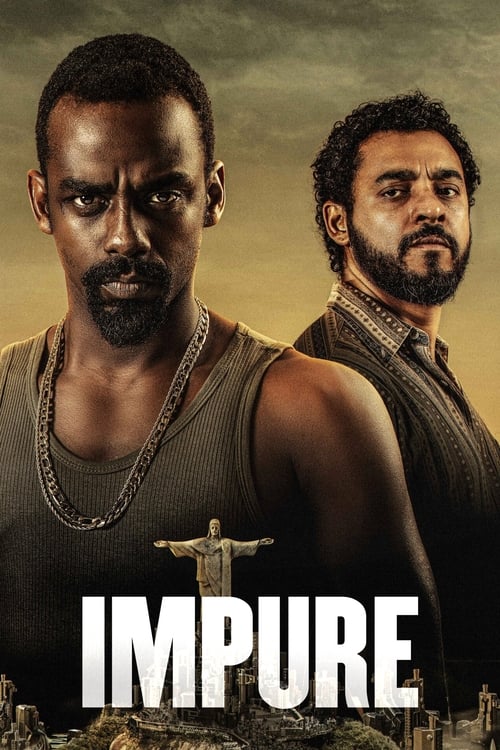








What is the ending?
In the ending of "One Against All," Season 4, Episode 5 titled "Presente de Grego," the tension culminates as the characters confront their past decisions and the consequences of their actions. The episode concludes with a significant revelation that alters the dynamics between the characters, leading to a moment of reckoning and emotional confrontation.
As the episode unfolds, we see the characters grappling with their choices. The protagonist, who has been navigating a complex web of relationships and conflicts, faces a pivotal moment that forces them to confront their own motivations and the impact of their actions on those around them. The emotional stakes are high, and the atmosphere is charged with unresolved tension.
In the final scenes, the protagonist has a heart-to-heart conversation with a key character, revealing deep-seated fears and regrets. This exchange serves as a cathartic release, allowing both characters to express their vulnerabilities. The episode ends on a note of uncertainty, leaving the audience to ponder the future of these relationships and the paths the characters will choose moving forward.
Now, let's delve into the ending in a more detailed, chronological narrative.
The episode begins with a palpable tension in the air, as the protagonist, who has been struggling with the weight of their decisions, prepares to face the consequences of their actions. The setting is dimly lit, reflecting the somber mood that envelops the characters. As they gather in a familiar location, the atmosphere is thick with unspoken words and unresolved conflicts.
Scene by scene, the characters engage in a series of confrontations that reveal their inner turmoil. The protagonist, feeling the pressure of their choices, seeks out a key character who has been affected by their decisions. This character, initially defensive, slowly begins to lower their guard as the conversation unfolds. The dialogue is raw and emotional, filled with moments of silence that speak volumes about their shared history.
As they delve deeper into their feelings, the protagonist admits to their fears of failure and the burden of expectations. The other character, moved by this vulnerability, shares their own struggles, creating a moment of connection that has been absent for so long. The scene is charged with emotion, as both characters realize the impact of their actions on each other's lives.
In the background, other characters observe this exchange, their expressions a mix of concern and hope. The tension in the room shifts as the protagonist and the key character reach a tentative understanding, acknowledging the pain they have caused each other. This moment of clarity serves as a turning point, allowing them to consider a path toward healing.
As the episode draws to a close, the protagonist makes a decision that signifies a commitment to change. They express a desire to make amends, not just to the key character but to everyone affected by their choices. This declaration is met with a mixture of skepticism and cautious optimism from the other characters, highlighting the complexity of forgiveness and trust.
The final scene leaves the audience with a sense of ambiguity. The protagonist stands at a crossroads, contemplating their next steps. The camera lingers on their face, capturing a blend of determination and uncertainty. The episode fades to black, leaving viewers to reflect on the characters' journeys and the potential for redemption.
In summary, the fates of the main characters are intertwined in this emotional climax. The protagonist is poised for a new beginning, while the key character grapples with the possibility of forgiveness. The other characters, witnessing this transformation, are left to navigate their own feelings of hope and doubt. The episode concludes with an open-ended question about the future, emphasizing the ongoing struggle for connection and understanding among the characters.
Is there a post-credit scene?
In the episode "Presente de Grego" from season 4 of "One Against All," there is indeed a post-credit scene. This brief moment unfolds after the main storyline concludes, providing a tantalizing glimpse into the future of the characters.
The scene opens in a dimly lit room, where a solitary figure sits at a table, shrouded in shadows. The atmosphere is thick with tension, and the sound of a clock ticking echoes in the background, amplifying the sense of anticipation. As the camera slowly zooms in, the figure is revealed to be Grego, a character whose presence has been felt throughout the episode.
Grego is seen meticulously arranging a series of photographs spread out before him. Each image captures moments from the lives of the main characters, showcasing their struggles, triumphs, and the complex web of relationships that have developed over the seasons. His expression is one of deep contemplation, a mix of nostalgia and determination flickering across his face.
As he picks up one particular photograph, a close-up reveals it to be of a pivotal moment from earlier in the series, evoking a sense of longing and unresolved issues. The camera lingers on his furrowed brow, hinting at his internal conflict and the weight of his past decisions.
Suddenly, the door creaks open, and a figure steps into the room, breaking the silence. The tension escalates as Grego quickly hides the photographs, his demeanor shifting from reflective to defensive. The identity of the newcomer remains obscured, leaving viewers in suspense. Their conversation is hushed, but the urgency in their voices suggests a significant development is about to unfold.
The scene ends abruptly, leaving viewers with a cliffhanger that raises questions about Grego's intentions and the implications for the characters moving forward. This post-credit moment serves as a powerful reminder of the intricate narrative threads that bind the characters together, setting the stage for future conflicts and revelations.
How does the episode explore the theme of family dynamics through the character interactions?
The episode delves into family dynamics by showcasing the strained relationships between the main character and their family members. Tensions rise during a family gathering, where past grievances resurface, forcing characters to confront their feelings of loyalty, resentment, and the desire for reconciliation.
How do the supporting characters influence the main character's decisions in this episode?
Supporting characters play a crucial role in shaping the main character's decisions. Their differing perspectives on loyalty and trust create a moral dilemma, pushing the main character to weigh the consequences of their choices regarding Grego and their family.
What internal conflicts does the main character face throughout the episode?
Throughout the episode, the main character grapples with feelings of anger, betrayal, and a longing for connection. These internal conflicts manifest in their interactions with Grego and family members, as they struggle to reconcile their desire for closure with the fear of further emotional pain.
What significant event occurs in the relationship between the main character and Grego in this episode?
In this episode, the main character confronts Grego about his past actions, leading to a tense exchange that reveals deep-seated emotions and unresolved issues between them. This confrontation serves as a pivotal moment in their relationship, highlighting themes of betrayal and forgiveness.
What role does the gift from Grego play in the episode's plot development?
The gift from Grego serves as a catalyst for the main character's emotional turmoil. Initially perceived as a gesture of goodwill, it ultimately symbolizes the complexities of their relationship, prompting the main character to reflect on their shared history and the implications of accepting or rejecting the gift.
Is this family friendly?
"One Against All," season 4, episode 5 titled "Presente de Grego," contains several elements that may not be suitable for children or sensitive viewers.
-
Violence: The episode features scenes of physical confrontations and aggressive behavior, which may be distressing for younger audiences.
-
Emotional Turmoil: Characters experience intense emotional struggles, including feelings of betrayal, anger, and despair, which could be upsetting for sensitive viewers.
-
Mature Themes: The narrative explores complex adult themes such as loyalty, revenge, and moral dilemmas, which may be difficult for children to understand.
-
Language: There may be instances of strong language or harsh dialogue that could be inappropriate for younger viewers.
-
Family Conflict: The episode delves into familial tensions and conflicts that could resonate negatively with children or those from sensitive backgrounds.
These aspects contribute to a viewing experience that may not be entirely family-friendly.