



















Popular
What are the key events that lead to the climax of the series?
What are the main motivations of the character Salvo?
How does the relationship between Salvo and his father evolve throughout the series?
What role does betrayal play in the character dynamics of Romanzo Siciliano?
How does the character of Angela influence Salvo's decisions?
Should I watch it?
Ask Your Own Question

What is the plot?
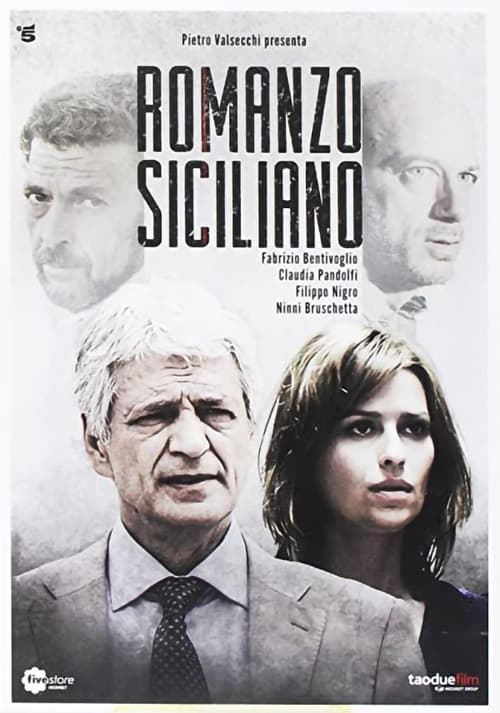
In the opening scenes of "Romanzo Siciliano," we are introduced to the protagonist, a seasoned police officer named Domenico "Mimmo" D'Angelo, who is deeply entrenched in the fight against organized crime in Sicily. The narrative begins with a tense atmosphere as Mimmo is seen investigating a brutal murder linked to the local mafia. The victim, a young man, is discovered in a remote area, and the crime scene is chaotic, filled with police and onlookers. Mimmo's determination to bring justice to the victim's family is palpable, showcasing his commitment to his work.
As the investigation unfolds, Mimmo faces pressure from his superiors to close the case quickly. They are concerned about the rising influence of the mafia and the potential backlash against the police. Despite this, Mimmo refuses to compromise his principles, believing that the truth must come to light. He begins to gather evidence, interviewing witnesses and delving into the victim's background, which reveals connections to a powerful crime family.
Mimmo's personal life is also explored, highlighting his strained relationship with his wife, who is frustrated by his obsession with work. This tension adds depth to his character, as he grapples with the demands of his job and the impact it has on his family life. His internal conflict is evident as he struggles to balance his duty to the law with his responsibilities at home.
The plot thickens when Mimmo uncovers a lead that points to a notorious mafia boss, Salvatore "Turi" Giordano. Turi is a cunning and ruthless figure who has a stronghold over the local community. Mimmo's investigation leads him to a clandestine meeting where he witnesses Turi's men discussing their operations. This discovery heightens the stakes, as Mimmo realizes he is now in direct conflict with a dangerous adversary.
As the story progresses, Mimmo's pursuit of justice becomes increasingly perilous. He receives threats aimed at him and his family, warning him to back off the investigation. The tension escalates when a close colleague of Mimmo's is killed in a hit that is clearly orchestrated by Turi's organization. This loss fuels Mimmo's resolve, pushing him to take greater risks in his quest for justice.
In a pivotal scene, Mimmo decides to go undercover to gather more evidence against Turi. He adopts a new identity and infiltrates the mafia's operations, gaining the trust of Turi's men. This sequence is fraught with danger, as Mimmo must navigate the treacherous world of organized crime while maintaining his cover. The emotional weight of this decision weighs heavily on him, as he is constantly aware of the potential consequences for himself and his family.
During his time undercover, Mimmo witnesses the brutal realities of the mafia's influence on the community. He sees how fear and violence control the lives of ordinary people, deepening his resolve to dismantle Turi's empire. However, the longer he stays embedded within the organization, the more he struggles with his dual identity, leading to moments of doubt and fear for his safety.
The climax of the story occurs when Mimmo gathers enough evidence to warrant a raid on Turi's operations. The police, led by Mimmo, execute a meticulously planned operation to arrest Turi and his associates. The raid is intense, filled with gunfire and chaos as the police confront armed mafia members. Mimmo's heart races as he navigates the gunfight, determined to bring Turi to justice.
In the aftermath of the raid, Turi is captured, but not without significant losses on both sides. Mimmo is left to grapple with the emotional toll of the violence he has witnessed and the sacrifices made along the way. The final scenes depict the fallout from the operation, as Mimmo reflects on the cost of his pursuit of justice and the impact it has had on his family and community.
The series concludes with a sense of unresolved tension, as the fight against organized crime continues. Mimmo's journey is one of resilience and determination, leaving viewers with a poignant reminder of the complexities of law enforcement in a world dominated by crime.





What is the ending?
In the ending of "Romanzo Siciliano," the story culminates in a tense confrontation that leads to significant revelations and the resolution of various character arcs. The main characters face the consequences of their choices, leading to a bittersweet conclusion.
As the narrative unfolds, we see the aftermath of the escalating conflict between the police and the mafia. The protagonist, a determined and morally conflicted police officer, grapples with his loyalty to the law and the personal connections he has formed with those on both sides of the conflict. The tension reaches a peak when a major operation is set in motion to dismantle the mafia's influence in the region.
In a climactic scene, the police raid a mafia stronghold, leading to a chaotic shootout. The protagonist finds himself in a life-or-death situation, forcing him to confront his own values and the cost of his pursuit of justice. As the dust settles, we witness the fates of the main characters: some are captured, others are killed, and a few manage to escape, leaving their futures uncertain.
The ending leaves viewers with a sense of unresolved tension, highlighting the ongoing struggle between law enforcement and organized crime, as well as the personal sacrifices made by those involved.
As the final act of "Romanzo Siciliano" unfolds, the atmosphere is thick with tension. The camera pans over the gritty streets of Palermo, where the shadows of the mafia loom large. The protagonist, Inspector Giovanni, stands at a crossroads, his face etched with determination and doubt. He knows that the operation to take down the mafia is imminent, and the stakes have never been higher.
Scene 1: The Planning Room In a dimly lit room, Giovanni and his team gather around a table strewn with maps and photographs of key mafia figures. The air is charged with urgency as they discuss the plan. Giovanni's internal conflict is palpable; he feels the weight of responsibility not just for his team but for the innocent lives caught in the crossfire. His partner, a seasoned officer named Marco, tries to reassure him, but Giovanni's mind races with thoughts of the consequences.
Scene 2: The Raid The scene shifts to the mafia stronghold, where the atmosphere is tense and foreboding. The camera captures the grim faces of the mafia members as they prepare for an impending confrontation. Giovanni leads his team, their hearts pounding as they approach the building. The sound of their footsteps echoes ominously, heightening the suspense. Suddenly, gunfire erupts, and chaos ensues. The screen is filled with flashes of light and the sounds of shouting and gunfire, creating a visceral experience for the audience.
Scene 3: The Confrontation In the midst of the chaos, Giovanni finds himself face-to-face with a notorious mafia boss, Salvatore. The two men lock eyes, and in that moment, a silent understanding passes between them. Giovanni's resolve hardens as he realizes that this confrontation is not just about the law; it's about his own moral compass. The tension escalates as they exchange words, revealing their conflicting ideologies. Giovanni's determination to uphold justice clashes with Salvatore's ruthless pragmatism.
Scene 4: The Aftermath As the dust settles, the scene shifts to the aftermath of the raid. The camera captures the devastation left behind--broken glass, fallen bodies, and the haunting silence that follows the violence. Giovanni stands amidst the wreckage, his expression a mix of relief and sorrow. He surveys the scene, knowing that while some mafia members have been captured, others have escaped, and the fight is far from over.
Scene 5: The Fates of the Characters In the final moments, we see the fates of the main characters unfold. Marco, who fought valiantly, is injured but alive, his future uncertain as he is taken to the hospital. Giovanni, burdened by the weight of his choices, reflects on the cost of his pursuit of justice. Salvatore, having narrowly escaped, vows to continue his reign, leaving a lingering threat in the air. The camera lingers on Giovanni's face, capturing the turmoil within him as he grapples with the reality that the battle against the mafia is ongoing.
The series concludes with a haunting sense of ambiguity, emphasizing the cyclical nature of crime and justice in Sicily. The characters are left to navigate their complex realities, and the audience is left to ponder the true cost of their choices.
Is there a post-credit scene?
"Romanzo Siciliano," produced in 2016, does not feature a post-credit scene. The series concludes its narrative without any additional scenes after the credits roll. The final moments of the show wrap up the storylines of the main characters, providing closure to their arcs and the overarching plot. The absence of a post-credit scene allows viewers to reflect on the events that have transpired throughout the series, emphasizing the emotional weight of the characters' journeys and the themes of loyalty, betrayal, and the complexities of Sicilian life.
What are the key events that lead to the climax of the series?
The climax is built through a series of escalating conflicts, including power struggles within the criminal underworld, personal betrayals, and Salvo's increasing desperation to protect his family. Key events include confrontations with rival factions, the unraveling of alliances, and critical decisions that force Salvo to confront the consequences of his lifestyle, culminating in a dramatic showdown.
What are the main motivations of the character Salvo?
Salvo, the protagonist, is driven by a deep sense of loyalty to his family and a desire to protect his loved ones. His internal conflict often revolves around balancing his criminal activities with his moral compass, leading him to make choices that reflect both his ambition and his conscience.
How does the relationship between Salvo and his father evolve throughout the series?
Initially, Salvo's relationship with his father is strained due to differing views on family loyalty and criminality. As the series progresses, Salvo grapples with his father's expectations while trying to carve out his own identity, leading to moments of tension and eventual understanding as they confront their shared past.
What role does betrayal play in the character dynamics of Romanzo Siciliano?
Betrayal is a recurring theme that significantly impacts character relationships. Key characters face betrayals that test their loyalties, such as Salvo's trust in his allies and the consequences of their actions. These moments create emotional turmoil and drive the plot forward, revealing the fragility of trust in their world.
How does the character of Angela influence Salvo's decisions?
Angela serves as a moral anchor for Salvo, often challenging his choices and pushing him to reconsider his path. Her presence evokes a sense of vulnerability in Salvo, as he struggles between his love for her and the violent world he inhabits, leading to pivotal moments where he must choose between love and loyalty.
Is this family friendly?
"Romanzo Siciliano," produced in 2016, is a crime drama that delves into the complexities of Sicilian life, featuring themes of violence, crime, and moral ambiguity. The show is not considered family-friendly due to several potentially objectionable aspects, including:
-
Violence: The series contains graphic depictions of violence, including shootings and physical confrontations, which may be distressing for younger viewers.
-
Crime and Corruption: The narrative revolves around organized crime, showcasing illegal activities and the impact of corruption on society, which may be unsettling for sensitive audiences.
-
Mature Themes: The show explores themes of betrayal, revenge, and the moral dilemmas faced by characters involved in criminal enterprises, which may be too intense for children.
-
Strong Language: The dialogue includes coarse language and adult conversations that may not be suitable for younger viewers.
-
Emotional Turmoil: Characters experience significant emotional struggles, including grief, loss, and moral conflict, which could be heavy for sensitive individuals.
Overall, the series is intended for a mature audience and may not be appropriate for children or those who are sensitive to such themes.









