
















Popular
What challenges did Jackie Robinson face when he first joined the Brooklyn Dodgers?
How did Branch Rickie support Jackie Robinson during his career?
What was the significance of the game on April 15, 1947, for Jackie Robinson?
How did Jackie Robinson's relationship with his wife, Rachel, influence his career?
What role did the media play in shaping public perception of Jackie Robinson?
Should I watch it?
Ask Your Own Question

What is the plot?
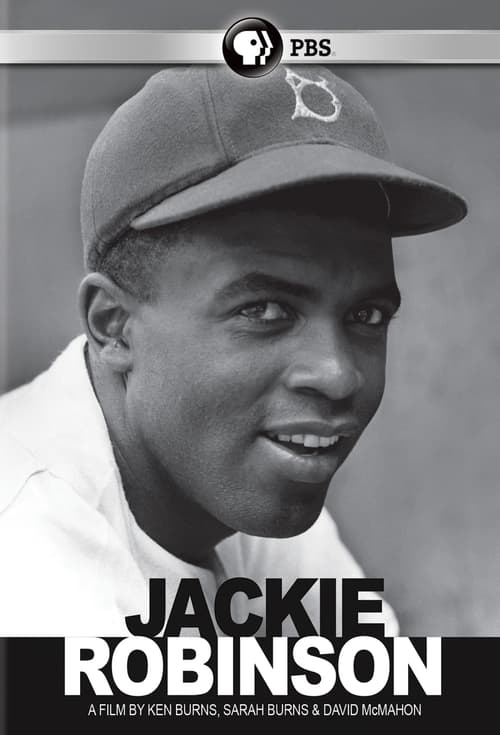
The documentary "Jackie Robinson," produced in 2016, begins with a powerful introduction that sets the stage for the life of Jackie Robinson, highlighting his significance in American history as the first African American to play in Major League Baseball. The film opens with archival footage of Robinson's debut with the Brooklyn Dodgers in 1947, showcasing the excitement and tension surrounding this groundbreaking moment. The narration emphasizes the racial barriers he faced and the impact of his presence on the sport and society.
The narrative then shifts to Robinson's early life, detailing his upbringing in Pasadena, California. Viewers learn about his family background, including his mother, who raised him after his father abandoned them. The film portrays Robinson as a gifted athlete, excelling in multiple sports during his time at UCLA. His determination and talent are evident as he navigates the challenges of being a young Black man in a racially segregated America.
As the story progresses, the film delves into Robinson's military service during World War II. It highlights his experiences as a second lieutenant in the U.S. Army, where he faced racial discrimination, including an incident where he was court-martialed for refusing to move to the back of a bus. This moment underscores his resilience and commitment to fighting against injustice, even in the military.
Following his discharge from the Army, the film transitions to Robinson's entry into professional baseball. The narrative focuses on his signing with the Montreal Royals, the Dodgers' minor league affiliate, in 1946. The film captures the challenges he faced in the minor leagues, including hostility from fans and players, but also showcases his exceptional skills on the field. His performance earns him a promotion to the Brooklyn Dodgers, where he makes history.
The documentary then explores Robinson's debut game on April 15, 1947. The tension is palpable as he steps onto the field at Ebbets Field, facing a mix of cheers and jeers from the crowd. The film captures the emotional weight of the moment, emphasizing Robinson's internal struggle as he fights to maintain his composure in the face of racial hostility. His performance in the game is highlighted, showcasing his talent and determination.
As Robinson's career progresses, the film details the challenges he continues to face, including threats and racial slurs from opposing players and fans. The narrative emphasizes the support he receives from his teammates, particularly from Dodger president Branch Rickey, who plays a crucial role in Robinson's integration into the league. Rickey's decision to sign Robinson is portrayed as a pivotal moment in baseball history, driven by a desire to challenge the status quo.
The film also explores Robinson's personal life, including his marriage to Rachel Robinson. Their relationship is depicted as a source of strength for Jackie, providing emotional support amid the pressures of his groundbreaking career. The film highlights Rachel's role in advocating for civil rights and her unwavering support for her husband.
As Robinson's fame grows, the documentary addresses the backlash he faces from fans and players alike. The film includes interviews with former players and historians who discuss the impact of Robinson's presence in baseball and the broader civil rights movement. The emotional toll of racism on Robinson is evident, as he grapples with the weight of being a symbol for change.
The narrative reaches a climax during the 1949 season when Robinson wins the National League MVP award. This achievement is celebrated as a significant milestone, showcasing his talent and resilience. However, the film also highlights the ongoing struggles he faces, including injuries and the pressure of being a trailblazer in a racially charged environment.
In the later years of his career, the film depicts Robinson's continued advocacy for civil rights, both on and off the field. His involvement in various social justice initiatives is highlighted, showcasing his commitment to using his platform for change. The documentary captures the evolution of Robinson's legacy, emphasizing his role as a pioneer for future generations of athletes.
The film concludes with reflections on Robinson's impact on baseball and American society. It showcases his induction into the Baseball Hall of Fame in 1962 and his lasting influence on the sport. The final scenes emphasize the importance of his legacy, celebrating his contributions to civil rights and the ongoing fight for equality. The documentary ends with a powerful message about the significance of Robinson's journey and the progress made since his time, leaving viewers with a sense of hope and inspiration.









What is the ending?
In the ending of the 2016 TV show "Jackie Robinson," the narrative culminates in Jackie Robinson's retirement from baseball, reflecting on his legacy and the impact he had on the sport and civil rights. The final scenes highlight his struggles, triumphs, and the barriers he broke as a Black athlete in America.
As the story unfolds, we see Jackie Robinson, now a seasoned player, grappling with the weight of his achievements and the challenges that still lie ahead. The final game he plays is filled with tension, as he faces not only the opposing team but also the lingering racism and prejudice that have shadowed his career. The crowd's mixed reactions serve as a reminder of the societal changes he has both witnessed and influenced.
In the closing moments, Jackie is seen reflecting on his journey, surrounded by family and friends who have supported him throughout his career. His wife, Rachel, stands by his side, embodying the strength and resilience that has characterized their partnership. The narrative emphasizes the importance of their bond, showcasing the emotional support that has been crucial to Jackie's success.
As the credits roll, we see archival footage of Jackie's impact on baseball and civil rights, underscoring his legacy as a pioneer. The final images evoke a sense of hope and progress, leaving viewers with a powerful reminder of the barriers Jackie Robinson broke and the doors he opened for future generations of athletes.
In the final act of "Jackie Robinson," the scene opens with a somber yet reflective atmosphere as Jackie prepares for what will be his last game. The stadium is filled with fans, some cheering for him, while others express their discontent, a stark reminder of the racial tensions that still exist. Jackie, now a veteran player, steps onto the field, his demeanor a mix of determination and weariness. He knows this game is not just about baseball; it's about the legacy he leaves behind.
As the game progresses, Jackie's performance is a testament to his skill and resilience. He hits a crucial home run, and the crowd erupts, but the cheers are tinged with the knowledge that this moment is bittersweet. The camera captures Jackie's face, a blend of pride and sadness, as he realizes that this is the culmination of years of struggle and triumph. His teammates rally around him, celebrating the moment, but there's an underlying tension as they all know that change is still needed in the world beyond the diamond.
In the dugout, Jackie shares a poignant moment with his wife, Rachel. Their connection is palpable; she has been his rock throughout the trials he has faced. As they exchange glances, it's clear that their journey has been intertwined with both personal and societal battles. Rachel's unwavering support has been a source of strength for Jackie, and in this moment, they both understand the significance of what he has accomplished--not just for himself, but for countless others who will follow in his footsteps.
After the game, Jackie is approached by reporters, and he speaks candidly about his experiences. He reflects on the challenges he faced as a Black man in a predominantly white sport, acknowledging the sacrifices made by those who came before him. His words resonate with a sense of responsibility; he knows that his journey has paved the way for future athletes, and he hopes to inspire them to continue the fight for equality.
The final scenes shift to Jackie's retirement announcement. He stands before a crowd, visibly emotional, as he expresses gratitude for the support he has received throughout his career. The audience listens intently, some with tears in their eyes, recognizing the significance of this moment. Jackie's voice trembles as he speaks about the importance of perseverance and the ongoing struggle for civil rights, emphasizing that while he may be stepping away from the game, the fight for justice continues.
As the narrative draws to a close, we see Jackie surrounded by his family, a poignant reminder of the personal sacrifices made along the way. The camera lingers on Rachel, who beams with pride, embodying the strength of their partnership. The final shot captures Jackie looking out at the field one last time, a mixture of nostalgia and hope in his eyes. The screen fades to black, and archival footage of Jackie's legacy plays, showcasing his impact on baseball and society. The credits roll, leaving viewers with a profound sense of the barriers Jackie Robinson broke and the enduring legacy he created for future generations.
Is there a post-credit scene?
The 2016 documentary series "Jackie Robinson" does not feature a post-credit scene. The series is structured as a comprehensive exploration of Jackie Robinson's life, focusing on his groundbreaking role in breaking the color barrier in Major League Baseball, his struggles against racism, and his impact on American society. Each episode concludes with a reflection on his legacy, but there are no additional scenes or content after the credits roll. The series aims to provide a deep and respectful portrayal of Robinson's journey, emphasizing his achievements and the challenges he faced, rather than including any fictional or additional narrative elements typical of post-credit scenes in scripted shows.
What challenges did Jackie Robinson face when he first joined the Brooklyn Dodgers?
Jackie Robinson faced immense challenges when he joined the Brooklyn Dodgers, including racial discrimination from fans, opposing players, and even some teammates. He endured verbal abuse and threats, which tested his resolve and commitment to breaking the color barrier in Major League Baseball. His internal struggle was palpable as he grappled with the pressure to maintain his composure while fighting for respect and equality.
How did Branch Rickie support Jackie Robinson during his career?
Branch Rickie, the Dodgers' general manager, played a crucial role in supporting Jackie Robinson. He was instrumental in signing Robinson and provided him with a platform to showcase his talent. Rickie also stood by Robinson during the tumultuous times, offering guidance and encouragement. He understood the significance of Robinson's presence in baseball and was determined to help him succeed despite the backlash.
What was the significance of the game on April 15, 1947, for Jackie Robinson?
The game on April 15, 1947, marked Jackie Robinson's debut in Major League Baseball, making him the first African American to play in the league in the modern era. This moment was significant not only for Robinson but for the entire sport, symbolizing a pivotal step towards racial integration. The emotions were high as Robinson took the field, filled with a mix of anxiety and determination, knowing the weight of history rested on his shoulders.
How did Jackie Robinson's relationship with his wife, Rachel, influence his career?
Jackie Robinson's relationship with his wife, Rachel, was a cornerstone of his strength and resilience throughout his career. Rachel provided unwavering support, often being his confidante and emotional anchor during the trials he faced. Her presence helped him navigate the pressures of being a trailblazer in a racially charged environment, and their bond deepened as they faced challenges together, showcasing the importance of love and partnership in overcoming adversity.
What role did the media play in shaping public perception of Jackie Robinson?
The media played a significant role in shaping public perception of Jackie Robinson. Initially, many sportswriters were skeptical or hostile towards him, reflecting the racial attitudes of the time. However, as Robinson proved his talent and character on the field, some journalists began to advocate for him, highlighting his achievements and the importance of his presence in baseball. This shift in media portrayal helped to gradually change public opinion, showcasing the power of narrative in the fight against racism.
Is this family friendly?
The 2016 documentary series "Jackie Robinson" is generally family-friendly, but it does contain some potentially objectionable or upsetting scenes that may affect children or sensitive viewers.
-
Racial Discrimination: The series depicts the harsh realities of racism that Jackie Robinson faced both on and off the field. This includes scenes of racial slurs, segregation, and the emotional toll of discrimination, which may be distressing for younger viewers.
-
Violence and Intimidation: There are moments that illustrate the hostility Robinson encountered from fans and opposing players, including threats and physical confrontations. These scenes may be intense and unsettling.
-
Emotional Struggles: The series delves into Robinson's personal struggles with anxiety and the pressure of being a trailblazer in a segregated society. His emotional turmoil is portrayed in a raw and honest manner, which could be heavy for some viewers.
-
Historical Context: The documentary addresses the broader context of racial inequality in America during Robinson's time, including references to systemic racism and social injustice, which may require additional explanation for younger audiences.
Overall, while the series is educational and inspiring, parents may want to preview it or discuss its themes with children to provide context and support.









