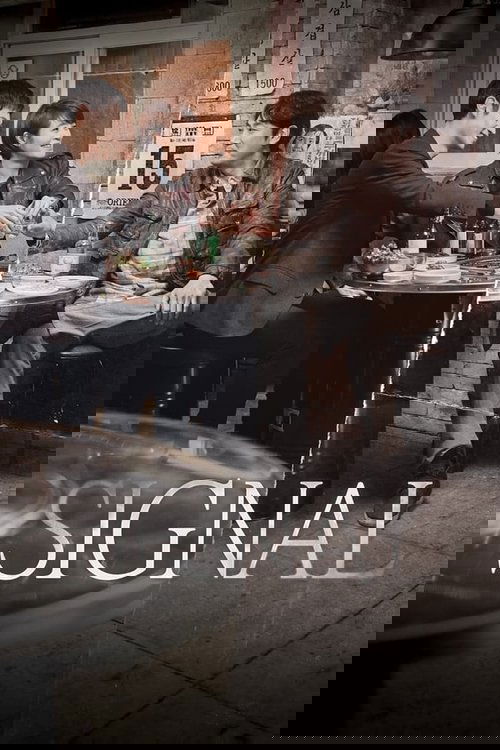













Popular
What is the significance of the walkie-talkie in Signal?
How does Park Hae-young's character evolve throughout the series?
What role does the character of Lee Jae-han play in the narrative?
What is the relationship between Park Hae-young and his colleagues?
How does the theme of time affect the characters in Signal?
Should I watch it?
Ask Your Own Question

What is the plot?
In 2000, a young police officer named Park Hae-young is investigating a series of murders in the city. He is particularly focused on a case involving a missing girl, which has left a deep impact on him. During his investigation, he discovers a walkie-talkie that allows him to communicate with a detective from the past, Lee Jae-han, who is working in 1989. Hae-young is initially skeptical but soon realizes the potential of this connection to solve cold cases.
As Hae-young and Jae-han communicate, they begin to share information about ongoing investigations. Hae-young learns that Jae-han is also trying to solve the same missing girl case. They work together to gather clues, and Hae-young provides Jae-han with information about future events, which helps Jae-han prevent a crime from occurring. This collaboration creates a bond between the two men, despite the time gap.
In 1989, Jae-han is portrayed as a dedicated detective who is passionate about his work. He faces challenges from his superiors and struggles with the bureaucracy of the police force. His determination to solve cases often puts him at odds with his colleagues, but he remains committed to justice. Meanwhile, Hae-young, in 2000, is dealing with his own demons, including the trauma of a past case that went unsolved, which drives his desire to make a difference.
As the story progresses, Hae-young and Jae-han uncover a series of connections between various cases, including a notorious serial killer. They realize that the killer has been active across both timelines, and their collaboration becomes crucial in piecing together the evidence. Hae-young's insights from the future help Jae-han avoid dangerous situations and ultimately leads to the arrest of several suspects.
However, the timeline becomes increasingly complicated as they attempt to change the past. Each time they intervene, they face unforeseen consequences that alter the course of events. Jae-han's actions in 1989 begin to affect Hae-young's present, leading to a series of twists that complicate their investigation. Hae-young struggles with the moral implications of changing the past, while Jae-han remains focused on solving the cases at hand.
As they delve deeper into the investigation, they encounter a character named Kim Hye-soo, a forensic expert who becomes an integral part of their team. Hye-soo's expertise helps them analyze evidence more effectively, and she becomes a bridge between the two timelines. Her presence adds emotional depth to the story, as she grapples with her own past and the impact of the cases they are working on.
The climax of the season occurs when Hae-young and Jae-han finally confront the serial killer, who has been eluding them throughout their investigation. In a tense standoff, they manage to corner the suspect, but not without significant risk. Jae-han's life is put in jeopardy as he faces the killer, and Hae-young must make a critical decision about how far he is willing to go to save his friend and bring justice.
In the final moments of the season, the consequences of their actions become apparent. Hae-young realizes that despite their best efforts, some events cannot be changed without dire repercussions. The emotional weight of their journey weighs heavily on both men, and they are left to grapple with the reality of their choices. The season ends on a cliffhanger, leaving viewers eager to see how their story will unfold in the future.








What is the ending?
In the ending of "Signal," season 1, the story culminates in a tense confrontation between the main characters and the serial killer they have been pursuing. The timeline becomes increasingly complex as they attempt to save a victim and prevent further murders. Ultimately, the characters face significant sacrifices, leading to a bittersweet resolution where they manage to alter the past but at a great personal cost.
As the final episodes unfold, we see Detective Park Hae-young, who has been communicating with the past through a walkie-talkie, grappling with the weight of his actions. He is determined to save the victims of the serial killer, including the young girl who has been abducted. Hae-young's partner, Detective Lee Jae-han, who is trapped in the past, works tirelessly to provide Hae-young with crucial information to prevent the murders.
In a climactic scene, Hae-young and Jae-han coordinate their efforts across time, leading to a confrontation with the killer. However, the emotional toll of their actions becomes evident as they realize that changing the past has unforeseen consequences. The final moments are filled with tension as they race against time, and ultimately, they succeed in saving the girl, but not without personal sacrifices.
The series concludes with a poignant scene where Hae-young reflects on the impact of their choices. The characters are left to deal with the emotional aftermath of their journey, highlighting the themes of sacrifice, the burden of knowledge, and the complexities of time.
In the end, Hae-young is left with a sense of loss but also a renewed purpose, while Jae-han's fate remains ambiguous, leaving viewers to ponder the implications of their actions and the nature of time itself.
As the final episodes of "Signal" unfold, the tension escalates, leading to a gripping climax that intertwines the fates of the main characters.
Scene 1: The episode opens with Detective Park Hae-young, visibly anxious, pacing in his office. He clutches the walkie-talkie, the device that has allowed him to communicate with Detective Lee Jae-han, who is trapped in the past. Hae-young's determination to save the young girl, who has been abducted by the serial killer, drives him forward. His internal conflict is palpable; he feels the weight of responsibility for the lives at stake.
Scene 2: Meanwhile, in the past, Jae-han is working tirelessly to gather evidence against the killer. He is seen interviewing witnesses, his brow furrowed in concentration. The emotional strain of being separated from Hae-young and the knowledge of the impending tragedy weighs heavily on him. He knows that every second counts, and he is desperate to relay crucial information to Hae-young.
Scene 3: The two detectives finally synchronize their efforts. Hae-young receives a critical piece of information from Jae-han about the killer's next move. The urgency in Hae-young's voice is evident as he races to the location where the girl is being held. The camera captures his determination, sweat glistening on his forehead as he navigates through the city.
Scene 4: As Hae-young arrives at the scene, he finds the location abandoned, a chilling silence enveloping him. Panic sets in as he realizes they may be too late. The emotional turmoil is evident on his face; he feels the weight of failure looming over him. Just as despair begins to take hold, he receives another message from Jae-han, guiding him to a hidden area where the girl is being held captive.
Scene 5: The confrontation with the killer is intense. Hae-young bursts into the room, adrenaline coursing through his veins. The killer, a menacing figure, is caught off guard. A struggle ensues, and the tension is palpable as Hae-young fights to save the girl. The stakes are high, and the emotional stakes are even higher as Hae-young recalls the faces of the victims he couldn't save in the past.
Scene 6: In a moment of desperation, Hae-young manages to overpower the killer, but not without sustaining injuries. The girl is saved, and the relief washes over him, but the victory is bittersweet. The emotional toll of the confrontation is evident as he cradles the girl, tears streaming down his face, a mix of joy and sorrow.
Scene 7: The aftermath reveals the consequences of their actions. Hae-young and Jae-han reflect on the changes they have made to the timeline. Hae-young is left with a sense of loss, knowing that while they saved the girl, the ripple effects of their actions may have altered other lives in unforeseen ways. Jae-han's fate remains uncertain, leaving viewers with a haunting question about the nature of time and sacrifice.
Scene 8: The series concludes with Hae-young standing alone, looking out over the city. The weight of his choices hangs heavy on his shoulders. He understands that while they have changed the past, the future remains uncertain. The emotional complexity of their journey resonates deeply, encapsulating the themes of sacrifice, the burden of knowledge, and the intricate web of time.
In the end, Hae-young emerges with a renewed sense of purpose, while Jae-han's fate lingers in ambiguity, leaving a lasting impact on the audience and inviting contemplation on the nature of their journey.
Is there a post-credit scene?
In the first season of "Signal," there is no post-credit scene. The series concludes with its final episode, wrapping up the main narrative arcs without any additional scenes after the credits. The focus remains on the resolution of the characters' journeys and the impact of their actions throughout the series, particularly the relationship between the past and present as they work together to solve cold cases. The emotional weight of the story is emphasized in the final moments, leaving viewers with a sense of closure regarding the characters' fates and the mysteries they have unraveled.
What is the significance of the walkie-talkie in Signal?
The walkie-talkie serves as a crucial plot device that connects the present-day detective Park Hae-young with the past detective Lee Jae-han. It symbolizes the bridge between two timelines, allowing them to communicate and collaborate on solving cold cases, particularly the serial murders that haunt both their lives. The emotional weight of the walkie-talkie is felt deeply by both characters, as it represents their shared struggles and the hope of preventing future tragedies.
How does Park Hae-young's character evolve throughout the series?
Park Hae-young begins as a disillusioned detective, haunted by the unsolved case of his childhood friend's murder. His initial cynicism and frustration with the justice system are palpable, as he feels powerless to change the past. As he communicates with Lee Jae-han, he becomes more determined and proactive, channeling his emotional turmoil into a quest for justice. This evolution is marked by moments of vulnerability, such as when he confronts his own fears and regrets, ultimately leading him to a place of hope and resilience.
What role does the character of Lee Jae-han play in the narrative?
Lee Jae-han is a pivotal character whose actions in the past directly influence the present. As a dedicated detective, he embodies the ideals of justice and duty, but he is also burdened by the weight of his unsolved cases, particularly the serial murders. His character is marked by a sense of urgency and desperation, especially as he realizes the implications of his communication with Park Hae-young. Jae-han's motivations are driven by a desire to protect the innocent and rectify his past mistakes, making him a tragic yet heroic figure in the story.
What is the relationship between Park Hae-young and his colleagues?
Park Hae-young's relationship with his colleagues is complex and evolves throughout the series. Initially, he is seen as an outsider, struggling to fit in due to his unconventional methods and obsession with cold cases. However, as he begins to solve cases with the help of Lee Jae-han, he earns their respect and trust. His interactions with his partner, Seo Da-hee, reveal a growing camaraderie, as they both grapple with the emotional toll of their work. The dynamics shift from skepticism to collaboration, highlighting themes of teamwork and shared purpose.
How does the theme of time affect the characters in Signal?
The theme of time is central to the characters' motivations and actions. Both Park Hae-young and Lee Jae-han are acutely aware of the consequences of their choices across timelines. Hae-young's attempts to alter the past create a sense of urgency and moral dilemma, as he grapples with the potential repercussions of changing events. Jae-han, on the other hand, is driven by a sense of duty to protect the future, often reflecting on his past decisions with regret. This interplay of time creates a rich emotional landscape, as both characters navigate their intertwined fates.
Is this family friendly?
"Signal," while a gripping and well-crafted drama, contains several elements that may not be suitable for children or sensitive viewers. Here are some potentially objectionable or upsetting aspects:
-
Violence and Crime Scenes: The show features depictions of violent crimes, including murder and assault. These scenes can be graphic and intense, showcasing the aftermath of violence.
-
Mature Themes: The narrative delves into serious themes such as loss, trauma, and the psychological impact of crime on victims and their families. These themes may be heavy for younger audiences.
-
Emotional Distress: Characters experience significant emotional turmoil, including grief, guilt, and despair. The portrayal of their struggles can be quite intense and may resonate deeply with sensitive viewers.
-
Police Procedural Elements: The show includes scenes of police investigations that may involve disturbing evidence or confrontations with suspects, which could be unsettling.
-
Language: There are instances of strong language used throughout the series, which may not be appropriate for younger viewers.
Overall, while "Signal" is a compelling narrative, its mature content and emotional weight may make it more suitable for older teens and adults.