


Popular
What adventures do the students go on in the episode 'The Frizz Connection'?
How does the class travel to the ocean in 'The Ocean Commotion'?
What is the main conflict in the episode 'The Secrets of the Sphinx'?
What lesson do the students learn in 'The Search for the Missing Bones'?
How does the character of Ms. Frizzle differ from her sister in 'Ms. Frizzle's Adventures'?
Should I watch it?
Ask Your Own Question

What is the plot?
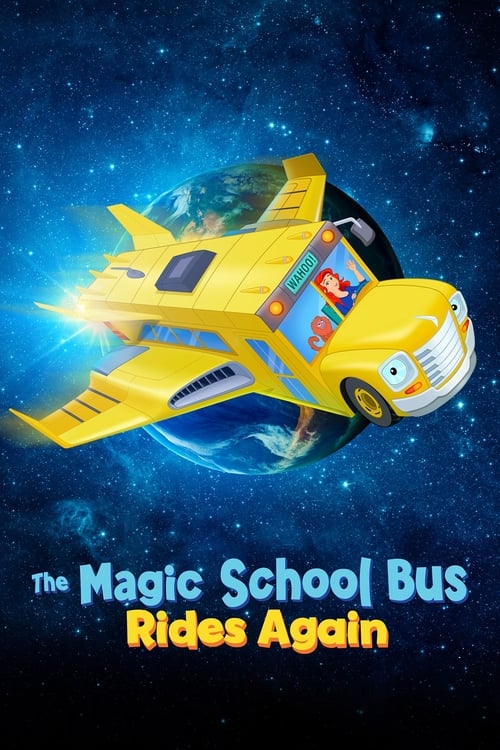
In the first episode of "The Magic School Bus Rides Again," titled "The Frizz Connection," the story begins with Ms. Frizzle's sister, Fiona Frizzle, taking over the class. The students are excited but also nervous about the change. Fiona introduces the class to a new project about ecosystems, and they are tasked with exploring different environments. The students express their concerns about not having the original Ms. Frizzle, but Fiona reassures them that she will guide them through their adventure.
The class boards the Magic School Bus, which has been upgraded with new technology. Fiona activates the bus, and they shrink down to explore a nearby pond ecosystem. As they navigate through the water, they encounter various creatures, including tadpoles and dragonflies. The students are amazed by the vibrant life around them, and Fiona encourages them to observe and take notes. However, they soon realize that they are not alone; a group of bullfrogs is also present, and they must be careful not to disturb the ecosystem.
As they continue their exploration, the students notice that the bullfrogs are behaving strangely. Fiona explains that the frogs are affected by pollution in the pond. The students become concerned and decide they need to help. They brainstorm ideas on how to clean up the pond and restore the ecosystem. Fiona supports their initiative, and they work together to come up with a plan.
The students decide to gather information about the pollution sources. They split into teams, with some investigating the surrounding area while others collect samples from the pond. During their investigation, they discover that litter and chemicals from nearby factories are contaminating the water. The students feel a sense of urgency to act, realizing that the health of the pond depends on their efforts.
After gathering enough evidence, the class returns to the bus to discuss their findings. Fiona encourages them to present their research to the local community to raise awareness about the pollution. The students feel empowered and excited about the possibility of making a difference. They prepare a presentation, practicing their speeches and organizing their data.
On the day of the presentation, the students are nervous but determined. They present their findings to a group of community members, including local officials. The students passionately explain the impact of pollution on the pond ecosystem and propose a cleanup initiative. The audience is engaged, and some community members express their support for the students' efforts.
Following the presentation, the community decides to hold a cleanup event. The students are thrilled to see their hard work pay off. They participate in the cleanup, working alongside community members to remove trash and pollutants from the pond. As they clean, they notice the positive changes in the environment, with more wildlife returning to the area.
In the final scenes, the students reflect on their adventure and the importance of taking care of the environment. Fiona praises them for their teamwork and dedication. The episode ends with the class feeling accomplished, having learned valuable lessons about ecosystems and the impact of pollution, while also forming a bond with their new teacher, Fiona.



What is the ending?
In the ending of "The Magic School Bus Rides Again," the students successfully complete their adventure, learning valuable lessons about teamwork and science. They return to the classroom, where Ms. Frizzle encourages them to continue exploring and being curious about the world around them.
As the episode draws to a close, the scene opens inside the vibrant and colorful classroom of the Magic School Bus. The students, filled with excitement and a sense of accomplishment, gather around Ms. Frizzle, who stands at the front with her signature enthusiasm. The atmosphere is electric, buzzing with the energy of their recent adventure.
The camera pans to the students, each one reflecting on their journey. Arnold, who often feels anxious about the wild escapades, wears a broad smile, his eyes sparkling with newfound confidence. He shares how he faced his fears during their latest adventure, which involved exploring the depths of the ocean. His voice is filled with pride as he recounts how he helped his friends navigate through a challenging situation.
Next, the focus shifts to Phoebe, who is animatedly discussing the marine life they encountered. Her passion for the ocean is evident as she describes the colorful fish and the importance of ocean conservation. She feels a deep connection to the environment, and her enthusiasm inspires her classmates to think about their role in protecting nature.
Carlos, always the jokester, chimes in with a humorous anecdote about a mishap they had with a giant squid. His laughter fills the room, and the other students join in, their camaraderie evident. Carlos's lightheartedness serves as a reminder of the joy that comes from learning together, even when things don't go as planned.
Wanda, the science enthusiast, takes a moment to express her gratitude for the experience. She reflects on the scientific concepts they learned, emphasizing the importance of curiosity and exploration. Her determination to pursue science is palpable, and she encourages her friends to keep asking questions and seeking answers.
As the students share their thoughts, Ms. Frizzle listens intently, her eyes twinkling with pride. She reminds them that every adventure is an opportunity to learn and grow. With her characteristic flair, she encourages them to continue exploring the wonders of the world, both inside and outside the classroom.
The final scene transitions to the exterior of the school, where the Magic School Bus is parked, gleaming under the sun. The students gather around it, their faces filled with excitement and anticipation for their next adventure. Ms. Frizzle, with her whimsical attire and infectious enthusiasm, leads them to the bus, ready to embark on another journey of discovery.
As the bus doors close, the students cheer, their voices echoing with joy and eagerness. The screen fades to black, leaving the audience with a sense of wonder and the message that learning is a lifelong adventure. Each character, having grown from their experiences, is left with a renewed sense of curiosity and a bond that will carry them through future explorations.
Is there a post-credit scene?
In "The Magic School Bus Rides Again," there are no post-credit scenes. The episodes typically conclude with a wrap-up of the adventure the class has experienced, often featuring Ms. Frizzle or her sister Fiona summarizing the lessons learned during their journey. The focus remains on the educational aspect and the excitement of the adventures rather than additional scenes after the credits. Each episode ends with a sense of closure, leaving viewers with the knowledge gained from the fantastical experiences aboard the Magic School Bus.
What adventures do the students go on in the episode 'The Frizz Connection'?
In 'The Frizz Connection', the students embark on a journey to the past to discover how Ms. Frizzle's adventures as a young teacher shaped her into the educator she is today. They travel back in time to witness Ms. Frizzle's first class, where they encounter a younger version of Ms. Frizzle and learn about her passion for science and exploration. The students experience various challenges that highlight the importance of curiosity and creativity in learning.
How does the class travel to the ocean in 'The Ocean Commotion'?
In 'The Ocean Commotion', the class boards the Magic School Bus, which transforms into a submarine to explore the ocean depths. The students are excited yet nervous as they dive into the vibrant underwater world filled with colorful fish, coral reefs, and mysterious sea creatures. They face challenges such as navigating through a kelp forest and avoiding a giant squid, all while learning about marine ecosystems and the importance of ocean conservation.
What is the main conflict in the episode 'The Secrets of the Sphinx'?
In 'The Secrets of the Sphinx', the main conflict arises when the students must solve the mystery of the Sphinx's missing nose. They travel back to ancient Egypt, where they encounter historical figures and learn about the significance of the Sphinx in Egyptian culture. The students work together to piece together clues, facing obstacles such as sandstorms and tricky riddles, which test their teamwork and problem-solving skills.
What lesson do the students learn in 'The Search for the Missing Bones'?
In 'The Search for the Missing Bones', the students learn about the importance of paleontology and the process of fossil excavation. They travel back in time to the age of dinosaurs, where they help a young paleontologist find missing dinosaur bones. Throughout their adventure, they face challenges such as avoiding a T-Rex and navigating through a prehistoric landscape, ultimately understanding the significance of teamwork and perseverance in scientific discovery.
How does the character of Ms. Frizzle differ from her sister in 'Ms. Frizzle's Adventures'?
In 'Ms. Frizzle's Adventures', the character of Ms. Frizzle is portrayed as adventurous and enthusiastic about science, while her sister, Fiona Frizzle, is more focused on structure and rules. This contrast creates tension as the students navigate their learning experiences. Fiona's more cautious approach often clashes with Ms. Frizzle's spontaneous style, leading to humorous situations and ultimately teaching the students the value of balancing creativity with discipline in their educational journeys.
Is this family friendly?
"The Magic School Bus Rides Again" is designed to be family-friendly, aiming to educate and entertain children. However, there are a few aspects that some parents or sensitive viewers might find objectionable or upsetting:
-
Mild Frights: Some episodes feature scenarios that could be mildly frightening for younger viewers, such as encounters with wild animals or being in precarious situations during their adventures.
-
Conflict Among Characters: There are moments of disagreement or conflict among the students, which may lead to feelings of tension or discomfort, especially for sensitive viewers.
-
Silly Science Mishaps: The show often includes exaggerated science experiments that can lead to chaotic situations, which might be overwhelming for some children.
-
Emotional Moments: Certain episodes explore themes of teamwork, failure, and perseverance, which may evoke emotional responses. Characters may feel disappointment or frustration, which could resonate with sensitive viewers.
Overall, while the show is intended to be light-hearted and educational, these elements may require parental guidance for younger or more sensitive children.









