







































Popular
What specific comedic styles are explored in the series?
Which notable comedians are featured in the series and what are their contributions?
How does the series address the impact of social issues on comedy?
What role does the audience play in the evolution of comedy as depicted in the series?
How does the series portray the evolution of television comedy?
Should I watch it?
Ask Your Own Question

What is the plot?
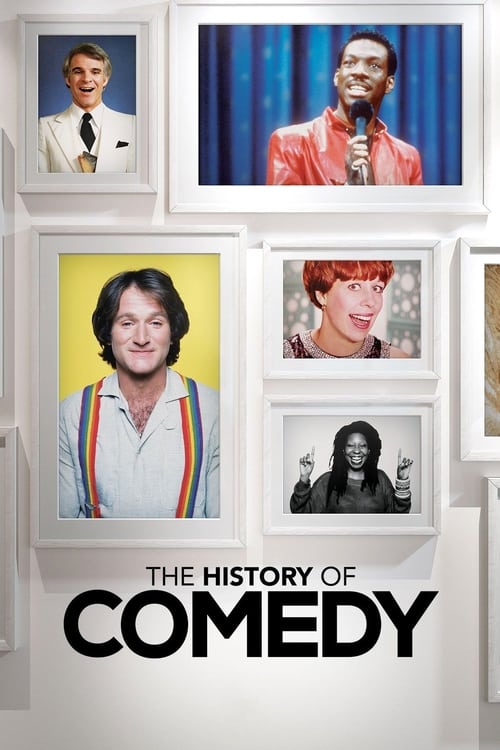
"The History of Comedy" is a documentary series that explores the evolution of comedy through various eras, styles, and cultural influences. The series is structured into several episodes, each focusing on different aspects of comedy, including stand-up, sketch, and the impact of social issues on humor.
The first episode introduces the origins of comedy, tracing back to ancient times. It features clips from early comedic performances and interviews with historians and comedians who discuss how humor has been a part of human culture for centuries. The episode highlights the role of satire in ancient Greece and Rome, showcasing figures like Aristophanes and Plautus, who used comedy to comment on societal norms and politics.
As the series progresses, the second episode delves into the rise of vaudeville and its influence on modern comedy. It presents archival footage of vaudeville acts, emphasizing the variety of performances that included music, dance, and comedy sketches. Interviews with comedians like Mel Brooks and Joan Rivers reveal how vaudeville shaped their careers and the comedic landscape of the 20th century.
The third episode focuses on the golden age of television comedy, highlighting iconic shows such as "I Love Lucy," "The Dick Van Dyke Show," and "The Mary Tyler Moore Show." The episode discusses how these shows broke new ground in terms of representation and storytelling, featuring interviews with cast members and writers who share behind-the-scenes anecdotes. The impact of these shows on American culture and their lasting legacy is a central theme.
In the fourth episode, the series examines the evolution of stand-up comedy, featuring prominent comedians like Richard Pryor, George Carlin, and Joan Rivers. The episode showcases their groundbreaking performances and how they tackled taboo subjects, pushing the boundaries of what was acceptable in comedy. The emotional weight of their stories is highlighted through personal interviews, revealing their motivations and struggles in the industry.
The fifth episode shifts focus to the role of comedy in addressing social issues, particularly during the civil rights movement and the Vietnam War. It features comedians who used their platforms to speak out against injustice, including Dick Gregory and Lenny Bruce. The episode illustrates how comedy can serve as a powerful tool for social commentary, with clips from performances that resonated with audiences during turbulent times.
The sixth episode explores the rise of alternative comedy in the 1990s, highlighting the emergence of comedians like Ellen DeGeneres and Louis C.K. The episode discusses how this new wave of comedians challenged traditional norms and brought fresh perspectives to the comedy scene. Interviews with contemporary comedians reflect on the influence of their predecessors and the changing landscape of humor.
The final episode of the series looks at the future of comedy, considering the impact of the internet and social media on comedic expression. It features discussions on how platforms like YouTube and Twitter have democratized comedy, allowing diverse voices to emerge. The episode concludes with reflections from comedians on the importance of humor in navigating an increasingly complex world, emphasizing the enduring power of laughter.
Throughout the series, the narrative is interwoven with clips from various comedic performances, providing a rich tapestry of the history of comedy. Each episode builds on the previous one, creating a comprehensive overview of how comedy has evolved and its significance in society.









What is the ending?
The History of Comedy concludes by exploring the evolution of comedy through various eras and styles, emphasizing the impact of social and political contexts on humor. The series wraps up by reflecting on the resilience of comedy as a form of expression, showcasing how comedians adapt to changing times and societal norms.
As the final episode unfolds, it begins with a montage of iconic comedic moments from different decades, illustrating the diverse styles that have emerged over time. The screen fills with clips of stand-up performances, sitcoms, and sketch shows, each representing a unique voice in the comedy landscape. The laughter of audiences echoes, creating a sense of nostalgia and connection to the past.
Transitioning into the next scene, the narrative shifts to interviews with contemporary comedians who discuss the challenges they face in today's world. They express their motivations for using humor to address serious issues, such as race, gender, and politics. The emotional weight of their words is palpable, as they share personal stories of how comedy has helped them cope with adversity and connect with others.
In a pivotal moment, the episode highlights the legacy of trailblazing comedians who broke barriers, such as Richard Pryor and Joan Rivers. Their contributions are celebrated through clips of their groundbreaking performances, showcasing their fearless approach to tackling taboo subjects. The screen captures the audience's reactions, a mix of laughter and contemplation, underscoring the power of comedy to provoke thought and inspire change.
As the series nears its conclusion, it emphasizes the importance of comedy in fostering dialogue. Comedians reflect on their roles as social commentators, using humor to challenge the status quo. The emotional resonance of their experiences is evident as they discuss the responsibility that comes with their platform.
The final scenes bring the narrative full circle, returning to the idea that comedy is a reflection of society. The episode closes with a powerful statement about the enduring nature of humor, suggesting that no matter the challenges faced, laughter will always find a way to emerge. The screen fades to black, leaving viewers with a sense of hope and the understanding that comedy will continue to evolve, adapting to the times while remaining a vital part of the human experience.
Is there a post-credit scene?
The History of Comedy, produced in 2017, does not feature any post-credit scenes. The series is structured as a documentary, exploring the evolution of comedy through various episodes that delve into different themes, styles, and influential figures in the comedic landscape. Each episode concludes with a summary of the topics discussed, but there are no additional scenes or content after the credits roll. The focus remains on the rich history and analysis of comedy rather than on narrative storytelling that would typically include post-credit scenes.
What specific comedic styles are explored in the series?
The series delves into various comedic styles such as stand-up, sketch comedy, and improvisation, highlighting how each style has evolved over time and influenced the comedy landscape.
Which notable comedians are featured in the series and what are their contributions?
The series features a range of notable comedians including George Carlin, Joan Rivers, and Richard Pryor, showcasing their unique contributions to comedy and how their personal experiences shaped their comedic voices.
How does the series address the impact of social issues on comedy?
The series examines how comedians have used humor to address social issues such as race, gender, and politics, illustrating the tension between comedy and societal norms through specific examples from various eras.
What role does the audience play in the evolution of comedy as depicted in the series?
The series emphasizes the relationship between comedians and their audiences, exploring how audience reactions have influenced comedic timing, content, and the overall success of comedic acts.
How does the series portray the evolution of television comedy?
The series traces the evolution of television comedy from early sitcoms to modern-day shows, highlighting key moments and shifts in style, format, and audience engagement that have defined the genre.
Is this family friendly?
"The History of Comedy," produced in 2017, explores the evolution of comedy through various eras and styles, featuring interviews with comedians, clips from classic routines, and discussions about the impact of humor on society. While the show aims to celebrate comedy, it does include some potentially objectionable or upsetting aspects that may not be suitable for children or sensitive viewers.
-
Mature Themes: The series discusses topics such as race, gender, and sexuality in the context of comedy, which may include sensitive or controversial material.
-
Strong Language: Some segments feature comedians who use profanity or adult language, reflecting the raw nature of stand-up comedy.
-
Dark Humor: The show touches on darker aspects of humor, including jokes about death, mental health, and societal issues that may be distressing to some viewers.
-
Graphic Content: Certain clips from stand-up routines may include graphic or explicit content that could be inappropriate for younger audiences.
-
Candid Discussions: Interviews may include personal stories from comedians that delve into struggles with addiction, depression, or personal trauma, which could be upsetting for sensitive viewers.
Overall, while the series is an insightful exploration of comedy, it contains elements that may not be suitable for all audiences, particularly children. Viewer discretion is advised.