







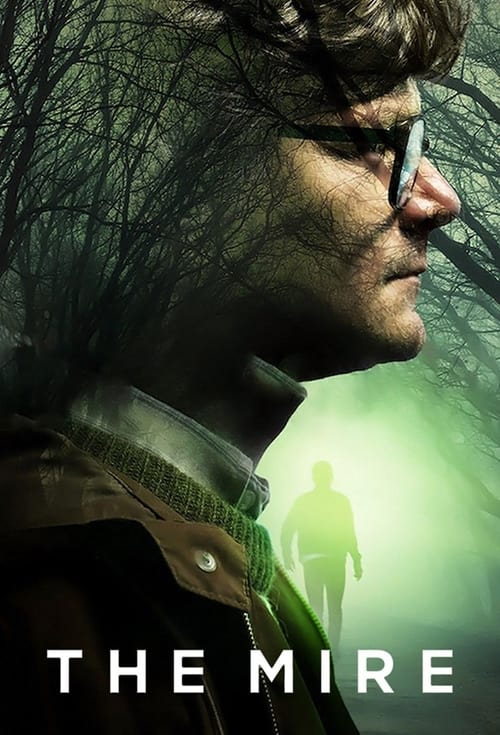
Popular
What is the significance of the mysterious signs that appear throughout the series?
How does the character of Marius evolve throughout the season?
What role does the town's history play in the unfolding events of the story?
How do the relationships between the main characters develop in response to the signs?
What is the impact of the signs on the community's psyche?
Should I watch it?
Ask Your Own Question

What is the plot?
In the small town of Kłodawa, Poland, the story begins with a series of mysterious events that unsettle the community. The local police, led by the determined and emotionally burdened officer, Daniel, are called to investigate a gruesome discovery: a body is found in the woods, leading to a sense of dread among the townsfolk. Daniel is haunted by the recent death of his wife, which adds to his emotional turmoil as he grapples with his responsibilities.
As the investigation unfolds, Daniel discovers that the victim is linked to a series of disappearances in the area. He interviews various townspeople, including a reclusive farmer named Marek, who seems to know more than he lets on. Marek's demeanor is suspicious, and Daniel feels an instinctual distrust towards him. The tension in the town escalates as rumors spread, and the community begins to turn on each other, revealing underlying secrets and fears.
Meanwhile, Daniel's teenage daughter, who is struggling with her own grief and the changes in her family, becomes increasingly involved in the investigation. She stumbles upon clues that lead her to believe that the disappearances are connected to a local cult that has been operating in secrecy. Her determination to uncover the truth puts her in danger, as she becomes a target for those who wish to keep the cult's activities hidden.
As Daniel delves deeper into the case, he uncovers a web of deceit that involves several prominent figures in the town. He confronts the mayor, who is dismissive and tries to downplay the situation, insisting that the town's reputation must be protected. This confrontation reveals the mayor's own motivations, as he is more concerned about his political standing than the safety of the community.
The investigation takes a dark turn when Daniel receives a threatening message, warning him to stop digging into the past. This only fuels his resolve to find the truth, but it also puts his daughter at risk. In a tense scene, she is confronted by members of the cult, who attempt to intimidate her into silence. She narrowly escapes, but the encounter leaves her shaken and more determined than ever to help her father.
As the climax approaches, Daniel and his daughter piece together the evidence that points to a ritualistic element in the disappearances. They discover that the cult is planning a significant event that coincides with the upcoming full moon. With time running out, they race against the clock to gather enough evidence to expose the cult and prevent further violence.
In a gripping confrontation, Daniel and his daughter infiltrate the cult's gathering. The atmosphere is charged with tension as they witness the cult members performing a dark ritual. Daniel's heart races as he realizes the extent of the danger they are in. He musters the courage to confront the cult leader, leading to a chaotic struggle. The fight is intense, with Daniel using his training as a police officer to defend himself and protect his daughter.
The climax reaches a fever pitch as the cult members turn on Daniel and his daughter. In a desperate bid for survival, they manage to escape, but not without sustaining injuries. The emotional toll of the night weighs heavily on them, as they realize the depth of the darkness that has permeated their town.
In the aftermath, Daniel and his daughter work with the police to bring the cult to justice. The community begins to heal, but the scars of the events linger. Daniel reflects on his journey, grappling with his loss and the impact of the investigation on his family. The final scenes show the town slowly returning to normal, but the shadows of the past remain, hinting at the unresolved issues that still haunt Kłodawa.






What is the ending?
In the ending of "Signs," season 1, the main character, a detective named Kaja, confronts the truth about her family's past and the events surrounding a series of mysterious deaths in her town. The season culminates in a tense showdown that reveals the identity of the killer and the motivations behind the crimes. Kaja's journey leads her to a place of acceptance and understanding, as she reconciles her personal demons and the impact of the past on her present.
As the final episode unfolds, the tension in the air is palpable. Kaja, having pieced together the clues throughout the season, finds herself in a dimly lit warehouse, the site of the final confrontation. The atmosphere is thick with dread, and the shadows seem to whisper secrets of the past. Kaja's heart races as she recalls the faces of the victims, each one a reminder of the pain that has gripped her community.
Scene by scene, the narrative unfolds:
The episode opens with Kaja standing alone in the warehouse, her breath visible in the cold air. She clutches a flashlight, its beam cutting through the darkness. The silence is deafening, broken only by the distant sound of dripping water. Kaja's internal struggle is evident; she is torn between her duty as a detective and her emotional turmoil stemming from her family's history. The weight of her past looms over her, and she knows that confronting the killer is not just about justice, but also about her own healing.
Suddenly, a noise echoes from the shadows, and Kaja's instincts kick in. She moves cautiously, her heart pounding in her chest. The camera follows her closely, capturing the tension in her movements. As she turns a corner, she comes face to face with the killer, a figure shrouded in darkness. The confrontation is electric, filled with unspoken words and unresolved emotions. The killer, revealed to be someone from Kaja's past, taunts her with memories that cut deep.
Kaja's anger and fear collide as she demands answers. The killer reveals their twisted motivations, rooted in a desire for revenge against the town that wronged them. The emotional stakes rise as Kaja realizes that this confrontation is not just about the lives lost, but also about her own family's legacy. The killer's words resonate with her, forcing her to confront the painful truths she has tried to bury.
As the standoff escalates, Kaja's determination shines through. She refuses to back down, her resolve hardening as she recalls the faces of the victims. In a moment of clarity, she understands that she must not only stop the killer but also break the cycle of violence that has plagued her family. The tension reaches its peak as Kaja makes a bold move, using her training to disarm the killer. The struggle is intense, filled with physicality and raw emotion, as Kaja fights not just for her life, but for the lives of those who have suffered.
In the aftermath of the confrontation, Kaja stands over the subdued killer, her breath heavy with exertion. The warehouse is now filled with the sounds of sirens approaching, a sign that help is on the way. Kaja's expression is a mix of relief and sorrow; she has faced her demons, but the scars remain. As she walks out of the warehouse, the weight of her family's past begins to lift, replaced by a sense of purpose.
The final scenes show Kaja returning to her community, where she is met with a mix of gratitude and grief. The townspeople gather, their faces reflecting the pain of loss but also the hope for healing. Kaja's journey has not only brought justice but has also opened the door for reconciliation. She stands among them, a symbol of resilience, ready to help her community rebuild.
In the closing moments, Kaja looks out over the town, her expression contemplative. The camera pans out, capturing the landscape that has been both a source of pain and a place of healing. The season ends on a note of cautious optimism, as Kaja embraces her role as a protector, determined to ensure that the past does not repeat itself. Each character's fate is intertwined with Kaja's journey, as they all seek to find peace in the aftermath of tragedy.
Is there a post-credit scene?
In the show "Signs," season 1, there is no post-credit scene. The episodes conclude without any additional scenes or content after the credits roll. Each episode wraps up its narrative arcs, leaving viewers with a sense of closure, albeit often with lingering questions about the overarching mystery and character developments. The focus remains on the unfolding drama and the emotional journeys of the characters throughout the episodes.
What is the significance of the mysterious signs that appear throughout the series?
The mysterious signs serve as a catalyst for the characters' journeys, representing both a literal and metaphorical guide to their personal struggles and the unfolding mystery. Each sign is intricately tied to the characters' emotional states and decisions, pushing them to confront their pasts and the secrets they hold.
How does the character of Marius evolve throughout the season?
Marius begins as a deeply troubled individual, grappling with guilt and a sense of isolation. As the season progresses, he is forced to confront his past actions and the impact they have on his present relationships. His evolution is marked by moments of vulnerability, as he seeks redemption and connection with others, particularly with his estranged family.
What role does the town's history play in the unfolding events of the story?
The town's history is intricately woven into the narrative, with past events influencing the current dynamics among the characters. The legacy of unresolved traumas and secrets from the town's past creates a haunting backdrop that shapes the characters' motivations and the unfolding mystery surrounding the signs.
How do the relationships between the main characters develop in response to the signs?
The relationships between the main characters are deeply affected by the signs, as they often serve as a mirror reflecting their inner conflicts and desires. For instance, Marius's interactions with his family become more strained and complex as the signs reveal hidden truths, leading to moments of confrontation and reconciliation that are pivotal to their character arcs.
What is the impact of the signs on the community's psyche?
The signs create a palpable tension within the community, leading to a mix of fear, curiosity, and paranoia among the residents. As the signs become more frequent and ominous, they catalyze a collective response that reveals the underlying fractures in the community, forcing characters to confront their beliefs and the reality of their situation.
Is this family friendly?
"Signs," season 1, produced in 2018, contains several elements that may not be suitable for children or sensitive viewers. Here are some potentially objectionable or upsetting aspects:
-
Mature Themes: The show deals with heavy themes such as loss, grief, and existential questions, which may be difficult for younger audiences to process.
-
Violence: There are scenes that depict violence or threats, which could be distressing. The tension often escalates, leading to confrontations that may be intense.
-
Psychological Tension: The atmosphere is often filled with suspense and psychological tension, which can create a sense of unease.
-
Emotional Distress: Characters experience significant emotional turmoil, including fear, anxiety, and despair, which may resonate deeply with sensitive viewers.
-
Dark Imagery: The visual style includes dark and moody cinematography that may be unsettling, particularly in scenes that explore the unknown or supernatural elements.
-
Death and Grief: The narrative includes references to death and the impact it has on families, which can be a sensitive topic for children.
These elements contribute to a tone that may not be appropriate for all audiences, particularly younger viewers or those who are sensitive to such themes.