






Popular
What role does the character of the detective play in the unfolding mystery?
What motivates the character of Kajetan to pursue the truth about the past?
How does the relationship between Kajetan and his girlfriend, Slawek, evolve throughout the series?
How does the alternate history of Poland in 1983 affect the characters' daily lives?
What is the significance of the secret organization that Kajetan discovers?
Should I watch it?
Ask Your Own Question

What is the plot?
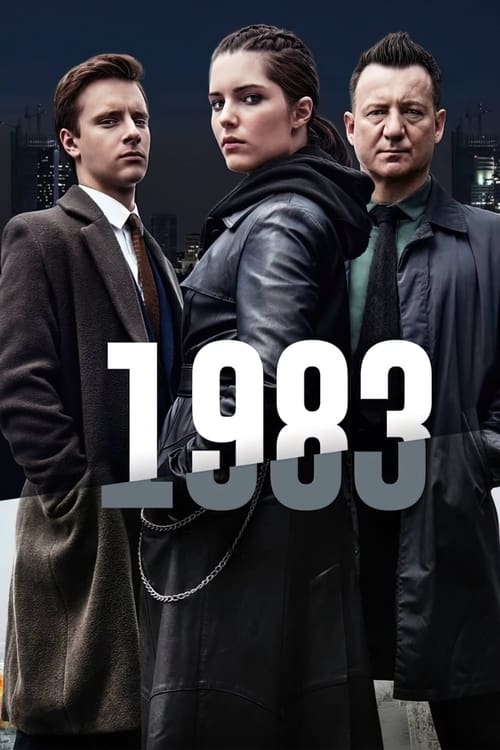
In an alternate history where the Iron Curtain never fell, the series begins in 1983 Poland, where a young student named Kajetan is introduced. He is passionate about the underground movement against the oppressive regime. Kajetan's life takes a dramatic turn when he discovers a hidden file that contains evidence of a conspiracy involving the government and a mysterious organization known as the "System." This file reveals that the government is involved in a cover-up regarding a terrorist attack that occurred years earlier.
As Kajetan delves deeper into the file, he becomes increasingly aware of the dangers surrounding him. He confides in his friend, a fellow student named Maja, who is skeptical but ultimately supportive. Together, they begin to investigate the implications of the file, leading them to uncover connections between the System and high-ranking officials in the government. Their investigation is fraught with tension, as they are constantly aware of the surveillance and threats posed by the authorities.
Meanwhile, in a parallel storyline, a police officer named Anatol is introduced. He is tasked with investigating the underground movements and is portrayed as a conflicted character, torn between his duty to the state and his growing disillusionment with the regime. As he follows leads, he becomes increasingly suspicious of the System and its influence on the government. His internal struggle intensifies as he witnesses the brutality of the regime against dissenters.
Kajetan and Maja's investigation leads them to a secret meeting of dissidents, where they learn about a planned protest against the government. They decide to participate, believing it could be a turning point in their fight for freedom. However, the protest is violently suppressed by the authorities, resulting in chaos and arrests. Kajetan narrowly escapes but is left shaken by the brutality he witnesses.
In the aftermath of the protest, Kajetan and Maja go into hiding, fearing for their lives. They seek refuge with a group of underground activists who are planning a more significant operation to expose the government's corruption. During this time, Kajetan's resolve strengthens, and he becomes determined to bring the truth to light, even if it means risking everything.
Anatol, now more deeply involved in the investigation of the dissidents, begins to piece together the connections between the System and the government. He discovers that the conspiracy goes deeper than he initially thought, involving not just local officials but also international players. His investigation leads him to cross paths with Kajetan and Maja, creating a tense dynamic as their goals align but their methods differ.
As the series progresses, the stakes escalate. Kajetan and Maja, along with their group of activists, plan a bold operation to leak the information they have gathered to the public. They devise a plan to infiltrate a government facility where sensitive documents are stored. The operation is meticulously planned, but as they execute it, they encounter unexpected obstacles, including increased security and the presence of Anatol, who is now on high alert.
The infiltration scene is tense and action-packed. Kajetan and Maja navigate through the facility, using their wits and training to avoid detection. They manage to access the documents, but just as they are about to escape, they are confronted by Anatol. A standoff ensues, with Kajetan pleading for Anatol to understand their cause. Anatol, torn between his duty and his growing sympathy for the dissidents, hesitates, allowing Kajetan and Maja to escape.
In the climax of the series, Kajetan and Maja successfully leak the information to the press, causing a public outcry against the government. The regime responds with increased repression, leading to widespread protests across the country. The tension reaches a boiling point as the government attempts to quell the dissent with force.
The series concludes with a powerful scene of mass protests, where the people rise against the regime, inspired by the revelations brought to light by Kajetan and Maja. The final moments depict the uncertainty of the future, as the characters reflect on the sacrifices made and the ongoing struggle for freedom. The screen fades to black, leaving the audience with a sense of hope amidst the chaos.






What is the ending?
In the ending of "1983," the main characters face the culmination of their struggles against a totalitarian regime. The series concludes with a dramatic confrontation that leads to significant sacrifices and revelations about loyalty, betrayal, and the quest for freedom.
As the final episodes unfold, we see the characters grappling with their choices and the oppressive world around them. The protagonist, Kajetan, is deeply entrenched in the fight against the regime, driven by a desire for justice and truth. His journey leads him to confront the dark realities of the system he seeks to dismantle.
In a tense climax, Kajetan and his allies execute a plan to expose the regime's corruption. They gather crucial evidence that could turn public opinion against the government. However, this act of defiance comes at a high cost. Kajetan's closest ally, a journalist named Róża, faces grave danger as she risks everything to help him.
The final scenes are marked by a sense of urgency and desperation. As Kajetan and Róża attempt to escape the clutches of the regime, they are pursued relentlessly. The emotional weight of their choices hangs heavy in the air, as they reflect on their motivations and the sacrifices they must make for the greater good.
In the end, Kajetan is captured, but not before he manages to leak the information that could ignite a revolution. Róża, witnessing his sacrifice, is left with a profound sense of loss but also a renewed determination to continue the fight for freedom. The series closes on a note of uncertainty, leaving viewers to ponder the future of the characters and the society they inhabit.
Expanded Narrative:
The final episodes of "1983" begin with a palpable tension in the air. Kajetan, portrayed with a mix of resolve and vulnerability, is seen pacing in a dimly lit room, the weight of his mission pressing down on him. He knows that the evidence he has gathered could change everything, but the risks are monumental. His heart races as he recalls the faces of those who have suffered under the regime, fueling his determination.
Meanwhile, Róża, the journalist who has become his confidante and ally, is preparing for the dangerous task ahead. Her hands tremble slightly as she types out a message to their contacts, knowing that one wrong move could lead to their undoing. The stakes are high, and the atmosphere is thick with anxiety. She shares a moment of quiet reflection with Kajetan, their eyes locking in a silent understanding of the peril they face.
As they set their plan into motion, the scene shifts to a bustling city square, where the regime's propaganda is on full display. The contrast between the vibrant life of the city and the oppressive atmosphere created by the government is stark. Kajetan and Róża navigate through the crowd, their hearts pounding as they approach the location where they intend to release the information.
Suddenly, chaos erupts. The regime's forces, tipped off about their plan, descend upon the square. The sound of sirens blares, and panic ensues. Kajetan and Róża sprint through the throngs of people, adrenaline coursing through their veins. They exchange glances filled with both fear and determination, knowing that their fight is not just for themselves but for the future of their country.
In a heart-stopping moment, Kajetan is cornered by the regime's agents. Róża, witnessing the confrontation, feels a surge of desperation. She shouts his name, but the chaos drowns her voice. Kajetan, realizing the gravity of the situation, makes a split-second decision. He hands Róża the flash drive containing the evidence, urging her to escape and continue the fight without him.
As Róża flees, tears streaming down her face, Kajetan is taken into custody. The camera lingers on his face, a mixture of defiance and resignation. He knows that his sacrifice may be the catalyst for change, but the uncertainty of his fate looms large. The regime's agents drag him away, and the weight of his choices hangs heavy in the air.
The final scenes shift to Róża, who, despite her heartbreak, channels her grief into action. She becomes a symbol of resistance, rallying others to join the cause. The series concludes with her standing before a crowd, the evidence of the regime's corruption in hand, ready to ignite the spark of revolution. The screen fades to black, leaving viewers with a sense of hope intertwined with the harsh realities of their world.
In the end, Kajetan's fate remains uncertain, but his legacy is clear. Róża, now a leader in the fight for freedom, embodies the spirit of resilience and determination. The series closes, leaving the audience to reflect on the sacrifices made and the ongoing struggle for justice in a world shrouded in darkness.
Is there a post-credit scene?
The TV show "1983," produced in 2018, does not feature a post-credit scene. The series concludes its narrative without any additional scenes after the credits roll. The final moments of the show focus on the resolution of the main characters' arcs and the implications of their actions within the alternate history presented, leaving viewers with a sense of closure regarding the story's central conflicts.
What role does the character of the detective play in the unfolding mystery?
The detective serves as a complex antagonist, embodying the oppressive state while also showcasing a personal struggle with his own moral compass. He is tasked with maintaining order and suppressing dissent, yet he is haunted by the consequences of his actions. His pursuit of Kajetan adds layers of tension, as he represents both the threat of the regime and the possibility of redemption, creating a cat-and-mouse dynamic that heightens the stakes of the narrative.
What motivates the character of Kajetan to pursue the truth about the past?
Kajetan, a young student, is driven by a deep-seated desire to uncover the truth about the oppressive regime that has shaped his life. His internal conflict is fueled by the loss of his father, who disappeared under mysterious circumstances linked to the government. This personal loss ignites a passion for justice and a need to understand the reality of the world around him, pushing him to investigate the dark secrets of the state.
How does the relationship between Kajetan and his girlfriend, Slawek, evolve throughout the series?
Kajetan and Slawek's relationship begins as a supportive friendship, but as Kajetan delves deeper into the investigation, tensions arise. Slawek, who is more cautious and fearful of the regime's repercussions, struggles to understand Kajetan's reckless pursuit of the truth. This divergence in their motivations creates emotional strain, leading to moments of conflict and ultimately testing the strength of their bond as they navigate the dangers of their reality.
How does the alternate history of Poland in 1983 affect the characters' daily lives?
The alternate history of Poland in 1983 creates a pervasive atmosphere of fear and control, influencing every aspect of the characters' lives. Citizens live under constant surveillance, and the threat of imprisonment looms large, shaping their interactions and decisions. Characters like Kajetan and Slawek must navigate a world where trust is scarce, and the consequences of dissent are dire, leading to a palpable tension that drives their actions and relationships.
What is the significance of the secret organization that Kajetan discovers?
The secret organization represents a glimmer of hope and resistance against the oppressive regime. As Kajetan uncovers its existence, he is drawn into a world of underground activism that challenges the status quo. This discovery not only propels the plot forward but also serves as a catalyst for Kajetan's transformation from a passive observer to an active participant in the fight for freedom, highlighting the themes of courage and rebellion.
Is this family friendly?
The TV show "1983," produced in 2018, is not considered family-friendly and contains several elements that may be objectionable or upsetting for children and sensitive viewers.
-
Violence: The series includes scenes of physical violence, including confrontations and attacks that can be graphic and intense.
-
Mature Themes: The narrative explores heavy themes such as political oppression, corruption, and the impact of a totalitarian regime, which may be difficult for younger audiences to understand.
-
Drug Use: There are depictions of drug use and the drug trade, which are integral to the plot and may not be suitable for children.
-
Sexual Content: The show contains scenes with sexual situations and innuendos that may be inappropriate for younger viewers.
-
Emotional Distress: Characters experience significant emotional turmoil, including betrayal, loss, and existential crises, which could be upsetting for sensitive individuals.
Overall, the series delves into complex and dark subject matter that may not be appropriate for a younger audience.









