






Popular
What motivates the character of Kajetan to pursue his investigation into the events of 1983?
How does the relationship between the characters of Anatol and his father evolve throughout the season?
What role does the character of Laura play in the unfolding of the conspiracy?
What are the key events that lead to the discovery of the truth behind the regime's actions?
How does the setting of 1983 Poland influence the characters' decisions and actions?
Should I watch it?
Ask Your Own Question

What is the plot?
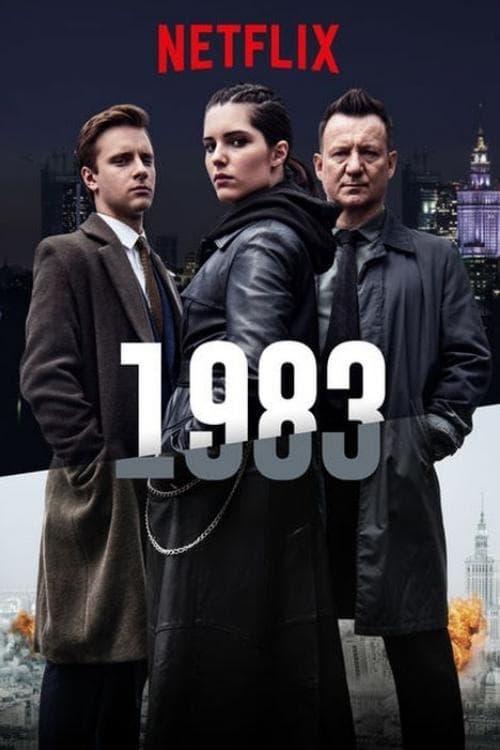
In an alternate history where the Iron Curtain never fell, the series opens in 1983 Poland, where a young student named Kajetan is introduced. He is passionate about his studies and is involved in a secretive group that seeks to uncover the truth behind the government's oppressive regime. Kajetan's life takes a turn when he discovers a hidden file that contains information about a mysterious event that occurred in 1963, which is linked to the government's control over society.
As Kajetan delves deeper into the file, he becomes increasingly aware of the dangers surrounding him. He meets a fellow student, a rebellious girl named Szymon, who shares his desire for freedom and truth. Together, they begin to investigate the implications of the file, which leads them to uncover a conspiracy involving the government and a powerful organization known as the "System." Their investigation is fraught with tension as they evade the watchful eyes of the authorities.
Meanwhile, we are introduced to a character named Anatol, a former police officer who is now a private investigator. He is haunted by his past and the choices he made while serving the regime. Anatol is drawn into the story when he is approached by Kajetan and Szymon, who seek his help in understanding the implications of the file. He is initially reluctant but is compelled by his own desire for redemption and the chance to expose the truth.
As the trio continues their investigation, they face increasing threats from the government. They are pursued by agents who are determined to silence them. In a tense sequence, Kajetan, Szymon, and Anatol narrowly escape an ambush, showcasing their resourcefulness and determination. This escape solidifies their bond and commitment to uncovering the truth, despite the risks involved.
The plot thickens when they discover that the event from 1963 was a catastrophic incident that the government has covered up. This revelation leads them to a hidden location where they believe they can find more evidence. The atmosphere is charged with urgency as they race against time, knowing that the authorities are closing in on them. Their journey takes them through dark alleys and abandoned buildings, heightening the sense of danger.
In a pivotal moment, they confront a high-ranking official who is connected to the conspiracy. This confrontation is fraught with tension, as they attempt to extract information while avoiding detection. The official reveals the extent of the government's manipulation and the lengths they will go to maintain control. This revelation deepens their resolve to expose the truth, but it also puts them in greater peril.
As the series progresses, the characters face personal dilemmas that test their loyalty and courage. Kajetan grapples with the fear of losing his loved ones, while Szymon struggles with the weight of their mission. Anatol, on the other hand, confronts his past decisions and seeks to make amends. These internal conflicts add depth to their characters as they navigate the treacherous landscape of their reality.
The climax of the season builds as they gather enough evidence to make a public statement. They plan a bold move to reveal the truth to the world, but the government is one step ahead. In a dramatic sequence, they are ambushed during their attempt to go public. A chase ensues, filled with close calls and narrow escapes, showcasing their desperation and determination.
In the final moments of the season, the characters are forced to make a choice between their safety and their mission. They decide to stand their ground, leading to a confrontation with the authorities. The season ends on a cliffhanger, leaving their fates uncertain as they fight for their beliefs against overwhelming odds. The emotional weight of their choices hangs heavy, setting the stage for the next chapter in their struggle for freedom.




What is the ending?
In the ending of "1983," the series culminates in a tense confrontation between the main characters, leading to significant revelations and a dramatic shift in their lives. The story concludes with a sense of unresolved tension, leaving the future uncertain for the characters involved.
As the final episodes unfold, we see the characters grappling with their choices and the consequences of their actions. The protagonist, Kajetan, faces the oppressive regime while trying to uncover the truth about the past. His journey intertwines with that of the rebellious student, a young woman named Szymon, who is determined to challenge the status quo. The climax reveals the extent of the government's control and the sacrifices made by those who dare to resist.
In the last scenes, Kajetan's fate is sealed as he confronts the authorities, leading to a poignant moment of realization about the cost of freedom. Szymon, on the other hand, finds himself at a crossroads, forced to make a choice that will define his future. The series ends on a cliffhanger, leaving viewers questioning the characters' next steps and the possibility of change in their dystopian world.
As the final episodes of "1983" unfold, the atmosphere is thick with tension and uncertainty. The narrative begins with Kajetan, who has been deeply entrenched in his investigation into the past and the oppressive regime that governs his life. He is driven by a desire to uncover the truth about the events that shaped his world, particularly the mysterious disappearance of his father. His internal struggle is palpable; he is torn between the safety of conformity and the perilous path of rebellion.
In a dimly lit room, Kajetan meets with Szymon, a young student who embodies the spirit of resistance. Szymon is passionate and idealistic, eager to challenge the status quo. Their conversation is charged with urgency as they discuss the implications of their findings. Szymon's determination to fight against the regime resonates with Kajetan, who feels the weight of his own hesitations. The two characters represent different facets of the struggle for freedom--Kajetan's cautious approach contrasts sharply with Szymon's boldness.
As the climax approaches, the narrative shifts to a clandestine meeting of dissidents. The atmosphere is electric with hope and fear as they strategize their next move against the oppressive government. The stakes are high, and the tension escalates as they realize the risks involved. Each character's motivations are laid bare; they are driven by personal losses, a desire for justice, and the hope for a better future. The audience can feel the palpable fear of being caught, yet there is an undeniable sense of camaraderie among them.
In a pivotal scene, Kajetan and Szymon decide to infiltrate a government facility to gather crucial evidence. The tension is thick as they navigate the dark corridors, their hearts racing with every sound. The visuals are stark, highlighting the oppressive nature of the regime with cold, metallic environments that reflect the characters' internal struggles. As they uncover the truth, they are confronted by the harsh reality of the regime's brutality, leading to a heart-stopping moment where they must decide whether to flee or fight.
The climax reaches its peak when they are discovered by the authorities. A chaotic chase ensues, filled with adrenaline and desperation. Kajetan's protective instincts kick in as he tries to shield Szymon from harm. The emotional stakes are at their highest; Kajetan's fear of losing another loved one clashes with his desire to stand up for what is right. In a moment of sacrifice, Kajetan is captured while Szymon manages to escape, leaving viewers with a heart-wrenching sense of loss.
In the final scenes, Szymon is left to grapple with the consequences of their actions. He stands alone in a darkened alley, the weight of his choices heavy on his shoulders. The camera lingers on his face, capturing the turmoil within him as he contemplates the future. The series closes with a haunting image of Kajetan in captivity, a symbol of the ongoing struggle against oppression. The screen fades to black, leaving the audience with a lingering sense of uncertainty about the fate of both characters and the possibility of change in their dystopian world.
The ending of "1983" encapsulates the themes of sacrifice, resistance, and the quest for truth, leaving viewers to ponder the implications of the characters' journeys and the broader conflict they represent.
Is there a post-credit scene?
In the show "1983," there is no post-credit scene at the end of Season 1. The series concludes its narrative without any additional scenes or teasers after the credits roll. The final moments of the season focus on the culmination of the characters' arcs and the tensions that have built throughout the episodes, leaving viewers with a sense of closure regarding the immediate storyline, while also hinting at the broader implications of the events that have transpired.
What motivates the character of Kajetan to pursue his investigation into the events of 1983?
Kajetan is driven by a deep sense of justice and a personal connection to the past. His investigation is fueled by the loss of his father, who was a victim of the regime's oppressive actions. This personal tragedy instills in him a desire to uncover the truth behind the political machinations that shaped his life and the lives of those around him.
How does the relationship between the characters of Anatol and his father evolve throughout the season?
Anatol's relationship with his father is strained and complex. Initially, Anatol feels overshadowed by his father's legacy and the expectations placed upon him. As the season progresses, Anatol's journey of self-discovery leads him to confront his father's past and the choices he made, ultimately fostering a deeper understanding and reconciliation between them.
What role does the character of Laura play in the unfolding of the conspiracy?
Laura serves as a pivotal character who bridges the gap between the personal and the political. Her involvement in the conspiracy is initially shrouded in mystery, but as the plot unfolds, it becomes clear that her motivations are tied to her own quest for freedom and truth. Her relationship with Kajetan adds emotional depth to the narrative, as they navigate the dangers of their investigation together.
What are the key events that lead to the discovery of the truth behind the regime's actions?
The key events include a series of clandestine meetings, the uncovering of hidden documents, and the testimonies of former regime officials. Each revelation builds tension and propels the characters deeper into danger. The discovery of a secret police file becomes a turning point, as it contains crucial evidence that links the past to the present, igniting a race against time to expose the truth.
How does the setting of 1983 Poland influence the characters' decisions and actions?
The oppressive atmosphere of 1983 Poland, marked by surveillance and fear, profoundly impacts the characters' decisions. The constant threat of the regime shapes their interactions and drives them to act with caution. Characters like Kajetan and Anatol must navigate a landscape filled with mistrust, which influences their alliances and the risks they are willing to take in their pursuit of truth.
Is this family friendly?
"1983" is a dark and intense series that explores themes of political oppression, violence, and societal control. While it is set in an alternate history, the show contains several elements that may not be suitable for children or sensitive viewers.
-
Violence: The series includes scenes of physical violence, including confrontations and attacks that can be graphic and unsettling.
-
Death: Characters face life-threatening situations, and there are depictions of death that can be emotionally impactful.
-
Political Oppression: The narrative delves into themes of government surveillance and authoritarianism, which may be distressing for some viewers.
-
Drug Use: There are references to drug use and the impact of addiction on individuals and society.
-
Mature Themes: The show addresses complex issues such as betrayal, loss, and moral ambiguity, which may be challenging for younger audiences to process.
Overall, "1983" is more suited for mature audiences due to its heavy themes and intense content.









