




























Popular
What motivates the character Rainer Wenger to initiate the experiment in his classroom?
How do the students initially react to the formation of 'The Wave'?
What are the consequences of the students' involvement in 'The Wave'?
How does the character of Marco change throughout the film?
What role does the character of Karo play in the story, and how does she respond to 'The Wave'?
Should I watch it?
Ask Your Own Question

What is the plot?
Sorry, we aren't able to watch and write up a full detailed plot yet. Check back in a few days.








What is the ending?
In the ending of "The Wave," the experiment spirals out of control, leading to chaos and violence. The protagonist, Mr. Wenger, realizes the dangers of the movement he created and tries to dismantle it. However, the students are deeply entrenched in their newfound identity. The climax occurs during a rally where Mr. Wenger confronts the students, revealing the truth about the experiment. The film concludes with a somber reflection on the consequences of blind obedience and the fragility of democracy.
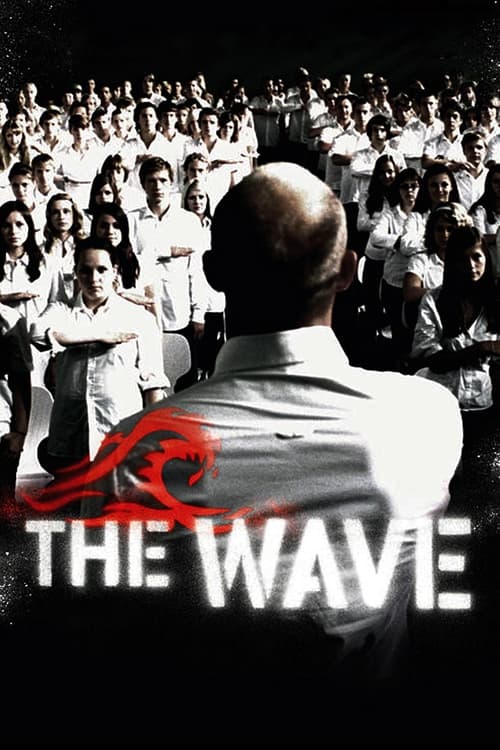
As the film approaches its climax, the atmosphere in the classroom shifts dramatically. Mr. Wenger, the teacher, stands before his students, who have become increasingly absorbed in the authoritarian movement he inadvertently initiated. The once-experimental group, known as "The Wave," has transformed into a fervent collective, marked by a sense of unity that borders on fanaticism.
In a pivotal scene, Mr. Wenger, realizing the extent of the movement's influence, decides to confront his students. He organizes a rally, intending to expose the dangers of their blind allegiance. The tension in the air is palpable as students gather, their faces a mix of excitement and fervor. The camera captures their eager expressions, reflecting the intoxicating power they feel as part of The Wave.
As the rally begins, Mr. Wenger steps onto the stage, his heart heavy with the weight of his responsibility. He looks out at the sea of faces, now filled with a fervent loyalty to The Wave. He attempts to dismantle the movement by revealing its true nature, urging them to see the parallels between their actions and historical totalitarian regimes. His voice trembles with urgency as he implores them to remember the values of individuality and democracy.
However, the students, caught up in the momentum of their collective identity, resist his message. The atmosphere shifts from anticipation to hostility as some students begin to shout in support of The Wave, drowning out Mr. Wenger's voice. The camera zooms in on their faces, now filled with a mix of anger and confusion, illustrating the internal conflict brewing within them.
In a moment of desperation, Mr. Wenger reveals that The Wave was an experiment, a lesson in the dangers of conformity. He shows them a video montage of the movement's progression, highlighting the escalating violence and the loss of individual thought. The students' expressions shift from fervor to shock as they begin to grasp the implications of their actions.
As the rally descends into chaos, some students lash out, unable to reconcile their actions with the reality of the situation. The emotional turmoil is evident as friends turn against each other, and the once-unified group fractures under the weight of their choices. The camera captures the chaos, with students shouting and pushing one another, embodying the very essence of the authoritarianism they had embraced.
In the aftermath, the film takes a somber turn. Mr. Wenger, disheartened by the consequences of his experiment, reflects on the fragility of democracy and the ease with which individuals can be swept up in a collective ideology. The final scenes depict the students grappling with the fallout of their actions, some feeling guilt and remorse, while others remain in denial.
The fate of the main characters is stark. Mr. Wenger, burdened by the realization of his role in the chaos, is left to ponder the ethical implications of his teaching methods. His journey serves as a cautionary tale about the responsibilities of educators. Meanwhile, students like Laurie, who initially embraced The Wave, are left to confront the loss of friendships and the moral dilemmas they faced. The film closes on a reflective note, emphasizing the importance of critical thinking and the dangers of blind obedience, leaving the audience with a haunting reminder of the power of groupthink.
Is there a post-credit scene?
The movie "The Wave" (original title: "Die Welle"), produced in 2008, does not have a post-credit scene. The film concludes with a powerful and unsettling ending that leaves the audience reflecting on the events that transpired. After the intense climax, where the experiment spirals out of control, the story wraps up without any additional scenes or epilogues during or after the credits. The focus remains on the impact of the experiment on the students and their teacher, emphasizing the themes of authority, conformity, and the darker aspects of human nature.
What motivates the character Rainer Wenger to initiate the experiment in his classroom?
Rainer Wenger, a high school teacher, is motivated by a desire to engage his students in a meaningful way and to demonstrate the dangers of autocracy and conformity. Frustrated by their lack of interest in a project about autocracy, he decides to create a live experiment to show them how easily people can be manipulated into following a leader.
How do the students initially react to the formation of 'The Wave'?
Initially, the students are intrigued and excited by the formation of 'The Wave'. They feel a sense of belonging and empowerment as they adopt the group's principles, which include discipline, community, and unity. This newfound camaraderie leads to a surge in school spirit and participation, making them feel part of something larger.
What are the consequences of the students' involvement in 'The Wave'?
As the experiment progresses, the consequences become increasingly severe. Students who were once friends begin to turn against each other, and the atmosphere in the school shifts from one of camaraderie to one of fear and aggression. The group dynamics lead to bullying, exclusion, and a loss of individuality, showcasing the darker side of groupthink.
How does the character of Marco change throughout the film?
Marco starts as a rebellious student who is skeptical of authority. However, as 'The Wave' gains momentum, he becomes one of its most fervent supporters, drawn in by the sense of belonging and power it provides. This transformation highlights his internal conflict as he grapples with the loss of his individuality and the moral implications of his actions.
What role does the character of Karo play in the story, and how does she respond to 'The Wave'?
Karo, a strong-willed student, initially supports 'The Wave' but soon becomes critical of its effects. As she witnesses the negative changes in her peers and the escalating aggression, she becomes increasingly alarmed. Karo's character serves as a moral compass, challenging the group's ideology and ultimately standing up against the oppressive nature of 'The Wave'.
Is this family friendly?
The movie "The Wave" (2008) is not considered family-friendly and contains several potentially objectionable or upsetting scenes that may affect children or sensitive viewers. Here are some aspects to be aware of:
-
Violence and Aggression: The film explores themes of authoritarianism and groupthink, leading to scenes of physical confrontations and aggressive behavior among students.
-
Psychological Manipulation: The narrative delves into the psychological effects of conformity and peer pressure, which may be unsettling for younger audiences.
-
Intense Emotional Conflict: Characters experience significant emotional turmoil, including feelings of fear, betrayal, and loss of control, which could be distressing.
-
Themes of Control and Oppression: The film portrays the rise of a cult-like movement, which may be disturbing as it reflects real historical events related to totalitarian regimes.
-
Moral Dilemmas: Characters face challenging moral choices that lead to ethical conflicts, which may provoke anxiety or discomfort in viewers.
These elements contribute to a tense atmosphere that may not be suitable for all audiences, particularly children or those sensitive to themes of violence and psychological distress.









