













Loading additional questions...
Popular
What motivates Jana Liekam to take risks in her career at the bank?
How does the relationship between Jana and her mentor, Gabriel Fenger, evolve throughout the series?
What role does the financial crisis play in the decisions made by the characters?
How does the character of Adam Kossmann influence the plot and Jana's decisions?
What are the consequences of the unethical practices employed by the bank's executives?
Should I watch it?
Ask Your Own Question

What is the plot?
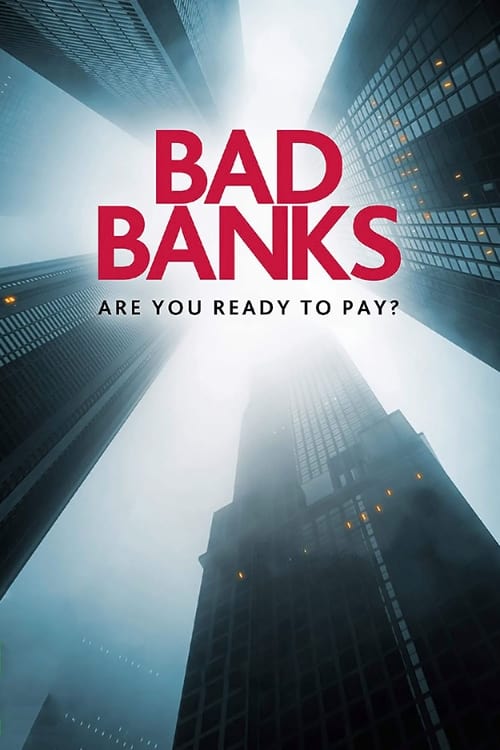
In the opening of "Bad Banks," we are introduced to the main character, Jana Liekam, a talented and ambitious investment banker working at a prestigious bank in Frankfurt. She is shown navigating the high-stakes world of finance, where she is under pressure to perform and meet the expectations of her superiors. Jana is portrayed as determined and skilled, but also somewhat naive about the darker aspects of the banking industry.
As the story unfolds, Jana is unexpectedly laid off from her job due to a merger. This event shakes her confidence and leaves her feeling vulnerable. She struggles to find a new position in the competitive banking sector, which is rife with cutthroat competition and ethical dilemmas. During this time, she reconnects with her former mentor, the enigmatic and morally ambiguous banker, Gabriel Fenger. He offers her a position at his new investment firm, which specializes in high-risk financial products.
Jana's decision to join Fenger's firm marks a turning point in her life. She is drawn to the allure of power and the promise of success, but she is also aware of the ethical compromises that come with it. As she settles into her new role, she witnesses the aggressive tactics employed by Fenger and his team to secure lucrative deals. The atmosphere is tense, and Jana begins to feel the weight of the moral implications of their work.
As the plot progresses, Jana becomes embroiled in a high-stakes deal involving a major German bank and a controversial investment in a failing company. The deal is fraught with risks, and Jana is torn between her ambition and her growing unease about the ethical ramifications of their actions. She starts to question the integrity of her colleagues and the methods they use to achieve their goals.
Tensions escalate when Jana discovers that Fenger is involved in illegal activities, including insider trading and manipulation of financial markets. She grapples with her loyalty to him and her own moral compass. In a pivotal moment, she confronts Fenger about his actions, but he dismisses her concerns, insisting that the ends justify the means. This confrontation deepens Jana's internal conflict and forces her to reevaluate her choices.
As the deal progresses, Jana becomes increasingly entangled in the web of deceit and corruption. She witnesses the fallout from their actions, including the impact on innocent employees and the broader financial system. The pressure mounts as regulatory bodies begin to investigate the firm, and Jana realizes that her career and freedom are at stake.
In a desperate bid to protect herself, Jana decides to gather evidence against Fenger and the firm. She secretly documents their illegal activities, hoping to use the information as leverage. However, her actions put her in grave danger, as Fenger and his associates become suspicious of her intentions. The tension reaches a boiling point when Jana is confronted by Fenger, who threatens her to keep her silence.
The climax of the series occurs when Jana must make a choice between her career and her conscience. She ultimately decides to go public with the evidence she has collected, exposing the corruption within the firm. This decision leads to a dramatic fallout, with Fenger and his associates facing legal repercussions. Jana's actions not only jeopardize her own safety but also put her in a position of power as she takes a stand against the unethical practices in the banking industry.
In the aftermath, Jana faces the consequences of her choices. She is both celebrated and vilified for her actions, navigating the complex landscape of public opinion and personal sacrifice. The series concludes with Jana reflecting on her journey, the cost of ambition, and the moral complexities of the financial world, leaving her future uncertain but resolute in her commitment to integrity.








What is the ending?
In the ending of "Bad Banks," the main character, Jana Liekam, finds herself entangled in a web of betrayal and moral dilemmas. After a series of intense confrontations and strategic maneuvers, she ultimately decides to take a stand against the corrupt practices within the banking industry. The series concludes with her making a significant choice that impacts her future and the lives of those around her.
As the final episodes unfold, we see Jana grappling with the consequences of her actions. The tension escalates when she confronts her former mentor, the ruthless banker, and faces the reality of the corrupt world she has been a part of. In a climactic moment, she chooses to expose the unethical dealings of her colleagues, risking her career and safety. This decision marks a turning point for her character, showcasing her growth from a willing participant in the system to a whistleblower seeking justice.
The fate of the main characters is revealed in the aftermath of Jana's choices. Her mentor faces legal repercussions, while Jana herself must navigate the fallout of her actions, leaving her future uncertain but filled with a sense of purpose. The series ends on a note of ambiguity, reflecting the ongoing struggles within the financial world and the personal sacrifices made in the pursuit of integrity.
As the final episodes of "Bad Banks" unfold, the atmosphere is thick with tension and uncertainty. The camera pans over the sleek, modern offices of the bank, where the hum of activity contrasts sharply with the internal turmoil of the characters. Jana Liekam, portrayed with a mix of determination and vulnerability, is at the center of this storm.
In the first scene of the finale, we find Jana in a dimly lit conference room, her face illuminated by the glow of her laptop screen. She is reviewing documents that detail the corrupt practices of her colleagues, her heart racing as she contemplates the implications of what she has discovered. The weight of her decision hangs heavily on her shoulders; she knows that exposing the truth could cost her everything, yet the thought of remaining complicit in the corruption gnaws at her conscience.
The scene shifts to a confrontation between Jana and her former mentor, the powerful banker who has been a guiding force in her career. They meet in a lavish office, the walls adorned with accolades and the air thick with unspoken tension. Jana's voice trembles as she confronts him about the unethical dealings she has uncovered. The mentor, initially calm and collected, becomes increasingly agitated, revealing the ruthless nature that has driven him to the top. The dialogue crackles with intensity as Jana stands her ground, her internal conflict evident in her clenched fists and determined gaze.
As the confrontation escalates, the stakes become clear. Jana realizes that her mentor will stop at nothing to protect his empire, and she must make a choice: to remain silent and safe or to risk everything for the sake of integrity. The camera captures the moment of decision, a close-up of Jana's face as she steels herself for what comes next.
In the following scene, we see Jana in a bustling café, her hands shaking as she types an email to the authorities, detailing the corruption she has witnessed. The noise of the café fades into the background as her internal monologue plays out; she reflects on her journey, the compromises she has made, and the person she wants to become. The act of sending the email is both liberating and terrifying, and the audience can feel the weight of her choice.
The narrative then shifts to the aftermath of her decision. News reports flash across the screen, detailing the investigation into the bank and the fallout from the exposed corruption. Jana watches from her apartment, a mixture of relief and anxiety washing over her. She knows she has done the right thing, but the uncertainty of her future looms large.
In the final scenes, we see the consequences of her actions unfold. Her mentor is arrested, the once-mighty figure now reduced to a shadow of his former self. Jana's colleagues react with a mix of admiration and fear; some see her as a hero, while others view her as a traitor. The camera captures the divided reactions, emphasizing the moral complexities of the banking world.
As the series draws to a close, Jana stands on a rooftop overlooking the city, the skyline a stark reminder of the world she has chosen to challenge. The wind tousles her hair as she contemplates her next steps, her expression a blend of determination and uncertainty. The final shot lingers on her face, leaving the audience with a sense of hope intertwined with the reality of the ongoing struggle against corruption.
In this poignant conclusion, the fates of the main characters are laid bare. Jana emerges as a whistleblower, her future uncertain but filled with a newfound sense of purpose. Her mentor faces the consequences of his actions, a cautionary tale of ambition gone awry. The series ends, not with a neat resolution, but with the understanding that the fight against corruption is ongoing, and the choices we make define who we are.
Is there a post-credit scene?
What motivates Jana Liekam to take risks in her career at the bank?
Jana Liekam, portrayed as a highly ambitious and skilled investment banker, is driven by a desire for success and recognition in a male-dominated industry. Her internal struggle with the ethical implications of her actions often clashes with her ambition, leading her to make increasingly risky decisions to prove her worth and secure her position.
How does the relationship between Jana and her mentor, Gabriel Fenger, evolve throughout the series?
Initially, Gabriel Fenger serves as a mentor to Jana, guiding her through the complexities of the banking world. However, as the series progresses, their relationship becomes strained due to conflicting interests and moral dilemmas. Jana's growing independence and Gabriel's manipulative tendencies create tension, ultimately leading to a betrayal that tests their professional and personal boundaries.
What role does the financial crisis play in the decisions made by the characters?
The financial crisis serves as a backdrop that heightens the stakes for the characters, pushing them to make desperate and often unethical decisions. The pressure to maintain profitability and the fear of failure drive characters like Jana and Gabriel to engage in morally ambiguous practices, reflecting the cutthroat nature of the banking industry during turbulent times.
How does the character of Adam Kossmann influence the plot and Jana's decisions?
Adam Kossmann, a key player in the banking world, represents both a potential ally and a threat to Jana. His charm and intelligence draw her in, but his ruthless ambition and willingness to exploit situations for personal gain create a complex dynamic. Jana's interactions with Adam force her to confront her own values and the lengths she is willing to go to succeed, ultimately impacting her choices and alliances.
What are the consequences of the unethical practices employed by the bank's executives?
The unethical practices employed by the bank's executives lead to a series of dramatic consequences, including legal repercussions, loss of trust from clients, and personal betrayals among the characters. As the truth begins to unravel, characters face moral dilemmas that challenge their integrity and relationships, culminating in a tense atmosphere where loyalty is tested and the fallout from their actions becomes increasingly dire.
Is this family friendly?
"Bad Banks," produced in 2018, is not considered family-friendly due to its mature themes and content. The show delves into the high-stakes world of finance and banking, which includes several potentially objectionable or upsetting aspects:
-
Strong Language: The dialogue often includes profanity and harsh language, reflecting the intense environment of the banking sector.
-
Sexual Content: There are scenes that involve sexual situations and suggestive themes, which may not be suitable for younger viewers.
-
Violence and Threats: The series portrays aggressive confrontations and threats, which can be unsettling, particularly in the context of corporate power struggles.
-
Moral Ambiguity: Characters often engage in unethical behavior, including manipulation and deceit, which may be confusing or distressing for children or sensitive viewers.
-
High Tension and Stress: The show frequently depicts high-pressure situations that can evoke anxiety, showcasing the emotional toll of the characters' decisions and the cutthroat nature of their work.
Overall, "Bad Banks" explores complex adult themes that may not be appropriate for children or those who are sensitive to such content.