

Popular
What comedic styles does Lenny Henry explore in the show?
How does Lenny Henry incorporate personal anecdotes into his comedy?
What role do guest comedians play in the narrative of the show?
How does Lenny Henry address the topic of representation in comedy?
What specific moments highlight the challenges Lenny Henry faced as a Black comedian?
Should I watch it?
Ask Your Own Question

What is the plot?
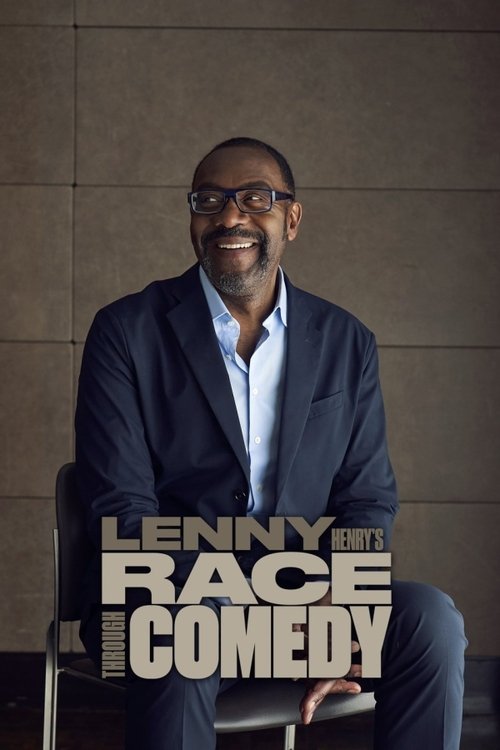
"Lenny Henry's Race Through Comedy" is a documentary-style show that explores the history of Black British comedy through the lens of Lenny Henry's personal experiences and insights. The show is structured around a series of interviews, performances, and historical context, rather than a traditional narrative with a linear plot.
The show opens with Lenny Henry introducing the theme of the series, emphasizing the importance of comedy in addressing race and identity. He shares his own background, growing up in the Black community in the UK, and how that shaped his comedic voice. This sets the stage for the exploration of various comedians and their contributions to the genre.
As the first segment unfolds, Lenny delves into the early days of Black comedy in Britain, highlighting figures such as the legendary comedian and actor, Paul Robeson. Through archival footage and interviews, the audience learns about the challenges faced by early Black performers, including racism and limited opportunities. Lenny reflects on how these barriers influenced the style and content of their comedy.
The narrative then shifts to the 1970s and 1980s, where Lenny discusses the rise of Black British comedy clubs. He interviews prominent comedians from that era, such as Richard Blackwood and Angie Le Mar, who share their experiences of performing in a predominantly white industry. They recount the camaraderie and support found within the Black comedy community, as well as the struggles they faced in gaining recognition.
In a pivotal moment, Lenny visits a comedy club where he performs a set, showcasing his own comedic style. The audience's reactions are captured, illustrating the connection between the performer and the crowd. This segment emphasizes the power of laughter as a unifying force, even in the face of adversity.
The show then transitions to the 1990s, focusing on the emergence of new voices in Black comedy, including the likes of Eddie Nestor and the impact of television shows like "Desmond's." Lenny discusses how these platforms provided greater visibility for Black comedians and allowed them to reach wider audiences. Interviews with these comedians reveal their motivations and the significance of representation in media.
As the series progresses, Lenny addresses the evolution of comedy in the 2000s and beyond, highlighting the influence of social media and the internet on the comedy landscape. He speaks with contemporary comedians such as Romesh Ranganathan and Mo Gilligan, who discuss how they navigate their identities and experiences in their work. This segment showcases the diversity of voices within the Black comedy scene today.
In the final act, Lenny reflects on the future of Black comedy and its role in society. He emphasizes the importance of continuing to challenge stereotypes and push boundaries through humor. The show concludes with a powerful message about the resilience of Black comedians and their ongoing impact on the comedy world.
Throughout the series, Lenny's emotional connection to the subject matter is palpable, as he shares personal anecdotes and insights that resonate with both the comedic and cultural significance of the journey he has explored. The show ends on a hopeful note, celebrating the rich legacy of Black British comedy and its potential to inspire future generations.



What is the ending?
In the ending of "Lenny Henry's Race Through Comedy," Lenny Henry concludes his exploration of the impact of race in comedy by reflecting on the journey he has taken throughout the series. He emphasizes the importance of representation and the evolution of comedic voices in the industry. The series wraps up with a celebration of diverse comedic talent, showcasing clips of various comedians who have made significant contributions to the field.
As the final episode unfolds, Lenny stands in front of a live audience, a warm spotlight illuminating his figure. He begins by summarizing the key themes he has explored throughout the series, emphasizing the struggles and triumphs of comedians from diverse backgrounds. The audience is engaged, nodding and laughing at his anecdotes, which are laced with both humor and poignant observations.
Scene by scene, Lenny recounts his personal experiences in the comedy world, sharing stories of the challenges he faced as a Black comedian in a predominantly white industry. He recalls moments of doubt and resilience, illustrating how these experiences shaped his comedic voice. The audience can feel the weight of his words, a mixture of laughter and reflection filling the room.
Transitioning to the next segment, Lenny introduces clips of various comedians, both established and emerging, who have influenced the landscape of comedy. Each clip showcases their unique styles and perspectives, highlighting the rich tapestry of voices that contribute to the comedic narrative. Lenny's pride in these artists is palpable, as he celebrates their achievements and the barriers they have broken.
As the episode nears its conclusion, Lenny returns to the stage, his demeanor a blend of joy and introspection. He expresses gratitude for the journey he has undertaken, acknowledging the importance of continuing to push for diversity and representation in comedy. The audience erupts in applause, a testament to the impact of his message.
In the final moments, Lenny leaves the audience with a powerful call to action, encouraging them to support diverse voices in comedy and to recognize the importance of laughter as a unifying force. The screen fades to black, leaving viewers with a sense of hope and inspiration, as Lenny's journey through the world of comedy comes to a heartfelt close.
Is there a post-credit scene?
"Lenny Henry's Race Through Comedy," produced in 2019, does not feature a post-credit scene. The show is structured as a documentary series where Lenny Henry explores the history of comedy, particularly focusing on the contributions of Black comedians in the UK. Each episode concludes with a wrap-up of the themes discussed, but there are no additional scenes or content after the credits roll. The focus remains on the rich narratives and insights shared throughout the episodes, rather than any extended or hidden scenes.
What comedic styles does Lenny Henry explore in the show?
In 'Lenny Henry's Race Through Comedy', Lenny Henry delves into various comedic styles, including observational humor, character comedy, and satire. He examines how these styles have evolved over time and their impact on audiences, particularly in relation to race and identity.
How does Lenny Henry incorporate personal anecdotes into his comedy?
Throughout the show, Lenny Henry shares personal anecdotes from his life, including his experiences growing up in a multicultural environment. These stories serve to connect his comedic observations to real-life situations, allowing the audience to see the humor in his struggles and triumphs.
What role do guest comedians play in the narrative of the show?
Guest comedians in 'Lenny Henry's Race Through Comedy' contribute to the narrative by sharing their own experiences and perspectives on race in comedy. Their interactions with Lenny highlight the diversity of comedic voices and the shared challenges they face in the industry.
How does Lenny Henry address the topic of representation in comedy?
Lenny Henry addresses representation in comedy by discussing the historical lack of diverse voices in the industry. He emphasizes the importance of having comedians from various backgrounds and how their unique perspectives enrich the comedic landscape.
What specific moments highlight the challenges Lenny Henry faced as a Black comedian?
Specific moments in the show highlight Lenny Henry's challenges, such as recounting instances of racial stereotyping in his early career and the pressure to conform to mainstream expectations. These moments are infused with both humor and poignancy, showcasing his resilience and determination to carve out a space for himself in comedy.
Is this family friendly?
"Lenny Henry's Race Through Comedy" is generally family-friendly, but it does contain some themes and moments that may be sensitive for younger viewers or those who are particularly sensitive.
-
Discussion of Race and Identity: The show delves into topics surrounding race, identity, and the experiences of Black comedians. Some discussions may include historical context or personal anecdotes that could be heavy for younger audiences.
-
Mature Humor: While much of the comedy is light-hearted, there are instances of humor that may touch on adult themes or use language that some parents might find inappropriate for children.
-
Emotional Stories: The show features personal stories from comedians that may evoke strong emotions, including discussions of struggle, discrimination, and resilience, which could be upsetting for sensitive viewers.
-
Cultural References: Some jokes and references may be more relatable to adults or those familiar with specific cultural contexts, potentially leaving younger viewers confused or disconnected.
Overall, while the show is designed to be entertaining and informative, parents may want to preview it to determine its suitability for their children.