










Popular
What is the significance of Nobita's time travel in Stand by Me Doraemon 2?
How does Nobita's relationship with Shizuka evolve throughout the film?
What role does Doraemon play in Nobita's journey in this film?
What challenges does Nobita face when trying to change his future?
How does the film depict the theme of friendship among Nobita, Shizuka, and their friends?
Should I watch it?
Ask Your Own Question

What is the plot?
Sorry, we aren't able to watch and write up a full detailed plot yet. Check back in a few days.
More Movies Like This
Browse All Movies →




What is the ending?
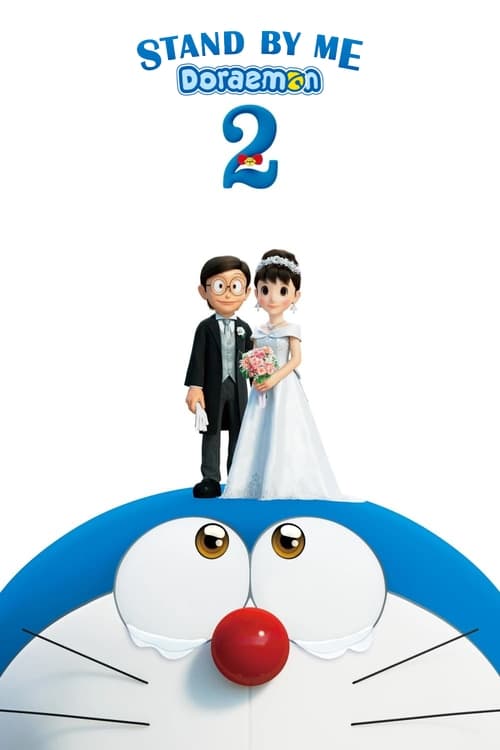
In the ending of "Stand by Me Doraemon 2," Nobita faces the reality of his future and the importance of his relationships. After a series of emotional moments, he learns to cherish his friends and family. The film concludes with Nobita and Shizuka getting married, symbolizing hope and the continuation of their bond, while Doraemon prepares to leave, having fulfilled his purpose.
As the film approaches its conclusion, the atmosphere is charged with emotion. Nobita, having navigated through various challenges with the help of Doraemon, finds himself at a pivotal moment. The scene shifts to a serene setting where Nobita reflects on his life and the impact of his friendship with Doraemon. He realizes that the future he envisioned is not just about success but also about the connections he has forged along the way.
In a poignant moment, Nobita stands before Doraemon, who is preparing to return to the future. The two share a heartfelt conversation, filled with gratitude and understanding. Nobita expresses his deep appreciation for Doraemon's unwavering support throughout his childhood. Doraemon, in turn, reassures Nobita that he has grown strong enough to face the world on his own. This exchange is filled with a mix of sadness and pride, as both characters acknowledge the inevitable separation.
As the scene transitions, we see Nobita's wedding day. The setting is vibrant, filled with friends and family who have gathered to celebrate this significant milestone. Shizuka, radiant in her wedding dress, stands beside Nobita, who is visibly nervous yet excited. The ceremony is a culmination of their journey together, showcasing their growth and the love that has blossomed over the years. The joy of the moment is palpable, and the audience can feel the warmth of their shared happiness.
Doraemon watches from a distance, a bittersweet smile on his face. He understands that his mission is complete; Nobita is ready to embrace his future. As the couple exchanges vows, the scene captures the essence of love, commitment, and the importance of moving forward. Nobita's heartfelt promise to Shizuka signifies his determination to protect and cherish her, reflecting his growth from a timid boy to a responsible man.
In the final moments, as the wedding concludes, Doraemon prepares to leave. The emotional weight of the farewell is heavy, and Nobita, now a man, bids goodbye to his beloved friend. The scene is filled with tears and laughter, encapsulating the bittersweet nature of their parting. Doraemon reassures Nobita that he will always be with him in spirit, emphasizing the lasting impact of their friendship.
As Doraemon departs, the film closes with a montage of Nobita and Shizuka's life together, filled with laughter, challenges, and the joys of family. The final image is one of hope and continuity, as Nobita stands strong, ready to face whatever the future holds, embodying the lessons learned from his adventures with Doraemon. The fate of each character is intertwined, with Nobita and Shizuka embarking on a new journey together, while Doraemon returns to his time, having fulfilled his purpose of guiding Nobita towards a brighter future.
Is there a post-credit scene?
Yes, "Stand by Me Doraemon 2" features a post-credit scene that adds a touching conclusion to the film.
As the credits roll, the scene opens with Nobita sitting in a serene, sunlit park, reflecting on his memories with Doraemon. The atmosphere is peaceful, filled with the sounds of nature, and the gentle rustling of leaves creates a nostalgic backdrop. Nobita appears contemplative, a mix of happiness and sadness evident on his face as he thinks about the adventures he shared with his robotic cat friend.
Suddenly, a familiar blue figure appears in the distance. It's Doraemon, who approaches Nobita with his signature cheerful demeanor. The sight of Doraemon brings a wave of warmth and joy to Nobita, who smiles brightly, his earlier melancholy fading away. They exchange a few light-hearted words, and the bond between them feels as strong as ever, showcasing the enduring friendship that defines their relationship.
The scene encapsulates the themes of friendship, growth, and the importance of cherishing memories. As they walk together, the screen fades to black, leaving the audience with a sense of hope and the reassurance that their adventures will continue, even if they are not always visible. This post-credit moment serves as a heartfelt reminder of the impact Doraemon has had on Nobita's life, emphasizing that true friends are always there in spirit, no matter the circumstances.
What is the significance of Nobita's time travel in Stand by Me Doraemon 2?
In Stand by Me Doraemon 2, Nobita's time travel is significant as it allows him to confront his fears and insecurities about the future. He travels back to moments in his childhood, particularly to his relationship with Shizuka, to understand the importance of cherishing memories and the impact of his choices on his future. This journey is not just about nostalgia; it serves as a catalyst for his growth and maturity.
How does Nobita's relationship with Shizuka evolve throughout the film?
Nobita's relationship with Shizuka evolves from a childhood friendship into a deeper emotional connection. Initially, Nobita struggles with his feelings and fears of inadequacy, but as he travels back in time, he learns to appreciate Shizuka's kindness and support. The film highlights key moments that strengthen their bond, showcasing Nobita's determination to protect and cherish Shizuka, ultimately leading to a more profound understanding of love and commitment.
What role does Doraemon play in Nobita's journey in this film?
Doraemon plays a crucial role in Nobita's journey by providing guidance and support throughout his time travel adventures. As Nobita navigates his past, Doraemon acts as a mentor, encouraging him to face his fears and make better choices. Doraemon's presence is a constant reminder of friendship and loyalty, and his emotional investment in Nobita's growth highlights the depth of their relationship.
What challenges does Nobita face when trying to change his future?
Nobita faces several challenges when trying to change his future, including his own self-doubt and the fear of failure. As he attempts to alter key moments in his past, he realizes that some events are beyond his control, leading to feelings of frustration and helplessness. These challenges force Nobita to confront his weaknesses and ultimately teach him the importance of accepting himself and the inevitability of certain life events.
How does the film depict the theme of friendship among Nobita, Shizuka, and their friends?
The film depicts the theme of friendship through various interactions and shared experiences among Nobita, Shizuka, and their friends. Moments of laughter, support during tough times, and the collective effort to help each other grow are highlighted. The film emphasizes that true friendship involves understanding, sacrifice, and the willingness to stand by one another, reinforcing the idea that these bonds are essential for personal development and happiness.
Is this family friendly?
"Stand by Me Doraemon 2" is generally considered family-friendly, appealing to audiences of all ages with its heartwarming themes and emotional storytelling. However, there are a few scenes that may be potentially objectionable or upsetting for children or sensitive viewers:
-
Themes of Loss and Farewell: The film explores deep emotional themes, including the concept of saying goodbye and the pain associated with parting, which may resonate strongly with younger viewers.
-
Emotional Struggles: Characters experience moments of sadness and vulnerability, particularly related to their relationships and personal growth, which could be intense for some children.
-
Nostalgia and Regret: The narrative delves into feelings of nostalgia and regret, as characters reflect on their past choices and relationships, which might evoke strong emotions.
-
Family Dynamics: There are scenes that touch on family issues and the complexities of parent-child relationships, which could be sensitive topics for some viewers.
While these elements contribute to the film's emotional depth, they may also be challenging for younger or more sensitive audiences to process. Overall, the film maintains a positive message about friendship, growth, and support.









