


Popular
What specific examples of hate are explored in the series?
How does the series illustrate the psychological effects of hate on individuals?
What role do experts play in the series, and how do they contribute to the understanding of hate?
Are there any personal stories of transformation or redemption featured in the series?
How does the series address the role of social media in the spread of hate?
Should I watch it?
Ask Your Own Question

What is the plot?
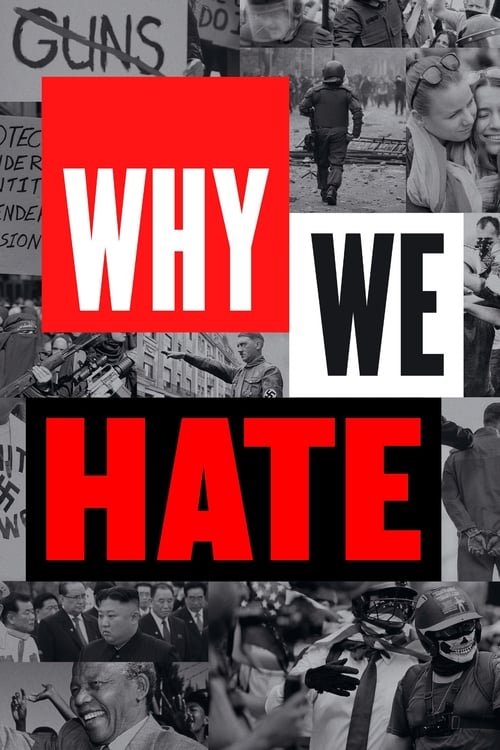
"Why We Hate" is a documentary series that explores the roots and manifestations of hate in human society. The series is structured into six episodes, each focusing on different aspects of hate, including its psychological, social, and cultural dimensions.
The first episode introduces the concept of hate, beginning with personal stories from individuals who have experienced hate firsthand. It features interviews with people from various backgrounds, including victims of hate crimes and those who have perpetrated acts of hate. The emotional weight of these stories sets the tone for the series, highlighting the pain and suffering caused by hate.
As the episode progresses, it delves into the psychological underpinnings of hate. Experts in psychology and sociology discuss how hate can stem from fear, ignorance, and a sense of threat. They explain the concept of "in-group" versus "out-group" dynamics, illustrating how people often develop animosity towards those who are different from themselves. This segment includes visual representations of social experiments that demonstrate how quickly individuals can form biases against others.
The second episode shifts focus to the role of media in perpetuating hate. It examines how news outlets and social media platforms can amplify hateful rhetoric and create echo chambers. The episode features case studies of specific incidents where media coverage has incited violence or fueled hatred, such as the coverage of immigration issues and racial tensions. Interviews with journalists and media analysts provide insight into the responsibility of the media in shaping public perception.
In the third episode, the series explores hate in the context of religion. It highlights historical and contemporary examples of religious intolerance, including conflicts between different faiths. The episode features interviews with religious leaders and scholars who discuss the ways in which religious texts can be interpreted to justify hate. Personal testimonies from individuals who have faced persecution due to their beliefs add a poignant layer to the narrative.
The fourth episode addresses hate in the realm of politics. It examines how political rhetoric can incite division and animosity among citizens. The episode includes footage from political rallies and speeches that have sparked outrage and violence. Political analysts and historians provide context for how hate has been used as a tool for manipulation throughout history, particularly during election cycles.
In the fifth episode, the series takes a closer look at the impact of hate on communities. It features stories from neighborhoods that have been torn apart by hate crimes and discrimination. Community leaders and activists share their efforts to combat hate and promote understanding. The emotional toll on individuals and families affected by hate is highlighted, showcasing the long-lasting scars that such experiences can leave.
The final episode of the series focuses on hope and healing. It presents initiatives and movements aimed at fostering empathy and understanding among diverse groups. The episode showcases successful programs that have brought together individuals from opposing sides to engage in dialogue and build relationships. Personal stories of transformation and reconciliation serve as a powerful conclusion, emphasizing the potential for change in the face of hate.
Throughout the series, the visual storytelling is complemented by powerful imagery and emotional interviews, creating a compelling narrative that captures the complexity of hate and the human experience. Each episode builds on the previous one, weaving together personal stories, expert insights, and historical context to provide a comprehensive exploration of why hate exists and how it can be addressed.








What is the ending?
The ending of "Why We Hate" culminates in a powerful exploration of the roots of hatred and the potential for understanding and reconciliation. The series concludes with a call to action, urging viewers to confront their biases and work towards empathy and connection.
As the final episodes unfold, the narrative shifts to a series of poignant interviews and personal stories that encapsulate the themes of the series. The audience is taken through various scenes that highlight the impact of hatred on individuals and communities.
In the first scene of the finale, we see a montage of individuals from diverse backgrounds sharing their experiences with hate. Each person recounts moments of discrimination, violence, and prejudice, their faces reflecting a mix of pain and resilience. The camera lingers on their expressions, capturing the weight of their stories.
Next, the series introduces a community dialogue session where people from opposing sides come together to discuss their differences. The atmosphere is tense, filled with apprehension and skepticism. As participants share their perspectives, the camera focuses on their body language--crossed arms, furrowed brows, and hesitant glances. However, as the conversation progresses, some begin to soften. A woman who initially expresses anger at a rival group starts to listen, her posture relaxing as she hears a personal story that resonates with her own experiences of loss and fear.
In another scene, we witness a former hate group member reflecting on his past. He sits in a dimly lit room, his voice trembling as he recounts the moment he realized the harm he had caused. The camera captures the tears in his eyes, the weight of regret heavy on his shoulders. This moment serves as a turning point, illustrating the possibility of change and redemption.
The series then shifts to a powerful visual of a community coming together to support a victim of hate crime. The streets are filled with people holding candles, their faces illuminated by the soft glow. The atmosphere is somber yet hopeful, as individuals from different backgrounds unite in solidarity. The camera pans over the crowd, capturing the diversity of the participants, each one a testament to the strength found in unity.
As the finale draws to a close, the series emphasizes the importance of empathy and understanding. The final scenes feature a series of hopeful messages from various individuals, each one encouraging viewers to take action against hate in their own lives. The screen fades to black with the words, "We can choose love over hate," leaving the audience with a sense of urgency and responsibility.
In summary, the ending of "Why We Hate" serves as a poignant reminder of the complexities of human emotions and the potential for healing through connection and understanding. Each character's journey reflects the overarching message of the series: that while hatred can be deeply ingrained, the capacity for empathy and change exists within us all.
Is there a post-credit scene?
The documentary series "Why We Hate," produced in 2019, does not feature a post-credit scene. The series concludes its episodes with a summary of the themes discussed, focusing on the exploration of hate, its origins, and the potential for understanding and empathy. Each episode wraps up with a call to action for viewers to reflect on their own biases and the societal structures that perpetuate hate, but there are no additional scenes or content after the credits. The emphasis remains on the serious and thought-provoking nature of the subject matter throughout the series.
What specific examples of hate are explored in the series?
The series delves into various forms of hate, including racial hatred, religious intolerance, and political division. It examines the historical context of these hatreds through personal stories and societal impacts, showcasing how they manifest in different communities.
How does the series illustrate the psychological effects of hate on individuals?
The series features interviews with individuals who have experienced hate firsthand, revealing the emotional scars and psychological trauma that result from such experiences. These personal narratives highlight feelings of fear, anger, and helplessness, providing a deep insight into the internal struggles faced by victims.
What role do experts play in the series, and how do they contribute to the understanding of hate?
Experts in psychology, sociology, and history are featured throughout the series, providing analysis and context to the stories shared. Their insights help to unpack the complexities of hate, discussing its origins, the mechanisms of dehumanization, and potential pathways to healing and reconciliation.
Are there any personal stories of transformation or redemption featured in the series?
Yes, the series includes stories of individuals who have moved from hate to understanding. These narratives often involve personal epiphanies or significant life events that prompted a change in perspective, illustrating the possibility of overcoming deep-seated prejudices.
How does the series address the role of social media in the spread of hate?
The series examines the impact of social media as a tool for both spreading hate and fostering community among those who oppose it. It highlights specific incidents where online platforms have amplified hateful rhetoric, while also showcasing efforts by individuals and organizations to counteract this trend through positive engagement.
Is this family friendly?
"Why We Hate," produced in 2019, is a documentary series that delves into the complex emotions and societal factors that contribute to hatred. While it aims to foster understanding and dialogue, it does contain themes and scenes that may be objectionable or upsetting for children or sensitive viewers.
-
Graphic Violence: The series includes discussions and depictions of violent acts motivated by hate, which may be distressing.
-
Hate Crimes: There are accounts of real-life hate crimes, including interviews with victims and perpetrators, which can be emotionally intense.
-
Emotional Testimonies: Personal stories shared by individuals affected by hate can evoke strong feelings of sadness, anger, or fear.
-
Historical Context: The series addresses historical events marked by hatred, such as genocide and discrimination, which may be difficult for younger viewers to comprehend.
-
Intense Discussions: The conversations around topics like racism, xenophobia, and bigotry can be heavy and may require a level of maturity to process.
Overall, while the series aims to educate and promote empathy, its content may not be suitable for all audiences, particularly younger children or those sensitive to discussions of violence and hatred.









