




Popular
What specific technologies are highlighted in Earth from Space that allow scientists to observe the planet from above?
How does Earth from Space illustrate the effects of climate change on different ecosystems?
What role do specific scientists or researchers play in the narrative of Earth from Space?
Can you describe a specific moment in Earth from Space that highlights the interconnectedness of Earth's systems?
What specific visual techniques are used in Earth from Space to convey the beauty and fragility of the planet?
Should I watch it?
Ask Your Own Question

What is the plot?
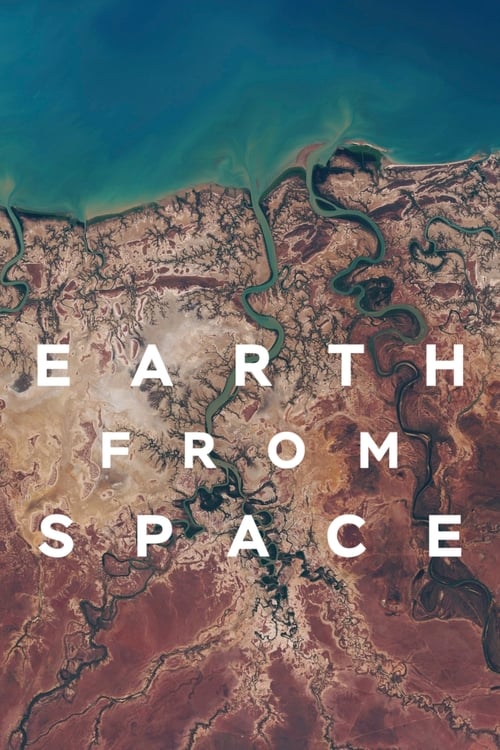
"Earth from Space" is a documentary series that explores the planet's ecosystems, weather patterns, and human impact on the environment through the lens of satellite imagery. The series is structured into four episodes, each focusing on different aspects of Earth's systems and how they interact.
The first episode introduces the concept of viewing Earth from space, showcasing how satellites provide a unique perspective on the planet. It begins with stunning visuals of Earth from orbit, highlighting the beauty and fragility of the planet. The narrative emphasizes the importance of satellites in monitoring environmental changes, such as deforestation, urbanization, and climate change. The episode features various locations around the globe, including the Amazon rainforest, where satellite images reveal the extent of deforestation over time. The emotional weight of the visuals is underscored by the narration, which conveys a sense of urgency regarding the need for conservation.
In the second episode, the focus shifts to the oceans and their vital role in regulating the Earth's climate. The episode opens with breathtaking footage of ocean currents and marine life, illustrating the interconnectedness of ocean ecosystems. It discusses how satellites track sea surface temperatures and monitor coral reef health. The narrative delves into the impact of climate change on oceanic systems, including rising sea levels and acidification. The emotional tone becomes more somber as it highlights the plight of marine species and the potential consequences for human populations reliant on these ecosystems.
The third episode centers on the atmosphere and weather patterns, showcasing how satellites help predict weather events and track storms. It begins with dramatic visuals of hurricanes and typhoons from space, emphasizing the power and unpredictability of nature. The episode explains the technology behind weather satellites and how they gather data to improve forecasting. The emotional stakes rise as the narrative recounts the devastation caused by extreme weather events, illustrating the human stories behind the statistics. Personal accounts from individuals affected by natural disasters add a poignant layer to the episode.
The final episode brings the focus back to human activity and its impact on the planet. It highlights urbanization and the rapid growth of cities, using satellite imagery to show sprawling metropolitan areas. The episode discusses the challenges of sustainability and the importance of smart city planning. It features innovative solutions being implemented around the world to mitigate environmental damage, such as green architecture and renewable energy sources. The emotional tone is one of hope, as it showcases communities coming together to create a more sustainable future.
Throughout the series, the visuals are complemented by a powerful narrative that emphasizes the beauty of Earth while also addressing the urgent need for action to protect it. The series concludes with a call to awareness and responsibility, urging viewers to consider their role in preserving the planet for future generations.









What is the ending?
"Earth from Space" is a documentary series that explores the planet's ecosystems, climate, and human impact through stunning satellite imagery. It does not have a traditional narrative structure with characters or a plot that culminates in an ending. Instead, it presents a series of visual stories about Earth, focusing on various themes such as climate change, biodiversity, and the interconnectedness of life on the planet.
In a simple narrative fashion, the series concludes by emphasizing the urgent need for humanity to understand and protect the Earth. It showcases the beauty of the planet while also highlighting the challenges it faces due to human activity.
Expanding on this, the series unfolds through a series of breathtaking scenes, each revealing different aspects of Earth from a unique perspective.
The first scene opens with a sweeping view of the planet from space, showcasing the vibrant blues of the oceans and the greens of the forests. The narrator introduces the concept of Earth as a living entity, interconnected and fragile. The imagery of swirling clouds and shifting landscapes sets the tone for the exploration of the planet's ecosystems.
As the narrative progresses, the focus shifts to the Amazon rainforest, where satellite images reveal the vastness of this critical ecosystem. The camera zooms in on deforestation, illustrating the stark contrast between lush greenery and barren land. The emotional weight of this scene is palpable, as it highlights the loss of biodiversity and the impact of human actions on the environment.
Next, the series transitions to urban areas, where the rapid expansion of cities is depicted through time-lapse footage. The contrast between natural landscapes and concrete jungles evokes a sense of urgency regarding urbanization's effects on the planet. The narrator discusses the challenges of balancing development with environmental sustainability, emphasizing the need for innovative solutions.
The series then takes viewers to the polar regions, showcasing the dramatic effects of climate change. Melting ice caps and rising sea levels are illustrated through powerful imagery, evoking a sense of loss and concern for future generations. The emotional tone shifts to one of alarm as the narrator discusses the implications of these changes for global ecosystems and human populations.
In the final scenes, the series returns to a broader perspective, highlighting the interconnectedness of all life on Earth. The imagery of diverse ecosystems, from coral reefs to deserts, reinforces the message that every part of the planet plays a role in maintaining balance. The narrator calls for collective action, urging viewers to recognize their responsibility in protecting the Earth.
The series concludes with a hopeful note, showcasing grassroots movements and innovative technologies aimed at restoring and preserving the environment. The final images of thriving ecosystems and engaged communities serve as a reminder that change is possible, and that humanity has the power to make a positive impact.
In summary, "Earth from Space" does not have characters or a traditional plot, but it effectively conveys a powerful message about the beauty and fragility of our planet, urging viewers to take action for its preservation.
Is there a post-credit scene?
The TV show "Earth from Space," produced in 2019, does not feature a post-credit scene. The documentary series focuses on showcasing the planet's beauty and the impact of human activity on the environment through stunning visuals captured from space. Each episode concludes with a summary of the themes discussed, emphasizing the interconnectedness of Earth's systems and the importance of conservation, but there are no additional scenes or content after the credits. The series aims to inspire viewers to appreciate and protect the planet rather than providing a narrative that would typically include post-credit scenes.
What specific technologies are highlighted in Earth from Space that allow scientists to observe the planet from above?
Earth from Space showcases various satellite technologies, including radar and optical imaging systems, which provide detailed views of the Earth's surface. These technologies allow scientists to monitor environmental changes, track wildlife, and assess natural disasters, revealing the intricate patterns of life and the impact of human activity.
How does Earth from Space illustrate the effects of climate change on different ecosystems?
The documentary presents vivid imagery of melting glaciers, shrinking forests, and changing weather patterns. It highlights specific regions, such as the Arctic and Amazon rainforest, showing how these ecosystems are responding to rising temperatures and deforestation, evoking a sense of urgency and concern for the planet's future.
What role do specific scientists or researchers play in the narrative of Earth from Space?
The film features prominent scientists who share their insights and findings, such as climate researchers and ecologists. Their passion for understanding Earth's systems and their emotional investment in protecting the environment are palpable, as they discuss their work and the implications of their research on global policies.
Can you describe a specific moment in Earth from Space that highlights the interconnectedness of Earth's systems?
One poignant moment occurs when the documentary shows the impact of deforestation in the Amazon on global weather patterns. As the camera pans over the vast, cleared land, the narration explains how this loss affects rainfall in distant regions, illustrating the delicate balance of Earth's ecosystems and evoking a sense of interconnectedness.
What specific visual techniques are used in Earth from Space to convey the beauty and fragility of the planet?
The documentary employs stunning aerial footage and time-lapse photography to capture the Earth's landscapes, from vibrant coral reefs to sprawling deserts. These visuals are complemented by a haunting score that enhances the emotional weight of the imagery, inviting viewers to appreciate both the beauty and the vulnerability of our planet.
Is this family friendly?
"Earth from Space," produced in 2019, is a documentary series that explores the planet's ecosystems, weather patterns, and human impact on the environment through stunning visuals captured from space. The series is generally family-friendly, focusing on educational content about Earth and its natural phenomena.
However, there are a few aspects that might be considered potentially objectionable or upsetting for children or sensitive viewers:
-
Environmental Destruction: The series discusses topics such as deforestation, pollution, and climate change, which may be distressing for some viewers, especially younger children who may not fully understand these concepts.
-
Natural Disasters: Scenes depicting hurricanes, wildfires, and other natural disasters may evoke feelings of fear or anxiety, as they show the destructive power of nature and its impact on human life and habitats.
-
Human Impact: The documentary addresses the consequences of human activities on the planet, which might lead to feelings of guilt or sadness regarding environmental issues.
Overall, while the series is informative and visually captivating, parents may want to watch it with younger viewers to provide context and support discussions about the themes presented.









