
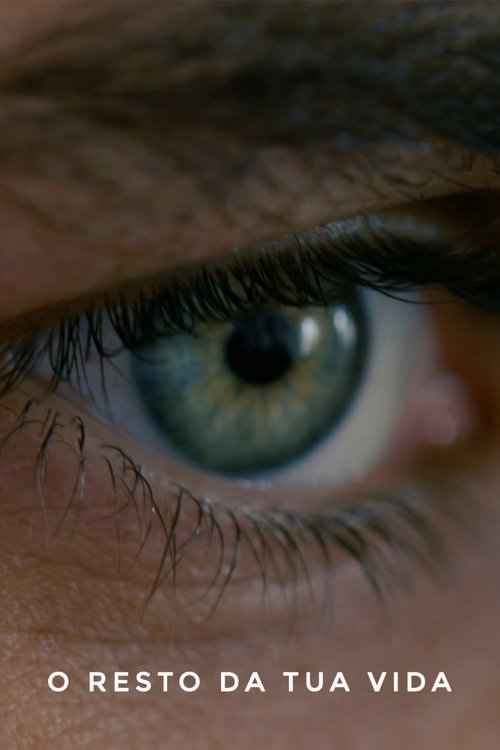




Popular
What motivates the main character, Miguel, throughout the series?
How does the relationship between Miguel and his father evolve over the course of the series?
What role does the character Sofia play in Miguel's life?
How does the series depict the theme of forgiveness through the character arcs?
What significant events lead to the climax of Miguel's journey in the series?
Should I watch it?
Ask Your Own Question

What is the plot?
The story begins with the protagonist, a middle-aged man named Miguel, who is living a seemingly mundane life. He works as a teacher and is married to a woman named Clara. Their relationship is strained, and Miguel feels unfulfilled both personally and professionally. One day, he receives a shocking diagnosis: he has a terminal illness and only a few months to live. This news shatters his already fragile existence and forces him to confront his mortality.
In the wake of his diagnosis, Miguel begins to reevaluate his life choices. He feels a deep sense of regret for the dreams he never pursued and the relationships he neglected. He decides to take control of his remaining time by reconnecting with his estranged daughter, Sofia, who has been living abroad. Miguel reaches out to her, and after some initial hesitation, she agrees to come back home to see him.
As Sofia arrives, the emotional reunion is bittersweet. Miguel is overjoyed to see her, but the tension from their past is palpable. They have a heartfelt conversation where Miguel expresses his love and regret for not being a better father. Sofia, still hurt by their past, struggles to forgive him but is willing to try to rebuild their relationship. This moment marks a turning point for both characters as they begin to open up to each other.
Miguel also decides to pursue a long-lost passion for painting, something he abandoned years ago. He starts attending art classes, where he meets a vibrant and free-spirited artist named Inês. Inês becomes a source of inspiration for Miguel, and their friendship blossoms into a deeper connection. As Miguel immerses himself in art, he begins to find joy and purpose again, which contrasts sharply with the grim reality of his illness.
As Miguel's health deteriorates, he faces the harsh realities of his condition. He experiences moments of weakness and pain, which serve as a constant reminder of his impending death. Despite this, he continues to paint and spend time with Sofia and Inês, cherishing the moments he has left. The emotional weight of his situation leads to profound conversations about life, love, and the legacy he wishes to leave behind.
In a pivotal scene, Miguel organizes an art exhibition to showcase his work. This event becomes a celebration of his life and a way to share his journey with those he loves. Sofia helps him prepare for the exhibition, and they bond over the process. The night of the exhibition is filled with mixed emotions; Miguel feels proud yet vulnerable as he reveals his art to the world. The event is a success, and it brings together friends and family, allowing Miguel to feel a sense of closure.
As the story progresses, Miguel's health continues to decline. He has a particularly poignant moment with Clara, where they confront their past and the love that still exists between them, despite their differences. Clara expresses her support for Miguel's choices, and they share a tender moment that highlights the complexity of their relationship.
In the final act, Miguel's condition worsens, and he becomes increasingly reliant on Sofia and Inês for support. He grapples with the fear of leaving them behind and the impact of his death on their lives. In a heart-wrenching scene, Miguel has a final conversation with Sofia, where he encourages her to live fully and pursue her dreams, urging her not to make the same mistakes he did.
The climax of the story occurs when Miguel, surrounded by his loved ones, reaches a point of acceptance. He reflects on his life, the love he has shared, and the art he has created. In a serene moment, he passes away peacefully, leaving behind a legacy of love, art, and the hope that his family will continue to thrive.
The series concludes with Sofia and Inês visiting Miguel's art exhibition posthumously, where they find solace in his work and the memories they shared. They vow to honor his legacy by living life to the fullest, embodying the lessons he imparted in his final days.





What is the ending?
In the ending of "O Resto da Tua Vida," the main character, a woman named Maria, confronts her past and the choices she has made. She finds a sense of closure and acceptance, ultimately deciding to embrace her future with hope. The story concludes with her taking a step towards a new beginning, symbolizing her personal growth and resilience.
As the final scenes unfold, we see Maria standing in her childhood home, a place filled with memories both joyful and painful. The camera captures her contemplative expression as she walks through the familiar rooms, each corner echoing with the laughter and tears of her past. The walls seem to whisper stories of her life, and she pauses to touch a framed photograph of her younger self, a bittersweet smile crossing her lips.
In the next scene, Maria meets with her estranged daughter, Sofia, in a park. The atmosphere is tense, filled with unspoken words and unresolved feelings. Maria's heart races as she approaches Sofia, who sits on a bench, her body language closed off. Maria takes a deep breath, her internal struggle evident as she fights against the fear of rejection. She sits beside Sofia, and after a moment of silence, she begins to speak, her voice trembling yet determined. She apologizes for the years lost and expresses her desire to rebuild their relationship. Sofia listens, her expression softening as she processes her mother's words.
The scene shifts to a montage of their tentative reconnection. We see them sharing small moments: laughter over coffee, a shared glance during a movie, and the gradual easing of tension between them. Each interaction is filled with a mix of hope and uncertainty, reflecting their complex history. Maria's determination to be present in Sofia's life is palpable, and we witness her emotional journey as she learns to navigate the delicate balance of being a mother again.
Meanwhile, the subplot involving Maria's former partner, Miguel, comes to a head. He confronts his own demons, realizing that he must let go of the past to move forward. In a poignant scene, he visits Maria at her home, where they share a heartfelt conversation. Miguel expresses his regrets and acknowledges the pain they both endured. Maria listens, her eyes glistening with unshed tears, as they reminisce about their shared dreams and the love that once bound them. This moment of vulnerability allows them to find closure, and they part ways with a sense of mutual respect and understanding.
The final scene takes place at a community gathering, where Maria stands before a small crowd, her heart pounding with a mix of anxiety and excitement. She has decided to share her story, a testament to her journey of healing and self-discovery. As she speaks, her voice grows stronger, resonating with authenticity and courage. The audience is captivated, and we see faces reflecting empathy and connection. Maria's story becomes a beacon of hope for others, illustrating the power of resilience and the importance of embracing one's truth.
As the credits roll, we see Maria walking away from the gathering, a newfound lightness in her step. She glances back at the crowd, a smile breaking across her face, symbolizing her acceptance of the past and her readiness to embrace the future. The camera lingers on her, capturing the essence of her transformation--a woman who has faced her fears and emerged stronger, ready to live the rest of her life with purpose and love.
Is there a post-credit scene?
In the TV show "O Resto da Tua Vida," there is no post-credit scene. The series concludes its narrative without any additional scenes after the credits roll. The final moments of the show focus on the resolution of the main characters' arcs, providing closure to their stories and leaving the audience with a sense of completion. The emotional weight of the concluding scenes is meant to resonate with viewers, emphasizing the themes of love, loss, and the passage of time that permeate the series.
What motivates the main character, Miguel, throughout the series?
Miguel is driven by a deep sense of loss and the desire to reconnect with his estranged family. His journey is marked by a quest for redemption and understanding, as he grapples with his past mistakes and seeks to mend broken relationships.
How does the relationship between Miguel and his father evolve over the course of the series?
Initially strained and filled with resentment, Miguel's relationship with his father undergoes significant transformation. As they confront their shared history and personal grievances, moments of vulnerability and honesty lead to a tentative reconciliation, showcasing the complexities of familial love.
What role does the character Sofia play in Miguel's life?
Sofia serves as a catalyst for Miguel's emotional awakening. Her presence challenges him to confront his fears and insecurities, ultimately pushing him towards self-discovery and acceptance. Their interactions are filled with tension, warmth, and a sense of longing that highlights Miguel's internal struggles.
How does the series depict the theme of forgiveness through the character arcs?
Forgiveness is intricately woven into the character arcs, particularly through Miguel's interactions with his family and Sofia. Each character faces their own demons, and the series illustrates the painful yet necessary journey towards forgiveness, culminating in poignant moments that reveal the healing power of letting go.
What significant events lead to the climax of Miguel's journey in the series?
Key events include Miguel's confrontation with his father, the rekindling of his relationship with Sofia, and moments of self-reflection that force him to confront his past. These culminate in a powerful climax where Miguel must make a choice that will define his future and the relationships he holds dear.
Is this family friendly?
"O Resto da Tua Vida" is a Portuguese drama that explores deep emotional themes and complex family dynamics. While it is a poignant narrative, it does contain elements that may not be suitable for younger audiences or sensitive viewers.
-
Themes of Illness and Mortality: The show deals with serious topics such as terminal illness and the emotional turmoil that accompanies it, which may be distressing for children or sensitive individuals.
-
Emotional Turmoil: Characters experience significant grief, loss, and existential crises, which can evoke strong emotional responses.
-
Family Conflict: There are scenes depicting intense family arguments and conflicts that may be uncomfortable for younger viewers.
-
Depictions of Suffering: The portrayal of physical and emotional suffering can be quite raw and may be upsetting.
-
Mature Language and Situations: The dialogue may include mature themes and language that are not appropriate for children.
Overall, while the show offers a rich narrative, its heavy themes and emotional depth may not be suitable for all audiences, particularly children.







