



Popular
What challenges does Luan Oliveira face in his skateboarding career throughout the series?
How does Luan's relationship with his family influence his skateboarding journey?
What role do Luan's friendships with other skaters play in the series?
How does Luan cope with setbacks and failures in his skating career?
What specific events lead to Luan's growth as a skater and as a person?
Should I watch it?
Ask Your Own Question

What is the plot?
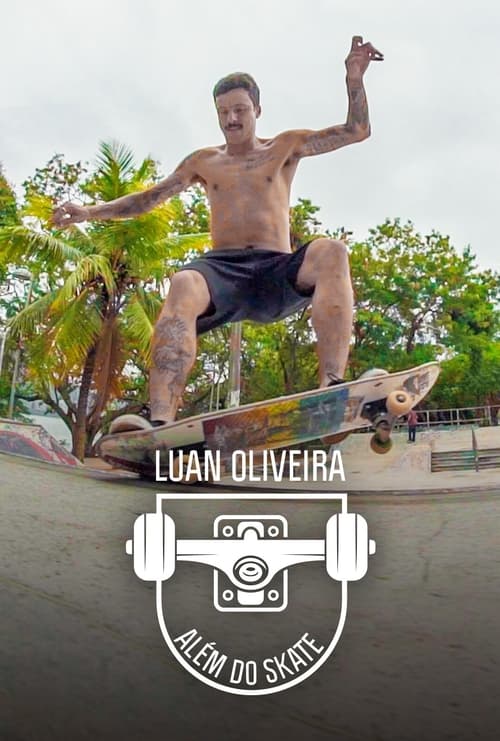
"Luan Oliveira: Além Do Skate" follows the life of Brazilian professional skateboarder Luan Oliveira, showcasing his journey both on and off the skateboard.
The documentary opens with Luan reflecting on his childhood in the small town of Guarujá, Brazil. He shares memories of his early days, where he first discovered skateboarding. The visuals depict a young Luan, filled with excitement, as he practices tricks on a makeshift ramp in his neighborhood. His passion for skateboarding is evident, and he expresses a deep desire to pursue it professionally.
As the narrative progresses, Luan's family dynamics are explored. His parents, supportive yet concerned, worry about the risks associated with skateboarding. Luan's father, a former athlete himself, encourages him to follow his dreams but emphasizes the importance of education. This internal conflict between pursuing his passion and meeting family expectations creates a sense of tension for Luan.
The film transitions to Luan's teenage years, where he begins to gain recognition in the skateboarding community. He participates in local competitions, showcasing his skills and determination. The scenes are filled with adrenaline as Luan performs impressive tricks, capturing the attention of sponsors and skateboarding enthusiasts. His victories bring joy, but they also introduce pressure to maintain his performance level.
A pivotal moment occurs when Luan receives an invitation to compete in an international skateboarding competition. This opportunity represents a significant turning point in his career. Luan is both excited and anxious, understanding that this could be his chance to make a name for himself on a global scale. The film captures his preparation, including intense training sessions and the emotional weight of the upcoming competition.
As Luan travels to the competition, the documentary highlights the challenges he faces, including language barriers and cultural differences. He navigates these obstacles with determination, showcasing his resilience. The competition itself is intense, filled with skilled competitors. Luan's performance is a mix of triumph and struggle; he lands some tricks flawlessly while others result in falls. The emotional stakes are high as he battles both external competitors and his internal fears.
After the competition, Luan reflects on his experience, acknowledging the lessons learned regardless of the outcome. He returns home, where he is greeted by his family and friends, who celebrate his achievements. However, Luan feels a sense of emptiness, realizing that the pressure to succeed is ever-present. This moment of introspection leads him to reevaluate his motivations for skateboarding.
The film then shifts to Luan's journey of self-discovery. He begins to explore different aspects of his life outside of skateboarding, including his relationships and personal interests. This exploration is visually represented through scenes of him spending time with friends, engaging in hobbies, and connecting with his family. Luan's emotional state evolves as he learns to balance his passion for skateboarding with other facets of his life.
As Luan continues to compete, he faces injuries that challenge his physical and mental strength. The documentary does not shy away from depicting the pain and frustration he experiences during recovery. Luan's determination shines through as he works hard to rehabilitate and return to the sport he loves. His journey becomes a testament to perseverance, showcasing the highs and lows of an athlete's life.
In the climax of the film, Luan participates in a major competition that could define his career. The atmosphere is electric, filled with anticipation from fans and competitors alike. Luan's performance is a culmination of his hard work, and he executes a series of breathtaking tricks. The tension builds as he approaches his final run, and the stakes are higher than ever. The crowd holds its breath as he lands a trick that he has struggled with in the past, leading to an eruption of cheers.
The documentary concludes with Luan reflecting on his journey, expressing gratitude for the support he has received and the lessons he has learned. He emphasizes the importance of staying true to oneself and finding joy in the process, rather than solely focusing on success. The final scenes depict Luan skateboarding with friends, embodying a sense of freedom and fulfillment that transcends competition. The film ends on a hopeful note, leaving viewers with a sense of Luan's growth as both an athlete and an individual.





What is the ending?
In the ending of "Luan Oliveira: Além Do Skate," Luan faces the culmination of his journey as a professional skateboarder. He reflects on his experiences, the challenges he has overcome, and the relationships he has built. The film concludes with Luan achieving a significant victory in a competition, symbolizing his growth and dedication to the sport. He embraces his family and friends, celebrating not just his success but the support that has helped him along the way.
As the final scenes unfold, Luan stands at the edge of a skate park, the sun setting behind him, casting a warm glow over the area. He takes a moment to breathe deeply, absorbing the atmosphere filled with the sounds of skateboards rolling and laughter echoing in the background. This moment signifies a transition, not just in his career but in his life.
The scene shifts to the competition venue, where Luan prepares to showcase his skills. The camera captures his focused expression, revealing the weight of expectations resting on his shoulders. He recalls the struggles he faced, the injuries that threatened to derail his passion, and the moments of doubt that crept in during his journey. Yet, he also remembers the encouragement from his family, friends, and mentors, which fuels his determination.
As Luan takes to the course, the audience watches in anticipation. Each trick he performs is a testament to his hard work and resilience. The cinematography highlights the fluidity of his movements, the precision of his landings, and the joy he feels while skating. The crowd erupts in cheers, and Luan's face lights up with a mix of concentration and exhilaration.
After an intense series of runs, the judges deliberate, and the tension in the air is palpable. Luan stands with his fellow competitors, each of them sharing a moment of camaraderie despite the competitive atmosphere. When the results are announced, Luan's name is called as the winner. The moment is electric; he raises his arms in triumph, overwhelmed with emotion.
The scene transitions to Luan surrounded by his family and friends, who rush to congratulate him. Tears of joy stream down his face as he embraces his mother, who has been a constant source of support throughout his journey. His friends join in the celebration, and the atmosphere is filled with laughter and cheers, symbolizing the unity and love that have been pivotal in his life.
In the final moments of the film, Luan reflects on what this victory means to him. He acknowledges that while winning is significant, the relationships he has built and the lessons he has learned are what truly matter. The camera pans out, showing Luan skating one last time, a silhouette against the vibrant sunset, embodying the spirit of perseverance and passion that defines his journey.
As the credits roll, viewers are left with a sense of hope and inspiration, witnessing Luan's evolution not just as a skateboarder but as a person who has embraced his dreams while cherishing the connections that have shaped him.
Is there a post-credit scene?
In the 2019 series "Luan Oliveira: Além Do Skate," there is indeed a post-credit scene that adds a reflective touch to the narrative. After the credits roll, the scene opens with Luan sitting on a park bench, skateboard resting beside him. The sun is setting, casting a warm golden hue over the landscape, symbolizing both the end of a day and the culmination of his journey.
Luan gazes thoughtfully at the horizon, a slight smile playing on his lips as he recalls the challenges he faced throughout the series. The camera zooms in on his face, capturing a mix of nostalgia and determination. He reflects on the importance of perseverance, not just in skateboarding but in life.
As he stands up, he picks up his skateboard and begins to ride down a path lined with trees, the sound of the wheels rolling smoothly against the pavement. The scene conveys a sense of freedom and possibility, suggesting that while his journey has been filled with obstacles, it is also one of hope and continuous growth. The final shot lingers on Luan as he rides off into the distance, embodying the spirit of adventure and the endless pursuit of dreams.
What challenges does Luan Oliveira face in his skateboarding career throughout the series?
Throughout 'Luan Oliveira: Além Do Skate', Luan faces numerous challenges in his skateboarding career, including intense competition from other skaters, injuries that threaten his ability to perform, and the pressure of maintaining his status as a top athlete. These challenges are depicted through various competitions where Luan must push his limits, showcasing both his physical struggles and emotional resilience.
How does Luan's relationship with his family influence his skateboarding journey?
Luan's relationship with his family plays a crucial role in his skateboarding journey. His parents are shown as supportive figures, often attending competitions and encouraging him during tough times. However, there are moments of tension, particularly when Luan feels the weight of their expectations. This dynamic adds depth to his character, illustrating how familial support and pressure can coexist.
What role do Luan's friendships with other skaters play in the series?
Luan's friendships with other skaters are central to the narrative, providing both camaraderie and rivalry. These relationships are explored through training sessions, competitions, and personal interactions, highlighting the bonds formed through shared passion. The series captures moments of encouragement and competition, showcasing how these friendships motivate Luan to improve while also presenting emotional stakes when rivalries intensify.
How does Luan cope with setbacks and failures in his skating career?
Luan copes with setbacks and failures through a combination of determination and introspection. The series portrays his emotional struggles after losing competitions or facing injuries, showing moments of doubt and frustration. However, Luan's resilience shines through as he seeks advice from mentors and friends, ultimately using these experiences as motivation to train harder and refine his skills.
What specific events lead to Luan's growth as a skater and as a person?
Luan's growth as a skater and as a person is marked by several key events, including pivotal competitions where he faces off against his toughest rivals, moments of injury that force him to reevaluate his approach, and personal challenges that test his mental fortitude. Each event serves as a catalyst for his development, pushing him to confront his fears, embrace vulnerability, and emerge stronger both on and off the skateboard.
Is this family friendly?
"Luan Oliveira: Além Do Skate" is generally considered family-friendly, focusing on the life and career of professional skateboarder Luan Oliveira. However, there are a few aspects that might be considered objectionable or upsetting for children or sensitive viewers:
-
Emotional Struggles: The series delves into Luan's personal challenges, including moments of self-doubt and anxiety related to competition and performance. These scenes may evoke feelings of sadness or concern.
-
Injury and Risk: As a skateboarding documentary, there are scenes that depict the physical risks associated with the sport, including falls and injuries. While not graphic, these moments may be unsettling for some viewers.
-
Competitive Pressure: The pressure Luan faces from competitions and expectations can lead to intense emotional moments, which might be difficult for younger viewers to fully understand.
-
Family Dynamics: There are scenes that explore Luan's relationships with family members, including moments of tension or conflict, which may resonate differently with various audiences.
Overall, while the show is inspirational and focuses on perseverance and passion, these elements may require parental guidance for younger viewers.









