














Popular
What motivates the character of Santiago to engage in political manipulation?
How does the relationship between Santiago and his father influence the plot?
What role does the character of Valeria play in Santiago's journey?
How does the theme of betrayal manifest through the character of Javier?
What are the consequences of Santiago's decisions on his family dynamics?
Should I watch it?
Ask Your Own Question

What is the plot?
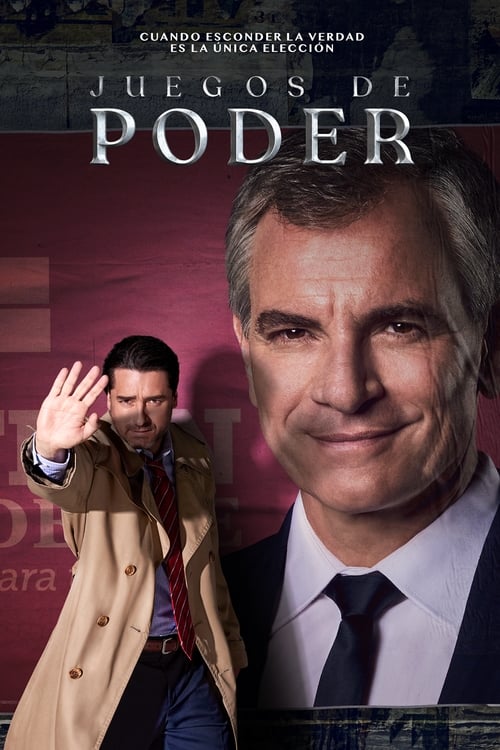
In the opening scenes of "Juegos de poder," we are introduced to the main character, a young and ambitious politician named Santiago. He is seen giving a passionate speech at a political rally, where he expresses his commitment to fighting corruption and improving the lives of the citizens. The atmosphere is charged with energy, and Santiago's charisma captivates the audience. However, we quickly learn that his idealism is challenged by the harsh realities of political life.
As Santiago navigates the political landscape, he encounters various influential figures, including the seasoned politician and his mentor, Ricardo. Ricardo is a complex character who has his own agenda and is deeply entrenched in the corrupt system Santiago wishes to dismantle. Their relationship is strained as Santiago begins to question Ricardo's methods and motives. This internal conflict sets the stage for Santiago's moral dilemmas throughout the series.
The plot thickens when Santiago uncovers a scandal involving a powerful business tycoon, who is linked to illegal activities and bribery within the government. Santiago's discovery is a turning point; he realizes that exposing this corruption could jeopardize his career but also serve the greater good. He grapples with the decision to go public with the information, weighing the potential consequences against his desire for justice.
In a tense meeting with his campaign team, Santiago decides to take a stand. He chooses to leak the information to the press, believing that transparency is essential for change. The fallout is immediate; the media frenzy surrounding the scandal thrusts Santiago into the spotlight, but it also puts him at odds with powerful enemies who will stop at nothing to protect their interests. The stakes are raised as threats begin to emerge against him and his loved ones.
As the investigation unfolds, Santiago faces increasing pressure from both his political rivals and his own party. He is confronted by a rival politician, who attempts to discredit him by revealing personal secrets and painting him as a hypocrite. This confrontation is heated, with accusations flying and emotions running high. Santiago's resolve is tested, but he remains determined to fight for his principles.
Amidst the chaos, Santiago's personal life begins to unravel. His relationship with his girlfriend, Valeria, becomes strained as she struggles to understand the risks he is taking. Their conversations are filled with tension, as Valeria fears for Santiago's safety and questions whether his ambitions are worth the potential cost. This emotional turmoil adds depth to Santiago's character, highlighting the sacrifices he must make for his political ideals.
As the series progresses, Santiago finds himself increasingly isolated. Allies turn into adversaries, and he must navigate a web of betrayal and deceit. A pivotal moment occurs when he receives a threatening message, warning him to back down from the investigation. This moment solidifies his determination to continue, but it also heightens the sense of danger surrounding him.
In a climactic sequence, Santiago confronts the business tycoon at a public event. The tension is palpable as they exchange heated words, with Santiago accusing him of corruption and exploitation. The confrontation escalates, drawing the attention of the media and the public. Santiago's bravery in standing up to such a powerful figure earns him both admiration and further threats.
The series reaches a critical juncture when Santiago is faced with a choice: to continue his fight against corruption or to accept a lucrative offer from a political party that promises safety and power. This decision weighs heavily on him, as he reflects on his journey and the ideals he once held dear. Ultimately, he chooses to reject the offer, reaffirming his commitment to his cause.
In the final episodes, the investigation culminates in a dramatic courtroom showdown. Santiago testifies against the tycoon, presenting evidence of the corruption that has plagued the system. The tension in the courtroom is thick, with both sides presenting their arguments passionately. The outcome hangs in the balance, and Santiago's fate is uncertain as the judge deliberates.
The series concludes with Santiago emerging as a symbol of hope and resilience. Despite the challenges he faced, he remains steadfast in his beliefs, inspiring others to join the fight against corruption. The final scenes depict a renewed sense of purpose among the citizens, as they rally behind Santiago's vision for a better future. The emotional weight of his journey resonates, leaving a lasting impact on both him and the audience.








What is the ending?
In the ending of "Juegos de poder," the political intrigue culminates in a dramatic confrontation that reveals the true nature of power and betrayal. The main characters face the consequences of their actions, leading to a series of revelations that change their lives forever.
As the final episodes unfold, the tension escalates. The protagonist, a determined journalist named Valeria, uncovers a web of corruption involving high-ranking officials and powerful business figures. Her relentless pursuit of the truth puts her in grave danger, but she remains undeterred, driven by a sense of justice and the need to expose the truth.
In a climactic scene, Valeria confronts the corrupt politician, who has been orchestrating a series of illegal activities. The confrontation is fraught with tension, as Valeria lays bare the evidence she has gathered. The politician, cornered, attempts to manipulate the situation, but Valeria stands firm, embodying the fight for integrity in a corrupt system.
Meanwhile, other characters face their own fates. Valeria's mentor, a seasoned journalist, sacrifices himself to protect her, ultimately leading to his tragic demise. This act of bravery highlights the theme of loyalty and the personal costs of seeking the truth.
As the series concludes, Valeria's efforts lead to a public outcry, resulting in the arrest of several key figures involved in the corruption. However, the victory is bittersweet. Valeria is left grappling with the loss of her mentor and the realization that the fight against corruption is far from over. The final scenes depict her walking away from the chaos, a mix of determination and sorrow etched on her face, symbolizing the ongoing struggle for justice.
In summary, the ending of "Juegos de poder" encapsulates the complexities of power, the sacrifices made in the pursuit of truth, and the enduring spirit of those who dare to challenge the status quo. Each character's fate serves as a poignant reminder of the personal stakes involved in the battle against corruption.
Is there a post-credit scene?
In the TV show "Juegos de poder," there is no post-credit scene. The series concludes its narrative without any additional scenes after the credits roll. The final moments of the show focus on the resolution of the main plotlines, leaving viewers with a sense of closure regarding the characters' arcs and the political intrigue that has unfolded throughout the series. The absence of a post-credit scene emphasizes the weight of the concluding events, allowing the audience to reflect on the complex themes of power, betrayal, and justice that have been central to the story.
What motivates the character of Santiago to engage in political manipulation?
Santiago is driven by a deep-seated desire for power and control, stemming from his tumultuous past and the need to prove himself in a corrupt political landscape. His internal conflict often manifests as he grapples with the moral implications of his actions, leading to moments of vulnerability that reveal his fear of failure and loss.
How does the relationship between Santiago and his father influence the plot?
The strained relationship between Santiago and his father serves as a catalyst for many of Santiago's decisions throughout the series. His father's disapproval and expectations weigh heavily on him, pushing Santiago to seek validation through increasingly ruthless political maneuvers, which ultimately complicates his personal life and relationships.
What role does the character of Valeria play in Santiago's journey?
Valeria acts as both a confidante and a moral compass for Santiago. Her unwavering principles challenge his often unscrupulous tactics, creating tension between them. As Santiago becomes more embroiled in his schemes, Valeria's attempts to steer him towards a more ethical path highlight his internal struggle and the consequences of his choices.
How does the theme of betrayal manifest through the character of Javier?
Javier's betrayal is pivotal to the plot, as it not only affects Santiago's political ambitions but also deeply impacts their personal relationship. Javier's motivations are rooted in jealousy and ambition, and his actions serve as a stark reminder of the treachery that permeates the political arena, leading to a dramatic fallout that alters the course of Santiago's plans.
What are the consequences of Santiago's decisions on his family dynamics?
Santiago's relentless pursuit of power creates a rift within his family, particularly with his wife and children. His choices lead to emotional distance and conflict, as they struggle to reconcile their love for him with the man he is becoming. The strain on these relationships adds a layer of complexity to Santiago's character, showcasing the personal costs of his ambition.
Is this family friendly?
"Juegos de poder," produced in 2019, is a political drama that delves into themes of power, corruption, and moral dilemmas. While it offers a gripping narrative, it contains several elements that may not be suitable for children or sensitive viewers.
-
Violence and Threats: The series includes scenes of physical violence and intimidation, reflecting the darker aspects of political maneuvering. Characters may face threats to their safety, which can be intense and unsettling.
-
Corruption and Betrayal: The plot revolves around political corruption, betrayal, and manipulation, which may be complex and difficult for younger viewers to understand. The emotional weight of these themes can be heavy.
-
Mature Themes: The show explores adult themes such as power struggles, moral ambiguity, and the consequences of ambition, which may not resonate well with younger audiences.
-
Emotional Turmoil: Characters experience significant emotional distress, including anxiety, fear, and despair, which can be intense and may evoke strong feelings in viewers.
-
Language: There may be instances of strong language or adult dialogue that could be inappropriate for younger viewers.
Overall, "Juegos de poder" is more suited for mature audiences due to its complex themes and emotional depth.