













Popular
How does the theme of revenge manifest in the actions of the characters?
What are the main conflicts between the Montalbán and the Valdés families?
How does the character of María Elsa evolve throughout the series?
What role does Father Reynaldo play in the story, and how does his relationship with María Elsa develop?
What secrets are revealed about the character of Don Eladio Montalbán?
Should I watch it?
Ask Your Own Question

What is the plot?
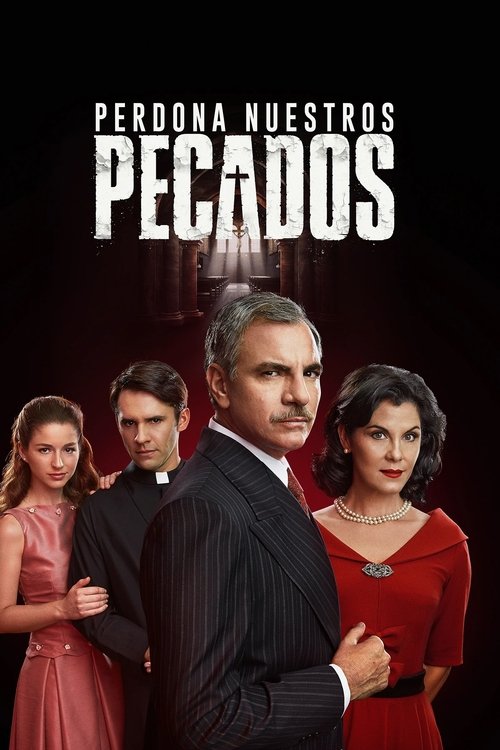
In the small town of Villa Ruiseñor in the 1950s, the story begins with the arrival of the new priest, Father Reynaldo, who is determined to bring moral order to the community. He quickly becomes a central figure in the lives of the townspeople, particularly the wealthy and influential Del Valle family. The family is led by the matriarch, Doña Elvira, who is fiercely protective of her children and their reputation.
As the narrative unfolds, we are introduced to the Del Valle siblings: the ambitious and manipulative Lucía, the kind-hearted but naive María, and the brooding and troubled Diego. Lucía is particularly fixated on maintaining the family's status and is willing to go to great lengths to achieve her goals. She becomes involved in a secret affair with Father Reynaldo, which complicates her relationships with her family and the church.
Meanwhile, María develops a romantic interest in a local man named Esteban, who comes from a less privileged background. Their relationship is met with disapproval from Lucía and Doña Elvira, who believe that María should marry someone of higher social standing. This tension creates a rift between the sisters, as María struggles to assert her independence while navigating her family's expectations.
As the story progresses, a series of tragic events unfold. A mysterious fire breaks out at the Del Valle estate, leading to the death of a family member. This incident sends shockwaves through the community and raises suspicions about the true cause of the fire. The townspeople begin to gossip, and the Del Valle family's reputation is put at risk.
Father Reynaldo finds himself torn between his duties as a priest and his feelings for Lucía. He grapples with guilt and the moral implications of their relationship, which leads to a crisis of faith. His internal struggle is compounded by the increasing scrutiny from the church and the townspeople, who begin to question his integrity.
In a pivotal moment, Lucía discovers that she is pregnant with Father Reynaldo's child. Faced with the prospect of scandal, she decides to confront him about their future. Reynaldo, overwhelmed by the situation, contemplates leaving the priesthood to be with her, but ultimately chooses to remain in his position, believing it to be his calling.
As tensions rise, the Del Valle family faces external threats as well. A rival family, the Mardones, seeks to undermine their influence in the town. This rivalry escalates into a series of confrontations, including a public altercation that exposes the Del Valle family's vulnerabilities. Lucía, desperate to protect her family's name, resorts to manipulation and deceit, further straining her relationships with her siblings.
The climax of the story occurs when the truth about the fire is revealed. It is discovered that the fire was intentionally set, and the culprit is linked to the Mardones family. This revelation leads to a dramatic confrontation between the two families, culminating in a violent showdown that leaves several characters injured and the town in chaos.
In the aftermath, the Del Valle family must come to terms with the consequences of their actions. Lucía's manipulations are exposed, leading to a fracture in her relationship with her siblings. María, heartbroken over the fallout, decides to leave Villa Ruiseñor in search of a new life, while Diego grapples with his own demons and the impact of the family's choices on his future.
Father Reynaldo, now faced with the fallout of his affair and the chaos in the town, ultimately decides to leave Villa Ruiseñor. He seeks redemption and a chance to start anew, leaving behind the complicated web of relationships and moral dilemmas that have defined his time in the town.
The series concludes with the Del Valle family forever changed, as they navigate the aftermath of their choices and the impact of their secrets on their lives and the community. The final scenes depict the characters reflecting on their past, with a sense of uncertainty about the future, as the town of Villa Ruiseñor begins to heal from the turmoil that has unfolded.







What is the ending?
In the ending of "Perdona nuestros pecados," the story culminates in a series of dramatic confrontations and resolutions. The main characters face the consequences of their actions, leading to a bittersweet conclusion where love, sacrifice, and redemption intertwine.
As the final episodes unfold, we see the aftermath of the intense conflicts that have plagued the characters throughout the series. The tension between the powerful and corrupt figures in the town, particularly the Larraín family, and the more virtuous characters, such as the priest, is at its peak. The series concludes with a sense of closure for some characters while leaving others with unresolved fates.
Now, let's delve into the ending in a more detailed, chronological narrative.
The final episodes begin with the town in turmoil, as the truth about the Larraín family's dark secrets begins to unravel. The atmosphere is thick with tension, and the townspeople are restless, demanding justice for the wrongs that have been committed. The camera pans through the streets, capturing the anxious faces of the townsfolk, their whispers echoing the growing unrest.
In a pivotal scene, the protagonist, the priest, confronts the head of the Larraín family, Don Mateo. The confrontation takes place in the dimly lit church, where the priest's faith is tested against the backdrop of corruption and sin. The priest, filled with righteous anger, demands accountability for the suffering caused by Mateo's actions. The emotional weight of this scene is palpable, as the priest grapples with his own beliefs and the moral dilemmas he faces.
Meanwhile, the character of Emilia, who has been torn between her love for the priest and her loyalty to her family, finds herself at a crossroads. In a heart-wrenching moment, she chooses to stand with the priest, symbolizing her rejection of her family's corrupt legacy. The scene is charged with emotion as she steps away from her family's influence, tears streaming down her face, signifying her internal struggle and ultimate decision to seek redemption.
As the climax approaches, the town gathers for a public trial where the Larraín family is held accountable for their crimes. The courtroom is filled with tension, and the townspeople's faces reflect a mix of hope and fear. The priest delivers a powerful speech, urging the community to stand united against injustice. His words resonate deeply, igniting a sense of empowerment among the townsfolk.
In the final moments of the trial, the verdict is announced. The Larraín family is found guilty, and the consequences of their actions lead to their downfall. Mateo, once a figure of power, is left humiliated and stripped of his influence. The camera captures his defeated expression, a stark contrast to his earlier arrogance.
As the dust settles, we see Emilia and the priest standing together outside the courthouse. Their eyes meet, filled with a mixture of relief and uncertainty about the future. They embrace, symbolizing their shared journey towards healing and forgiveness. The scene is tender, highlighting their emotional connection and the sacrifices they have made for one another.
In the closing scenes, the town begins to rebuild, and the atmosphere shifts from one of despair to hope. The priest, now a symbol of resilience, continues to guide the community, while Emilia takes on a new role, helping to lead the town towards a brighter future. The final shot lingers on the two of them, hand in hand, as they walk through the streets, embodying the themes of love, redemption, and the possibility of a new beginning.
The fates of the main characters are intertwined with the town's transformation. The priest emerges as a beacon of hope, Emilia finds her strength in standing against her family's legacy, and the Larraín family faces the consequences of their actions, serving as a cautionary tale about the dangers of power and corruption. The series concludes with a sense of resolution, leaving the audience with a poignant reminder of the complexities of human nature and the enduring quest for redemption.
Is there a post-credit scene?
In the TV show "Perdona nuestros pecados," there is no post-credit scene. The series concludes its narrative without any additional scenes after the credits roll. The final episodes wrap up the complex storylines and character arcs, providing closure to the various conflicts and relationships that have developed throughout the series. The focus remains on the resolution of the main plot points, leaving viewers with a sense of completion rather than teasing future developments.
How does the theme of revenge manifest in the actions of the characters?
Revenge is a driving force for several characters, particularly in the context of the Montalbán-Valdés feud. Characters like María Elsa and her brother, who feel wronged by the Montalbáns, plot their retribution through various means, including manipulation and deceit. This theme is illustrated through intense confrontations and strategic alliances, as characters seek to reclaim their power and honor. The emotional weight of revenge is palpable, as it leads to tragic consequences and moral dilemmas, ultimately affecting the relationships and fates of all involved.
What are the main conflicts between the Montalbán and the Valdés families?
The Montalbán and Valdés families are embroiled in a bitter rivalry that stems from deep-seated grudges and personal betrayals. The Montalbáns, led by the ambitious and manipulative Don Eladio, seek to maintain their social status and power, while the Valdés family, particularly through the character of the passionate and strong-willed María Elsa, strives to break free from the oppressive societal norms imposed by the Montalbáns. This conflict escalates as secrets are revealed, including infidelities and past traumas, leading to intense confrontations and emotional turmoil.
How does the character of María Elsa evolve throughout the series?
María Elsa begins as a sheltered and naive young woman, deeply influenced by her family's expectations and the societal norms of the time. As the series progresses, she experiences profound personal growth, catalyzed by her forbidden love for the priest, Father Reynaldo. Her internal struggle between duty and desire leads her to challenge the patriarchal constraints of her environment. This evolution is marked by moments of defiance, heartbreak, and ultimately, a quest for autonomy, showcasing her transformation into a strong, independent figure.
What role does Father Reynaldo play in the story, and how does his relationship with María Elsa develop?
Father Reynaldo serves as a moral compass and a source of inner conflict for María Elsa. Initially, he embodies the ideals of faith and duty, but his growing feelings for María Elsa complicate his role as a priest. Their relationship develops from a platonic bond rooted in shared values to a passionate, forbidden romance that challenges both their beliefs and societal expectations. This relationship is fraught with tension, guilt, and longing, ultimately forcing Reynaldo to confront his own faith and the sacrifices he must make for love.
What secrets are revealed about the character of Don Eladio Montalbán?
Don Eladio Montalbán is portrayed as a powerful and ruthless patriarch, but as the series unfolds, dark secrets about his past come to light. It is revealed that he has committed numerous immoral acts to maintain his family's status, including manipulation, betrayal, and even murder. His complex character is further explored through flashbacks that depict his rise to power and the personal sacrifices he made, including the emotional toll on his family. These revelations add layers to his character, showcasing the duality of his ambition and the moral decay it brings.
Is this family friendly?
"Perdona nuestros pecados" is a drama series that delves into themes of love, betrayal, and moral dilemmas set against the backdrop of a conservative society. While it has compelling storytelling, there are several aspects that may be considered objectionable or upsetting for children or sensitive viewers:
-
Violence and Threats: The show includes scenes of physical violence and threats, which can be intense and distressing. Characters often face life-threatening situations that evoke fear and tension.
-
Infidelity and Betrayal: The narrative explores complex relationships, including infidelity and emotional betrayal, which may be difficult for younger viewers to understand or process.
-
Moral Ambiguity: Characters often grapple with moral dilemmas, leading to actions that may be seen as unethical or troubling. This can create a sense of discomfort regarding right and wrong.
-
Emotional Turmoil: The characters experience significant emotional pain, including grief, loss, and despair. These themes are portrayed in a raw and impactful manner, which may be upsetting for sensitive viewers.
-
Social Issues: The show addresses societal issues such as class disparity, gender roles, and the consequences of societal judgment, which may be heavy topics for younger audiences.
-
Romantic and Sexual Content: There are scenes that involve romantic relationships and sexual tension, which may not be suitable for all viewers, particularly children.
Overall, while "Perdona nuestros pecados" offers rich storytelling and character development, its mature themes and emotional depth may not be appropriate for a family-friendly viewing experience.









