









Popular
What challenges does Toni face as a male midwife in a predominantly female profession?
How does Toni's relationship with his mentor, the experienced midwife, evolve throughout the series?
What personal struggles does Toni encounter in his romantic life while balancing his career as a midwife?
How does Toni handle the emotional weight of the births he attends, particularly in difficult situations?
What role does Toni's family play in his journey as a midwife, and how do they react to his career choice?
Should I watch it?
Ask Your Own Question

What is the plot?
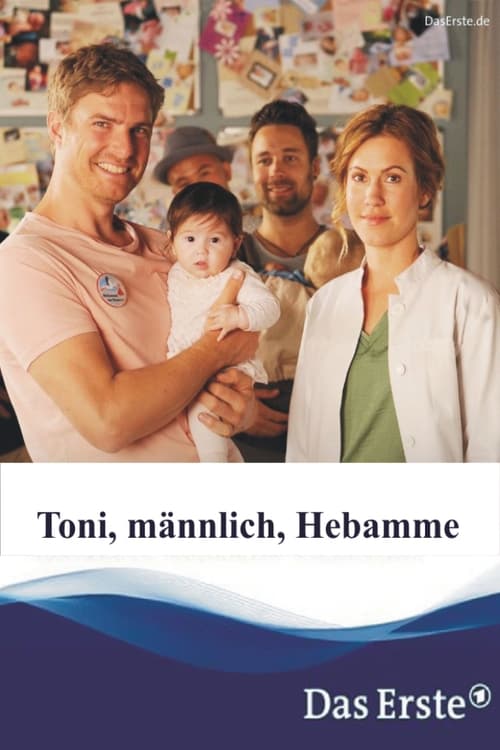
Toni, a male midwife, is introduced as a dedicated and passionate professional working in a hospital. He is shown navigating the challenges of his job, which includes dealing with expectant mothers, their families, and the medical staff. His commitment to his work is evident as he provides emotional support to the women in labor, showcasing his nurturing nature.
As the story unfolds, Toni's personal life is explored. He is depicted as a man who struggles with societal expectations and stereotypes surrounding masculinity and his profession. His interactions with colleagues reveal a mix of admiration and skepticism regarding his role as a male midwife. This tension is highlighted during a staff meeting where Toni's contributions are overshadowed by the more traditional views of his peers.
A significant plot point occurs when Toni is assigned to assist a high-profile patient, a celebrity who is expecting a child. This situation brings additional pressure as the media begins to take an interest in Toni's role. He grapples with the attention and the expectations placed upon him, which leads to moments of self-doubt. Despite this, he remains focused on providing the best care possible.
Toni's relationship with his mentor, a seasoned midwife named Ines, is central to the narrative. Ines serves as a guiding figure for Toni, encouraging him to embrace his unique position in the field. Their bond deepens as they face challenges together, including a particularly difficult delivery that tests Toni's skills and resolve. Ines's support helps Toni gain confidence, and he begins to assert himself more in the workplace.
As the story progresses, Toni faces a personal crisis when he learns that his estranged father is gravely ill. This revelation forces him to confront unresolved feelings about his family and his past. He struggles with the decision to visit his father, torn between his professional responsibilities and the need for closure. Ultimately, he decides to go, leading to an emotional reunion that brings both pain and healing.
The climax of the series occurs during a particularly chaotic day at the hospital. Toni is called to assist in multiple deliveries simultaneously, showcasing his ability to multitask under pressure. The scenes are intense, filled with the sounds of labor and the urgency of the medical environment. Toni's skills are put to the test as he navigates complications with one of the deliveries, requiring quick thinking and decisive action.
In the aftermath of the chaotic day, Toni reflects on his experiences and the impact they have had on him. He begins to understand the importance of balancing his personal and professional life. The series concludes with Toni finding a renewed sense of purpose in his work, embracing his identity as a male midwife and the unique perspective he brings to the field. His journey is one of self-acceptance and growth, culminating in a hopeful outlook for the future.







What is the ending?
In the ending of "Toni, männlich, Hebamme," Toni faces a pivotal moment in his life as he navigates the challenges of being a male midwife in a profession dominated by women. He ultimately finds acceptance and a sense of belonging, both in his career and personal life, culminating in a heartfelt resolution with his family and colleagues.
As the final episodes unfold, we see Toni grappling with the pressures of his job and the societal expectations placed upon him. He has been striving to prove himself in a field where he often feels like an outsider. The climax occurs when he is faced with a critical situation involving a complicated birth. His skills and instincts are put to the test, and he must rely on his training and intuition to support the mother and ensure a safe delivery.
In the aftermath of this intense experience, Toni receives recognition from his peers, which solidifies his place in the midwifery community. He also reconciles with his family, particularly with his father, who has struggled to understand Toni's career choice. This reconciliation is marked by a poignant conversation where they express their love and respect for one another, bridging the gap that had previously existed between them.
The series concludes with Toni embracing his identity as a male midwife, surrounded by supportive colleagues and a newfound sense of purpose. He stands confidently in his role, having overcome the challenges and prejudices he faced throughout the series.
In a more detailed narrative:
The final scenes of "Toni, männlich, Hebamme" begin with a tense atmosphere in the delivery room. Toni is on call, and the urgency of the situation is palpable. A young mother, visibly anxious, is in labor, and complications arise. Toni's heart races as he assesses the situation, recalling his training and the advice of his mentor. He takes a deep breath, focusing on the mother's needs, reassuring her with calm words and steady hands.
As the labor progresses, Toni's confidence grows. He communicates effectively with the medical team, demonstrating his knowledge and skills. The camera captures the sweat on his brow, the intensity in his eyes, and the determination etched on his face. The mother, initially frightened, begins to trust him, and their connection deepens as he guides her through the pain.
After a harrowing delivery, the baby is born healthy, and the room erupts in relief and joy. Toni's colleagues express their admiration, and for the first time, he feels a genuine sense of belonging. The scene shifts to a celebratory atmosphere, where Toni is congratulated by his peers, and he realizes that he has earned their respect.
The narrative then transitions to a quieter moment at home. Toni sits with his father, who has been skeptical of his career choice throughout the series. The tension is thick as they discuss the challenges Toni has faced. In a heartfelt exchange, Toni opens up about his struggles and triumphs, revealing his passion for midwifery. His father listens, and the walls between them begin to crumble. They share a moment of vulnerability, and Toni's father finally acknowledges his son's dedication and talent.
The series concludes with a montage of Toni in his element, confidently working alongside his colleagues, attending to expectant mothers, and embracing his role as a male midwife. The final shot captures him smiling, surrounded by friends and family, embodying the acceptance and fulfillment he has fought so hard to achieve. The screen fades to black, leaving viewers with a sense of hope and the message that passion and perseverance can lead to acceptance and success, regardless of societal norms.
Is there a post-credit scene?
In the TV show "Toni, männlich, Hebamme," there is no post-credit scene. The series concludes its episodes without any additional scenes after the credits roll. The focus remains on the narrative and character development throughout the episodes, wrapping up the storylines without extending into post-credit content. The show emphasizes the challenges and experiences of Toni, a male midwife, and his interactions with expectant parents, colleagues, and the emotional landscape of childbirth, leaving viewers with a sense of closure at the end of each episode.
What challenges does Toni face as a male midwife in a predominantly female profession?
Toni faces significant challenges as a male midwife, including skepticism and prejudice from both colleagues and patients. His journey is marked by moments of doubt and determination as he strives to prove his competence in a field traditionally dominated by women. He often grapples with the need to assert his identity and skills while navigating the complexities of gender roles in midwifery.
How does Toni's relationship with his mentor, the experienced midwife, evolve throughout the series?
Toni's relationship with his mentor begins with tension, as she initially doubts his abilities and questions his motivations for entering the profession. However, as the series progresses, their dynamic shifts from skepticism to mutual respect. Toni learns valuable lessons from her, and she gradually recognizes his passion and dedication, leading to a supportive partnership.
What personal struggles does Toni encounter in his romantic life while balancing his career as a midwife?
Toni's romantic life is complicated by his demanding career. He often finds it difficult to maintain relationships due to the emotional toll of his job and the unpredictable hours. His interactions with potential partners reveal his vulnerability and desire for connection, but he frequently prioritizes his responsibilities as a midwife, leading to conflicts and heartache.
How does Toni handle the emotional weight of the births he attends, particularly in difficult situations?
Toni experiences a range of emotions while attending births, from joy to profound sadness. In difficult situations, such as complications during delivery, he must remain composed while internally grappling with fear and anxiety. His empathy for the families involved drives him to provide support, but he also faces moments of self-doubt, questioning whether he can handle the emotional burden of such experiences.
What role does Toni's family play in his journey as a midwife, and how do they react to his career choice?
Toni's family plays a significant role in his journey, providing both support and conflict. His parents have mixed feelings about his career choice, with his mother being more accepting while his father struggles to understand his decision to become a midwife. Their reactions reflect broader societal attitudes towards gender roles, and Toni's interactions with them often highlight his desire for acceptance and validation in his chosen path.
Is this family friendly?
"Toni, männlich, Hebamme" is generally considered family-friendly, but it does contain some themes and scenes that may be sensitive for children or more sensitive viewers. Here are a few aspects to consider:
-
Birth Scenes: The show features realistic depictions of childbirth, which may be intense or uncomfortable for some viewers, especially younger children.
-
Emotional Struggles: Characters experience various emotional challenges, including anxiety, relationship issues, and the pressures of parenthood, which may resonate deeply and evoke strong feelings.
-
Personal Conflicts: There are moments of conflict between characters that can lead to emotional distress, including arguments and misunderstandings that may be upsetting.
-
Social Issues: The show touches on themes such as gender roles and societal expectations, which may prompt discussions that some viewers might find challenging.
-
Loss and Grief: There are instances where characters deal with loss, which can be a heavy topic for younger audiences.
Overall, while the show is designed to be accessible, these elements may require parental guidance for younger viewers.