
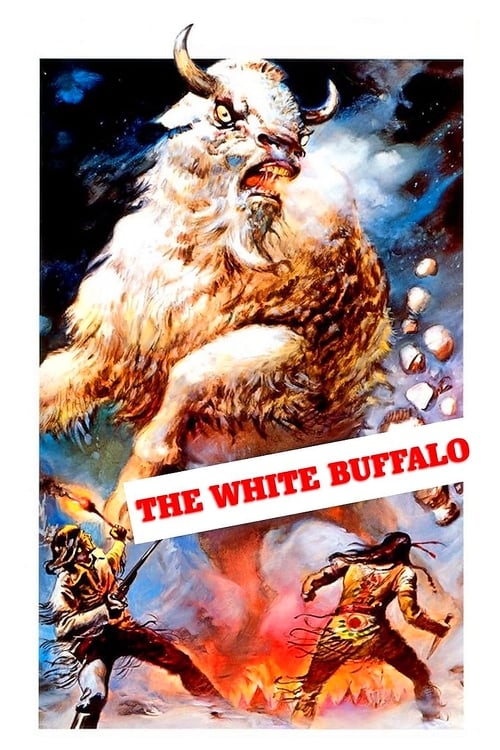

Popular
What motivates the character of Wild Bill Hickok in his pursuit of the white buffalo?
How does the character of the Indian chief, Crazy Horse, influence the story?
What role does the white buffalo play in the lives of the characters?
How does the film depict the relationship between Wild Bill Hickok and the Native American characters?
What are the key events leading up to the final confrontation with the white buffalo?
Should I watch it?
Ask Your Own Question

What is the plot?
Sorry, we aren't able to watch and write up a full detailed plot yet. Check back in a few days.


What is the ending?
In the ending of "The White Buffalo," the main character, Wild Bill Hickok, confronts the legendary white buffalo in a climactic showdown. After a fierce battle, he ultimately kills the buffalo, but the victory is bittersweet as he realizes the deeper implications of his actions. The film concludes with Wild Bill reflecting on his life and the cycle of violence, leaving him with a sense of emptiness.
As the film approaches its conclusion, the tension builds as Wild Bill Hickok, portrayed by Charles Bronson, prepares for the final confrontation with the mythical white buffalo. The setting is a desolate landscape, filled with the remnants of past battles and the weight of Hickok's own troubled history. He is haunted by the memories of his past, particularly the loss of his friend, and the buffalo symbolizes both his personal demons and the broader conflict between man and nature.
In the days leading up to the showdown, Hickok is joined by a group of Native Americans, including a chief who understands the significance of the white buffalo. They share stories around the campfire, revealing their deep connection to the land and the creatures that inhabit it. Hickok, initially skeptical, begins to understand the buffalo's importance as a symbol of life and death, and the cycle of existence.
The climactic scene unfolds as Hickok tracks the white buffalo through the rugged terrain. The air is thick with tension, and the atmosphere is charged with anticipation. As he finally comes face to face with the majestic creature, the white buffalo stands tall, embodying both beauty and power. Hickok's internal struggle is palpable; he is torn between the desire for revenge and the recognition of the buffalo's role in the natural order.
The battle is fierce and intense, showcasing Hickok's skill as a marksman and the buffalo's strength and ferocity. The landscape becomes a battleground, with dust swirling around them as they clash. In a moment of desperation, Hickok fires his weapon, and the white buffalo falls. The victory is hollow; as he approaches the fallen creature, he is struck by the realization of what he has done. The weight of his actions sinks in, and he feels a profound sense of loss.
In the aftermath, Hickok stands over the buffalo, grappling with the consequences of his victory. The Native Americans, who had once revered the buffalo, now look on with sorrow. The chief expresses his grief, highlighting the loss of a sacred creature and the disruption of the natural balance. Hickok's face reflects a mix of triumph and regret, as he understands that he has not only killed a beast but has also severed a connection to something greater than himself.
As the film draws to a close, Hickok rides away from the scene, a solitary figure against the vast landscape. His journey is not just a physical one but also an emotional and spiritual reckoning. The final shot lingers on the empty plains, a reminder of the cycle of life and death, and the impact of human actions on the world around them. Hickok's fate remains uncertain, but it is clear that he carries the weight of his choices with him, forever changed by the encounter with the white buffalo.
Is there a post-credit scene?
The movie "The White Buffalo," produced in 1977, does not have a post-credit scene. The film concludes with its final moments, focusing on the resolution of the central conflict between the protagonist, Wild Bill Hickok, and the mythical white buffalo. After the climactic encounter, the story wraps up without any additional scenes or content after the credits. The film ends on a note that emphasizes the themes of fate, loss, and the struggle against overwhelming odds, leaving the audience to reflect on the journey of the characters without any further narrative developments.
What motivates the character of Wild Bill Hickok in his pursuit of the white buffalo?
Wild Bill Hickok, portrayed by Charles Bronson, is driven by a deep sense of vengeance and personal demons stemming from his past. The white buffalo symbolizes not only a formidable challenge but also a manifestation of his guilt and the loss he has experienced. As he embarks on this quest, Hickok is haunted by memories of his fallen comrades and the violence of his life, which fuels his determination to confront the beast.
How does the character of the Indian chief, Crazy Horse, influence the story?
Crazy Horse, played by Will Sampson, serves as a spiritual guide and a representation of Native American culture and beliefs. His character is pivotal in highlighting the connection between the buffalo and the land, as well as the significance of the hunt. He understands the white buffalo as a harbinger of change and a symbol of the struggle between man and nature, which adds depth to Hickok's journey and the broader conflict within the film.
What role does the white buffalo play in the lives of the characters?
The white buffalo is central to the narrative, representing both a literal and metaphorical challenge for the characters. For Hickok, it embodies his quest for redemption and closure, while for Crazy Horse and his tribe, it signifies a connection to their heritage and the natural world. The buffalo's presence evokes fear, reverence, and a sense of destiny, intertwining the fates of the characters as they confront their own inner struggles.
How does the film depict the relationship between Wild Bill Hickok and the Native American characters?
The relationship between Wild Bill Hickok and the Native American characters is complex and evolves throughout the film. Initially marked by tension and misunderstanding, Hickok's interactions with Crazy Horse and the tribe reveal a gradual recognition of their shared humanity and struggles. As the story unfolds, Hickok begins to understand the cultural significance of the buffalo to the Native Americans, leading to moments of mutual respect and a deeper exploration of their respective roles in the changing landscape of the American West.
What are the key events leading up to the final confrontation with the white buffalo?
The key events leading up to the final confrontation include Hickok's initial encounters with the buffalo, which are fraught with danger and foreshadow the ultimate showdown. As he gathers information and allies, including Crazy Horse, the tension builds through a series of hunts and skirmishes that highlight the buffalo's elusive nature. Each encounter serves to deepen Hickok's resolve and the stakes of the hunt, culminating in a climactic battle that tests both his physical prowess and emotional fortitude.
Is this family friendly?
"The White Buffalo," produced in 1977, is a Western film that contains several elements that may not be suitable for children or sensitive viewers. Here are some potentially objectionable or upsetting aspects:
-
Violence: The film features scenes of hunting and conflict, including confrontations between Native Americans and white settlers, which may include graphic depictions of violence.
-
Death: There are moments that involve the death of characters, including animals, which could be distressing for younger viewers.
-
Themes of Revenge: The central plot revolves around themes of vengeance and personal loss, which may be heavy for children to process.
-
Cultural Conflict: The film portrays tensions between different cultures, which may include depictions of prejudice and hostility that could be upsetting.
-
Emotional Turmoil: Characters experience significant emotional pain and trauma, particularly related to loss and grief, which may resonate deeply and be unsettling.
These elements contribute to a more mature narrative that may not be appropriate for all audiences, particularly younger children.








