





Popular
What role does the setting play in the development of the plot?
How does the protagonist's backstory influence their decisions throughout the series?
How do the relationships between the characters evolve over the course of the series?
What challenges does the main character face in their journey throughout the series?
What pivotal moments lead to character transformations in the series?
Should I watch it?
Ask Your Own Question

What is the plot?
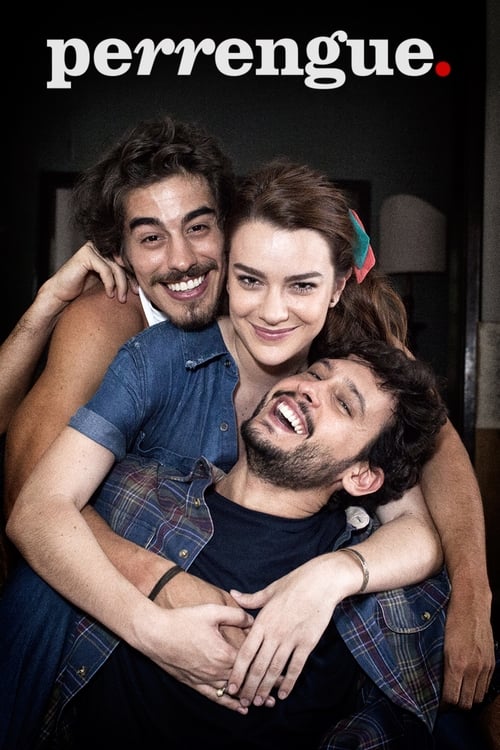
In the opening scenes of "Perrengue," we are introduced to the main character, a young woman named Ana, who is struggling to make ends meet in a bustling city. She works multiple jobs, including as a waitress and a cleaner, to support her family. The audience sees her exhaustion and determination as she juggles her responsibilities, often sacrificing her own needs for the sake of her younger siblings. Ana's internal conflict is palpable; she dreams of a better life but feels trapped in her current situation.
One day, while working at the diner, Ana meets a charming but reckless man named Leo. He is charismatic and full of life, which draws Ana in despite her better judgment. They share a brief but intense connection, and Leo encourages Ana to take risks and pursue her dreams. This encounter ignites a spark of hope in Ana, who begins to consider the possibility of a different life. However, she is also wary of Leo's impulsive nature, which foreshadows future complications.
As their relationship develops, Ana finds herself torn between her responsibilities and her desire for freedom. Leo introduces her to a group of friends who live a carefree lifestyle, and Ana is both fascinated and intimidated by their world. She begins to spend more time with them, which leads to a series of wild adventures that momentarily distract her from her struggles. However, these escapades also create tension with her family, who rely on her support.
The turning point occurs when Leo proposes a risky scheme to make quick money. He suggests they participate in a series of underground street races, promising that the winnings could change their lives. Ana is hesitant but ultimately agrees, driven by her longing for a better future. The first race is exhilarating, filled with adrenaline and danger. Ana feels alive for the first time in years, but the thrill quickly turns to dread when the police arrive, forcing them to flee.
In the aftermath of the race, Ana's family discovers her involvement in the dangerous activities. Her siblings express their disappointment and fear, leading to a heated confrontation. Ana feels guilt and shame, realizing that her choices are putting her family at risk. Despite this, she continues to be drawn to Leo and the excitement he represents, leading to a cycle of conflict between her desires and her responsibilities.
As the races continue, tensions rise within the group. Leo becomes increasingly reckless, pushing the limits and ignoring the dangers involved. During one race, a serious accident occurs, resulting in injuries and chaos. This event serves as a wake-up call for Ana, who begins to question the path she has chosen. She confronts Leo about his behavior, leading to a heated argument where she expresses her fears and frustrations. Leo, feeling cornered, reacts defensively, and their relationship becomes strained.
In a moment of clarity, Ana decides to step back from the racing scene. She focuses on her family and her job, trying to rebuild the trust that has been damaged. However, Leo's persistence and charm pull her back in, and she finds herself caught in a cycle of temptation and regret. The emotional turmoil is evident as Ana grapples with her choices, feeling torn between love and responsibility.
The climax of the story occurs when Leo proposes one final race, claiming it will be their last chance to win big. Ana is conflicted but ultimately agrees, hoping to prove herself and secure a better future for her family. The race is intense, filled with high stakes and dangerous maneuvers. As they speed through the streets, Ana's heart races not just from the thrill but from the weight of her decisions.
During the race, a confrontation with a rival racer escalates, leading to a dramatic crash. Ana is thrown from the car, and the scene is chaotic as she struggles to regain her bearings. The aftermath is devastating; Leo is injured, and the police arrive, leading to a tense standoff. Ana's heart sinks as she realizes the consequences of their actions, and she must make a choice: to stand by Leo or to protect her family.
In the final moments, Ana chooses to leave Leo behind, prioritizing her family's safety over her feelings. She rushes home, where her siblings are waiting, and they embrace in a moment of relief and reconciliation. The film closes with Ana reflecting on her journey, understanding that while the allure of freedom and excitement is strong, her true strength lies in her commitment to her family and her own dreams.









What is the ending?
In the ending of "Perrengue," the main characters face the consequences of their choices and the harsh realities of their lives. The story culminates in a series of confrontations that lead to significant changes for each character, ultimately leaving them to reflect on their paths and the relationships they have forged.
As the final scenes unfold, we see the characters grappling with their decisions. The protagonist, who has been on a tumultuous journey, finds a moment of clarity and resolution. The relationships that have been strained throughout the series come to a head, leading to emotional confrontations and reconciliations. By the end, the characters are left to navigate their futures, shaped by the experiences they have endured.
As the final act of "Perrengue" begins, the atmosphere is thick with tension. The protagonist, a young man named Miguel, stands at a crossroads, both literally and metaphorically. He is in a dimly lit alley, the remnants of a chaotic night swirling in his mind. The camera captures the flickering streetlights, casting shadows that dance around him, mirroring his internal conflict. Miguel's face is etched with worry, reflecting the weight of his decisions and the impact they have had on those around him.
Scene breaks to a nearby café where his best friend, Carlos, sits alone, nursing a drink. Carlos is visibly shaken, his hands trembling slightly as he recalls the events that led them here. The café is filled with the low hum of conversations, but Carlos feels isolated, trapped in his thoughts. He reflects on the choices they made together, the thrill of their reckless adventures now overshadowed by the consequences they face. The camera zooms in on his eyes, revealing a mix of regret and determination.
Back in the alley, Miguel receives a call from his estranged father, a man he has long resented. The conversation is fraught with tension, each word heavy with unspoken emotions. Miguel's voice wavers as he confronts his father about their past, the pain of abandonment surfacing. The scene is intercut with flashbacks of their tumultuous relationship, showcasing moments of anger and longing. As the call ends, Miguel's expression shifts from anger to a fragile sense of acceptance, hinting at his desire for closure.
Meanwhile, Carlos is confronted by his girlfriend, Ana, who has been waiting for him at the café. She is visibly upset, her eyes glistening with unshed tears. The emotional weight of their relationship hangs in the air as they discuss the fallout from their recent choices. Ana's voice trembles as she expresses her fears about their future, and Carlos struggles to find the right words to reassure her. The scene is charged with raw emotion, highlighting the fragility of their bond.
As the night deepens, Miguel and Carlos eventually meet at a park, a place that holds memories of their carefree youth. The moonlight casts a serene glow over the scene, contrasting with the turmoil within them. They sit on a bench, the silence between them heavy with unspoken words. Miguel finally breaks the silence, sharing his newfound clarity about their lives and the need to take responsibility for their actions. Carlos listens intently, his expression shifting from despair to hope as he realizes the importance of their friendship in navigating their challenges.
In the final moments, the characters come together for a poignant confrontation. They gather at a familiar spot, where they once celebrated their victories. The atmosphere is charged with emotion as they face the consequences of their choices. Each character expresses their fears, regrets, and hopes for the future. The dialogue is heartfelt, revealing their vulnerabilities and the strength of their connections.
As dawn breaks, the characters stand together, united in their resolve to move forward. Miguel takes a deep breath, looking out at the horizon, symbolizing a new beginning. Carlos and Ana share a tender moment, reaffirming their commitment to each other despite the challenges ahead. The camera pans out, capturing the trio as they walk away from their past, ready to embrace whatever comes next.
In the end, Miguel, Carlos, and Ana each find a sense of closure and hope, having faced their demons and emerged stronger. The series concludes with a powerful message about friendship, responsibility, and the resilience of the human spirit, leaving the audience with a sense of optimism for the characters' futures.
Is there a post-credit scene?
"Perrengue," produced in 2017, does not feature a post-credit scene. The series concludes its narrative without any additional scenes after the credits roll. The final moments of the show focus on the resolution of the main characters' arcs, providing closure to their struggles and experiences throughout the series. The absence of a post-credit scene allows viewers to reflect on the journey of the characters and the themes of resilience and perseverance that permeate the show.
What role does the setting play in the development of the plot?
The setting in 'Perrengue' is integral to the plot, as it reflects the struggles of the characters. The urban landscape is filled with both opportunities and obstacles, influencing the characters' decisions and interactions, and serving as a backdrop for their personal growth.
How does the protagonist's backstory influence their decisions throughout the series?
The protagonist's backstory is filled with hardship and loss, which deeply influences their decisions. Their past experiences shape their worldview, leading them to be cautious in relationships and driven to succeed, often causing internal conflict as they balance ambition with vulnerability.
How do the relationships between the characters evolve over the course of the series?
The relationships in 'Perrengue' are complex and evolve significantly. Initially, characters may be at odds due to misunderstandings or past grievances, but as they face shared challenges, they begin to form deeper connections, leading to moments of reconciliation and growth.
What challenges does the main character face in their journey throughout the series?
The main character, who is navigating a tumultuous life, faces numerous challenges including financial struggles, relationship conflicts, and the pressure of societal expectations. Each episode presents a new obstacle that tests their resilience and determination.
What pivotal moments lead to character transformations in the series?
Pivotal moments in 'Perrengue' often involve crises or revelations that force characters to confront their fears and insecurities. These moments, such as a betrayal or a significant loss, act as catalysts for transformation, prompting characters to reevaluate their priorities and relationships.
Is this family friendly?
"Perrengue," produced in 2017, is a Brazilian drama that delves into the struggles and challenges faced by its characters, often portraying raw and intense emotions. While the show does explore themes of family, resilience, and personal growth, it also contains elements that may not be suitable for children or sensitive viewers.
-
Intense Emotional Scenes: The show features moments of high emotional tension, including arguments and confrontations that may be distressing for younger audiences.
-
Themes of Poverty and Struggle: The characters often face harsh realities related to poverty, which can be depicted in a stark and unfiltered manner, potentially upsetting for sensitive viewers.
-
Violence and Conflict: There are instances of physical altercations and aggressive behavior that may be unsettling, particularly for children.
-
Substance Abuse: The show touches on issues related to drug use and addiction, which could be inappropriate for younger viewers.
-
Family Dysfunction: The portrayal of dysfunctional family dynamics, including betrayal and emotional neglect, may resonate negatively with sensitive individuals.
Overall, while "Perrengue" offers a compelling narrative, its themes and scenes may not be suitable for all audiences, particularly children or those who are sensitive to intense emotional content.