















Popular
What are the main character's motivations throughout the series?
How does the friendship between the main characters evolve over the series?
What societal issues are addressed through the characters' experiences?
What role does music play in the characters' lives?
How do the characters navigate the challenges of love and relationships?
Should I watch it?
Ask Your Own Question

What is the plot?
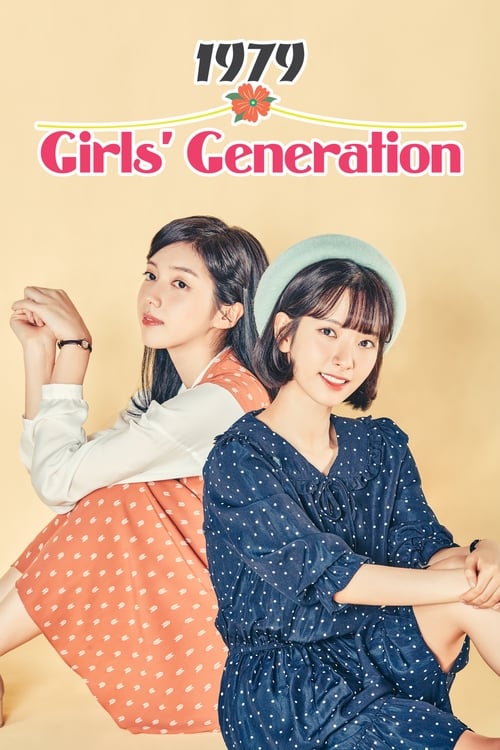
In the year 1979, the story begins in a small town in South Korea, where a group of high school girls navigates the complexities of adolescence against the backdrop of a rapidly changing society. The main character, Kim Eun-hee, is introduced as a bright and ambitious student who dreams of becoming a journalist. She is determined to break free from the traditional expectations placed on young women in her community.
Eun-hee's best friend, Yoon Jin-sook, is more carefree and rebellious, often encouraging Eun-hee to embrace her youthful spirit. The two girls share a close bond, often discussing their dreams and aspirations while dealing with the pressures of school and family. Their friendship is tested when Jin-sook begins to date a boy named Park Sung-joon, who is charming but somewhat of a troublemaker.
As the school year progresses, Eun-hee becomes increasingly aware of the societal expectations for women, particularly regarding marriage and family. She witnesses her classmates being pressured into conforming to traditional roles, which fuels her desire to pursue her dreams. This internal conflict is highlighted during a school event where Eun-hee is praised for her writing, further igniting her passion for journalism.
The plot thickens when Eun-hee discovers that her mother, who has always been supportive of her ambitions, is struggling with her own unfulfilled dreams. This revelation deepens Eun-hee's resolve to succeed, not just for herself but also for her mother. She begins to write articles for the school newspaper, gaining recognition and respect from her peers.
Meanwhile, Jin-sook's relationship with Sung-joon becomes tumultuous as he pressures her to conform to his expectations. Jin-sook finds herself torn between her loyalty to Eun-hee and her desire to fit into the popular crowd. This conflict escalates when Jin-sook makes a decision to skip school with Sung-joon, leading to a series of events that put their friendship at risk.
As the girls navigate their personal challenges, they also face external pressures from their families and society. Eun-hee's father, who is more traditional, disapproves of her ambitions, insisting that she focus on finding a suitable husband. This creates tension at home, as Eun-hee struggles to assert her independence while maintaining her family's expectations.
The climax of the story occurs during a school festival, where Eun-hee is set to present her article on women's rights. However, Jin-sook, feeling the weight of her own choices, confronts Eun-hee, leading to a heated argument that exposes their insecurities and fears. This confrontation forces both girls to reevaluate their friendship and their individual paths.
In the aftermath of the festival, Eun-hee receives an opportunity to intern at a local newspaper, a chance she has long dreamed of. However, this opportunity comes with the risk of further alienating her friends and family. She grapples with the decision, ultimately choosing to pursue her passion, which signifies her growth and commitment to her dreams.
The series concludes with Eun-hee stepping into her new role at the newspaper, symbolizing her journey towards independence and self-acceptance. Jin-sook, on the other hand, begins to understand the importance of making choices that align with her true self, hinting at her own path of self-discovery. The final scenes reflect the changing landscape of South Korea, emphasizing the themes of empowerment and the evolving roles of women in society.








What is the ending?
In the ending of "Girls' Generation 1979," the main characters face the culmination of their personal journeys and the challenges of their youth. The series concludes with a sense of nostalgia and reflection on their friendships, dreams, and the realities of adulthood.
As the final scenes unfold, we see the characters grappling with their futures. The friendships that have been central to the narrative are tested, but ultimately, they find a way to support each other as they step into the next phase of their lives. The series ends on a hopeful note, emphasizing the importance of memories and the bonds formed during their teenage years.
The final episode begins with a soft, golden light filtering through the windows of the girls' high school, signaling the end of an era. The camera pans across the familiar hallways, now filled with echoes of laughter and whispers of dreams. The girls--Kim Ji-soo, Lee Eun-kyung, and their friends--are preparing for their graduation ceremony, a bittersweet moment that encapsulates their journey together.
Scene 1: The Graduation Ceremony The auditorium is filled with students dressed in caps and gowns, their faces a mix of excitement and apprehension. As the principal delivers a speech about the future, Ji-soo's gaze drifts to her friends. She feels a swell of emotion, realizing how much they have shared--their dreams, their struggles, and their laughter. The camera captures her bittersweet smile, reflecting both pride and sadness.
Scene 2: The Aftermath of Graduation After the ceremony, the girls gather outside, the sun shining brightly. They take photos, capturing the moment with wide smiles and playful poses. However, as the laughter fades, a sense of uncertainty settles in. Eun-kyung expresses her fears about leaving their small town, while Ji-soo reassures her, emphasizing that their friendship will endure despite the distance. The camera lingers on their hands clasped together, a symbol of their unbreakable bond.
Scene 3: The Farewell Later, the girls meet at their favorite hangout spot, a small café filled with memories. They reminisce about their high school days, sharing stories that evoke laughter and tears. Ji-soo, feeling the weight of impending change, suggests they make a pact to always support each other, no matter where life takes them. The group agrees, and they each write down their dreams on napkins, vowing to chase them.
Scene 4: Individual Paths As the night progresses, the girls begin to discuss their plans. Ji-soo reveals her desire to pursue a career in fashion, while Eun-kyung contemplates studying abroad. The camera captures their expressions--hopeful yet anxious--as they realize the paths ahead may lead them in different directions. The scene shifts to each character's home, where they reflect on their choices, showcasing their internal struggles and aspirations.
Scene 5: The Final Moments In the closing moments, the girls gather one last time at the café, the atmosphere filled with a mix of joy and melancholy. They exchange heartfelt goodbyes, promising to stay in touch. As they walk away, the camera focuses on Ji-soo, who pauses to look back at the café, a tear glistening in her eye. The screen fades to black, leaving the audience with a sense of nostalgia and the understanding that while their paths may diverge, the memories they created together will always remain.
In the end, Ji-soo embarks on her journey into the fashion world, filled with determination. Eun-kyung takes a leap of faith to study abroad, embracing new experiences. The other friends also step into their futures, each carrying the lessons learned and the bonds formed during their time together. The series concludes with a poignant reminder of the beauty of friendship and the inevitability of change, leaving viewers with a sense of hope for what lies ahead.
Is there a post-credit scene?
In the series "Girls' Generation 1979," there is indeed a post-credit scene that adds a nostalgic touch to the overall narrative. After the final episode concludes, the screen fades to black, and then a new scene emerges, set in a vibrant, sunlit park reminiscent of the 1970s.
The camera pans over a group of young girls, reminiscent of the main characters, playing and laughing together. They are dressed in colorful, vintage clothing, embodying the carefree spirit of youth. The scene captures their innocence and joy, as they chase each other around, their laughter echoing in the air.
As the camera zooms in, we see one of the girls, a young version of one of the main characters, sitting on a swing, lost in thought. She gazes at the sky, her expression a mix of hope and contemplation. This moment serves as a reflection of the dreams and aspirations that the characters in the series held throughout their journey.
The scene transitions to a close-up of a small, handwritten note that the girl pulls from her pocket. The note contains a simple yet profound message about friendship and the importance of cherishing memories. As she reads it, a smile spreads across her face, symbolizing the enduring bonds formed during those formative years.
The post-credit scene concludes with the girl joining her friends, and they all run off together, their laughter fading into the distance. This final moment encapsulates the essence of the series, highlighting themes of friendship, nostalgia, and the bittersweet nature of growing up. It leaves the audience with a sense of warmth and reflection on their own youthful experiences.
What are the main character's motivations throughout the series?
The main character, Kim Ji-soo, is driven by her desire for independence and self-discovery. As a young woman in the 1970s, she grapples with societal expectations while pursuing her dreams of becoming a singer. Her journey reflects her internal struggle between familial obligations and personal aspirations.
How does the friendship between the main characters evolve over the series?
The friendship between Ji-soo and her friends, particularly Lee Eun-kyung and Kim Hye-jin, evolves significantly. Initially, they share a carefree bond, but as they face various challenges, including romantic entanglements and societal pressures, their relationships are tested. Moments of conflict and reconciliation deepen their connection, showcasing the complexities of female friendship.
What societal issues are addressed through the characters' experiences?
The series addresses several societal issues, including gender roles, class disparities, and the struggle for women's rights in the 1970s. Through the characters' experiences, viewers witness the limitations placed on women and the push for autonomy, as they confront societal norms while striving for their dreams.
What role does music play in the characters' lives?
Music serves as a central theme in 'Girls' Generation 1979,' representing both a form of escape and a means of expression for the characters. Ji-soo's passion for singing drives her ambitions, while the music of the era reflects the cultural backdrop of their lives. Key scenes feature performances that highlight their emotional states and aspirations.
How do the characters navigate the challenges of love and relationships?
The characters navigate love and relationships with a mix of hope and uncertainty. Ji-soo experiences her first love, which brings both joy and heartache. The series explores the dynamics of romantic relationships, including jealousy, betrayal, and the quest for genuine connection, illustrating the characters' growth and emotional resilience.
Is this family friendly?
"Girls' Generation 1979" is a coming-of-age drama set in the late 1970s in South Korea, focusing on the lives of teenage girls navigating adolescence, friendship, and societal expectations. While the show captures the innocence and challenges of youth, it does contain some elements that may be considered objectionable or upsetting for children or sensitive viewers.
-
Themes of Bullying: The series portrays instances of bullying among peers, which can be distressing for younger audiences.
-
Family Struggles: There are scenes depicting familial conflicts and struggles, including issues related to parental expectations and financial difficulties, which may resonate with sensitive viewers.
-
Romantic Relationships: The show explores teenage crushes and relationships, which may include emotional turmoil and heartbreak.
-
Cultural Context: Some cultural references and societal norms of the 1970s may be challenging for modern viewers to understand, potentially leading to discomfort.
-
Mature Conversations: There are discussions about personal identity, societal roles, and the pressures of growing up that may be complex for younger viewers.
Overall, while "Girls' Generation 1979" is not overtly graphic or explicit, it does address themes that could be sensitive for children or those who are particularly sensitive to emotional or social issues.









