





















Popular
How does the setting influence the characters' actions and decisions?
How does the relationship between the protagonist and the antagonist evolve throughout the series?
What motivates the main character to commit the attempted murder?
What role does the supporting character play in the protagonist's decision-making process?
What are the key turning points that escalate the conflict in the story?
Should I watch it?
Ask Your Own Question

What is the plot?
In the opening scene of "Attempted Murder," we are introduced to the protagonist, Sarah, a dedicated and ambitious journalist. She is seen working late in her office, poring over police reports and crime statistics. Her determination to uncover the truth about a series of unsolved murders in her city is palpable. As she types her notes, she receives a mysterious email containing a cryptic message about a potential lead. Intrigued, she decides to follow up on it, despite her editor's warnings to focus on less dangerous stories.
The next day, Sarah meets with a source, a former detective named Mark, who has information about the murders. He reveals that the cases are connected and that there is a suspect who has evaded capture for years. Mark expresses his concern for Sarah's safety, but she is resolute, driven by her desire to expose the truth. They agree to meet again later that week to discuss further details.
As Sarah digs deeper, she begins to receive threatening messages warning her to stop her investigation. The tension escalates when she finds her apartment ransacked, with her notes and evidence missing. This incident shakes her, but it only strengthens her resolve. She decides to confront the suspect directly, believing that it will lead her to the answers she seeks.
In a tense sequence, Sarah tracks down the suspect, a man named David, to a rundown bar. She approaches him under the guise of wanting to interview him for a story. The atmosphere is thick with tension as she engages him in conversation, trying to gauge his reactions. David becomes increasingly agitated, and when Sarah presses him about the murders, he threatens her, warning her to back off. The confrontation ends with Sarah narrowly escaping the bar, shaken but more determined than ever.
Following this encounter, Sarah enlists the help of her friend and tech-savvy colleague, Lisa. Together, they work to uncover more about David's background. They discover that he has a history of violence and a connection to the victims. As they piece together the puzzle, they realize that David is not just a suspect but potentially the key to a larger conspiracy involving corrupt officials.
As Sarah and Lisa continue their investigation, they are ambushed by an unknown assailant while leaving a meeting. A chase ensues through the dark alleyways of the city. Sarah's heart races as she navigates the narrow streets, adrenaline pumping. They manage to escape, but the incident leaves them rattled. They decide to go to the police, but when they arrive, they find that the officer they speak to is dismissive and unhelpful, further complicating their efforts.
Determined to take matters into their own hands, Sarah and Lisa devise a plan to lure David out into the open. They set up a fake meeting, using a decoy to draw him in. The plan works, and David shows up, but he is not alone. He brings a group of men with him, and a violent confrontation breaks out. Sarah and Lisa fight back, using their surroundings to their advantage. The scene is chaotic, with punches thrown and objects used as weapons. Sarah's fear is palpable, but her determination to survive and expose the truth drives her forward.
In the aftermath of the fight, Sarah manages to capture evidence on her phone, documenting David's involvement in the murders. However, as they attempt to leave, they are cornered by the police, who have been tipped off about the altercation. Sarah is arrested, and Lisa is taken in for questioning. The tension mounts as Sarah realizes that the very system she sought to expose is now working against her.
While in custody, Sarah uses her time to reflect on her investigation and the risks she has taken. She is determined to clear her name and continue her pursuit of justice. With the help of a sympathetic officer, she manages to get a message to Mark, who agrees to help her gather more evidence against David and the corrupt officials involved.
The climax of the story unfolds as Sarah, Mark, and Lisa work together to orchestrate a final confrontation with David. They set a trap, using the evidence they have gathered to confront him in a public setting. The tension is high as they confront him, and a heated exchange ensues. David, cornered and desperate, reveals the extent of his involvement and the names of those who helped him evade justice.
In a dramatic twist, just as it seems they have the upper hand, David pulls a weapon, leading to a standoff. Sarah's heart races as she realizes the danger they are in. However, Mark intervenes, using his training to disarm David in a tense and gripping moment. The police arrive just in time to apprehend David and his accomplices.
The story concludes with Sarah finally getting the recognition she deserves for her investigative work. She reflects on the dangers she faced and the sacrifices made along the way. The final scene shows her back in her office, typing up her story, a sense of fulfillment washing over her as she prepares to expose the truth to the world.









What is the ending?
In the ending of "Attempted Murder," the main characters confront the truth behind the series of events that led to the attempted murder. The protagonist, after a tense confrontation, uncovers the identity of the true antagonist. The resolution brings a sense of closure, but also leaves lingering questions about trust and betrayal among the characters.
As the final act unfolds, the scene opens in a dimly lit warehouse, where the protagonist, Alex, stands facing the antagonist, who has been revealed to be someone close to them. The air is thick with tension as Alex grapples with feelings of betrayal and anger. The antagonist, revealing their motivations, explains how they felt cornered and desperate, leading to their drastic actions.
The camera shifts to Alex's face, capturing a mix of disbelief and sorrow. The emotional weight of the confrontation is palpable, as Alex struggles to reconcile the person they thought they knew with the reality of the situation. The antagonist, in a moment of vulnerability, pleads for understanding, but Alex's resolve hardens.
In a climactic moment, Alex makes a choice to call the authorities instead of seeking revenge. This decision highlights a significant character development, showcasing Alex's growth from a place of vengeance to one of justice. The sound of sirens grows louder in the background, symbolizing the impending resolution of the chaos that has unfolded.
As the police arrive, the antagonist is taken into custody, their expression a mix of regret and defiance. Alex watches, a sense of relief washing over them, but also a deep sadness for the loss of their relationship. The scene shifts to a quiet park where Alex reflects on the events, sitting on a bench, the weight of the experience evident in their posture.
The final moments of the show focus on the aftermath. Alex is seen reconnecting with friends, trying to rebuild trust in their life. The camera pans out, showing the park filled with people, symbolizing the possibility of moving forward despite the scars left by betrayal.
In the closing scene, Alex receives a message from a friend, hinting at new beginnings. The screen fades to black, leaving the audience with a sense of hope intertwined with the complexities of human relationships. Each character's fate is intertwined with the choices they made, emphasizing the themes of trust, betrayal, and the quest for redemption.
Is there a post-credit scene?
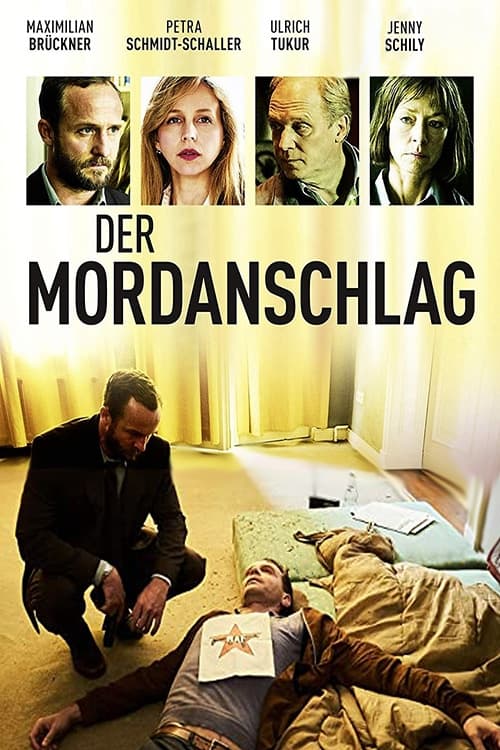
In the 2018 TV show "Attempted Murder," there is indeed a post-credit scene that adds an intriguing layer to the narrative.
As the credits roll, the screen fades to black before transitioning to a dimly lit room. The atmosphere is tense, filled with an unsettling silence that hangs in the air. A single overhead light flickers, casting shadows that dance across the walls. In the center of the room, a table is strewn with various items: photographs, newspaper clippings, and a large map dotted with pins and strings connecting different locations.
The camera slowly zooms in on a figure seated at the table, their face obscured by the shadows. The person is intently studying the materials, their brow furrowed in concentration. As the camera draws closer, a glint of determination can be seen in their eyes, revealing a deep-seated obsession with the events that transpired throughout the series.
Suddenly, the figure picks up a photograph of one of the main characters, a look of anger and resolve crossing their face. They mutter a few words under their breath, hinting at a plan that has been set in motion, one that could potentially unravel everything the characters have fought for. The scene ends with a close-up of the photograph, the character's face frozen in a moment of vulnerability, juxtaposed against the looming threat of the unknown.
This post-credit scene leaves viewers with a sense of foreboding, suggesting that the story is far from over and that new conflicts are on the horizon, setting the stage for potential future developments.
How does the setting influence the characters' actions and decisions?
The setting, a small town rife with secrets and a close-knit community, amplifies the characters' actions and decisions. The claustrophobic atmosphere creates a sense of paranoia, where every interaction is laden with suspicion. This environment not only shapes the characters' motivations but also serves as a catalyst for their choices, as they navigate the complexities of trust and betrayal in a place where everyone knows each other.
How does the relationship between the protagonist and the antagonist evolve throughout the series?
Initially, the protagonist views the antagonist as a mere obstacle, but as the plot unfolds, their relationship becomes more complex. The protagonist's hatred is fueled by the antagonist's manipulative tactics, yet there are moments of vulnerability that reveal shared histories, creating a tension-filled dynamic that oscillates between animosity and reluctant understanding.
What motivates the main character to commit the attempted murder?
The main character, driven by a deep-seated fear of losing everything they hold dear, feels cornered by circumstances that seem insurmountable. Their emotional turmoil is compounded by a series of personal betrayals, leading them to believe that the only way to regain control over their life is through drastic measures.
What role does the supporting character play in the protagonist's decision-making process?
The supporting character serves as both a confidant and a moral compass for the protagonist. Their unwavering loyalty and contrasting perspective challenge the protagonist's darker impulses, often leading to heated debates that highlight the protagonist's internal conflict. This character's influence is pivotal in moments of doubt, pushing the protagonist to reconsider their choices.
What are the key turning points that escalate the conflict in the story?
Several key turning points escalate the conflict, including a shocking betrayal that reveals hidden alliances, a critical piece of evidence that shifts the power dynamics, and a climactic confrontation that forces the protagonist to confront their own motivations. Each of these moments heightens the stakes, leading to a series of desperate decisions that propel the narrative forward.
Is this family friendly?
"Attempted Murder," produced in 2018, is a crime drama that delves into themes of violence, betrayal, and moral ambiguity. While it may attract viewers interested in suspenseful narratives, it contains several elements that may not be suitable for children or sensitive audiences.
-
Violence: The show features scenes of physical altercations and confrontations that can be intense and graphic, showcasing the darker side of human nature.
-
Murder and Crime: The central theme revolves around murder attempts, which may include discussions or depictions of death and the psychological impact of crime on individuals and families.
-
Emotional Turmoil: Characters often experience deep emotional distress, including grief, anger, and betrayal, which may be unsettling for younger viewers or those sensitive to such themes.
-
Mature Language: The dialogue may include strong language and adult themes that could be inappropriate for younger audiences.
-
Moral Ambiguity: The characters often grapple with ethical dilemmas, which may present complex moral questions that could be confusing or distressing for children.
Overall, while "Attempted Murder" offers a gripping narrative, its content may not be suitable for a family-friendly viewing experience.