
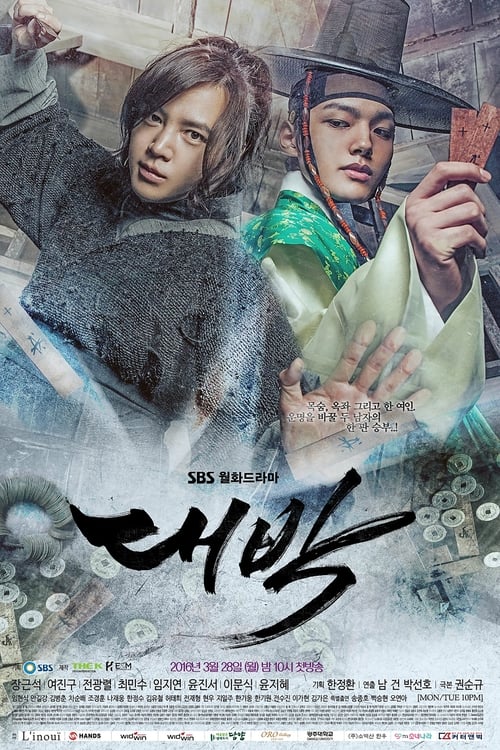













Popular
How does the relationship between the main character and their best friend evolve throughout the season?
What role does the antagonist play in the main character's journey?
What motivates the main character to participate in the lottery scheme?
How does the main character's family react to their involvement in the lottery?
What pivotal moment leads to a turning point for the main character in the season?
Should I watch it?
Ask Your Own Question

What is the plot?
In the first episode of "Jackpot," we are introduced to the main character, a down-on-his-luck man named Kalle, who works at a small convenience store. Kalle is struggling with his life, feeling trapped in a monotonous routine and burdened by financial issues. One day, while working, he discovers a winning lottery ticket that he initially believes is a mistake. The ticket is worth a substantial amount of money, and Kalle's excitement quickly turns into anxiety as he contemplates what to do next.
Kalle decides to keep the ticket a secret, fearing that if he reveals it, he might lose it or be taken advantage of. He begins to fantasize about how the money could change his life, imagining a future filled with luxury and freedom. However, his internal conflict grows as he grapples with the morality of keeping the ticket hidden from his friends and family, particularly his girlfriend, who is unaware of his financial struggles.
As Kalle navigates his daily life, he encounters various characters who represent different aspects of his world. He meets a group of friends who are also struggling, and they often discuss their dreams of winning the lottery. Kalle feels a mix of envy and guilt as he listens to their conversations, knowing he holds the key to a better life but is unable to share it with them.
The tension escalates when Kalle's friend, a local gambler named Jari, becomes suspicious of Kalle's behavior. Jari has his own financial troubles and is desperate for a way out. He starts to pry into Kalle's life, asking questions that make Kalle increasingly paranoid about the ticket being discovered. Kalle's anxiety peaks when he overhears Jari discussing a plan to rob someone who has won the lottery, which makes Kalle fear for his safety.
In a pivotal moment, Kalle decides to confide in his girlfriend, revealing the existence of the winning ticket. She is initially shocked but supportive, encouraging him to claim the prize and change their lives. However, this decision comes with its own set of complications, as Kalle's girlfriend becomes a target for Jari and his crew, who are now aware of the ticket's existence.
As the plot unfolds, Kalle and his girlfriend devise a plan to claim the lottery winnings discreetly. They plan to go to the lottery office together, but their plans are thwarted when Jari and his gang confront them. A tense standoff occurs, with Jari demanding that Kalle hand over the ticket. Kalle, feeling cornered, refuses, leading to a physical confrontation. The scene is chaotic, with Kalle fighting back in desperation, showcasing his determination to protect what he believes is his only chance at a better life.
The confrontation escalates into a full-blown fight, with Kalle using whatever he can find to defend himself and his girlfriend. The struggle is intense, filled with moments of fear and adrenaline as Kalle fights not just for the ticket but for his future. Eventually, Kalle manages to escape, but not without sustaining injuries and leaving behind a sense of chaos.
In the aftermath of the fight, Kalle and his girlfriend are left shaken but resolute. They realize that they cannot live in fear and must take action to secure their future. They decide to go to the lottery office the next day, determined to claim the winnings and put an end to the threats from Jari and his gang.
As they arrive at the lottery office, the atmosphere is tense. Kalle's heart races as he hands over the ticket, feeling a mix of excitement and dread. The lottery official verifies the ticket, and Kalle's life begins to change as he is informed of the amount he has won. However, just as they are about to celebrate, Jari and his gang burst into the office, demanding the ticket back.
A final confrontation ensues, with Kalle and his girlfriend standing their ground against Jari and his crew. The stakes are higher than ever, and Kalle must summon all his courage to protect what he has fought so hard to achieve. The scene is filled with tension, as Kalle realizes that the fight for his future is not just about money but about his identity and self-worth.
The episode concludes with a cliffhanger, leaving viewers on the edge of their seats as Kalle faces the ultimate decision: to fight for his newfound fortune or to walk away and reclaim his life without the burden of the ticket. The emotional weight of the choices he has made hangs heavily in the air, setting the stage for the unfolding drama in the episodes to come.








What is the ending?
In the ending of "Jackpot," season 1, the main characters face the consequences of their actions as the story culminates in a tense confrontation. The stakes are high, and the characters must confront their choices, leading to a resolution that leaves some characters in peril while others find a semblance of closure.
As the final episode unfolds, we see the characters grappling with the fallout from their previous decisions. The tension builds as they navigate their relationships and the consequences of their involvement in the jackpot scheme. The climax reveals the true nature of their motivations and the impact of their greed and desperation.
In the closing scenes, the fates of the main characters are revealed. Some find redemption, while others face dire consequences for their actions, leaving the audience with a sense of unresolved tension and the weight of their choices.
As the final episode of "Jackpot" begins, the camera pans over a dimly lit room filled with tension. The air is thick with anticipation as the main characters, each grappling with their own demons, prepare for the inevitable confrontation that has been brewing throughout the season.
Scene 1: The Gathering The scene opens with the main characters--each one a reflection of the choices they've made--gathering in a secluded location. The atmosphere is charged; the stakes have never been higher. They exchange wary glances, the weight of their shared secret hanging heavily in the air. The camera captures the flicker of doubt in their eyes, revealing their internal struggles. They know that the jackpot scheme has spiraled out of control, and the consequences are about to catch up with them.
Scene 2: The Confrontation As the characters begin to discuss their next steps, the tension escalates. Old grievances surface, and accusations fly. The dialogue is sharp, revealing the fractures in their relationships. Each character's motivations are laid bare--greed, desperation, and the desire for redemption clash in a heated exchange. The camera zooms in on their faces, capturing the raw emotions: fear, anger, and regret. It becomes clear that their fates are intertwined, and the choices they make in this moment will determine their futures.
Scene 3: The Turning Point Suddenly, the door bursts open, and an unexpected figure enters, throwing the group into chaos. This moment serves as a catalyst, forcing the characters to confront not only their external threats but also their internal conflicts. The scene is frenetic, with quick cuts between characters as they react to the new development. The stakes are raised, and the audience can feel the palpable fear and urgency as they scramble to regain control of the situation.
Scene 4: The Resolution As the dust settles, the characters are left to face the consequences of their actions. Some find themselves in positions of power, having manipulated the situation to their advantage, while others are left vulnerable and exposed. The camera lingers on each character, capturing their emotional states--some wear expressions of triumph, while others are marked by despair. The choices they made throughout the season come to a head, and the weight of their decisions is evident in their faces.
Scene 5: The Aftermath In the final moments, the characters disperse, each heading down a different path. The camera follows them as they walk away from the scene, the weight of their choices evident in their body language. Some characters find a sense of closure, having come to terms with their actions, while others are left with unresolved tension, hinting at the possibility of future conflict. The screen fades to black, leaving the audience with a lingering sense of uncertainty about what lies ahead for each character.
In the end, the fates of the main characters are sealed: some emerge with a newfound sense of purpose, while others are left to grapple with the consequences of their greed and betrayal. The story closes on a note of ambiguity, emphasizing the complexity of human motivations and the unpredictable nature of life.
Is there a post-credit scene?
In the show "Jackpot," season 1, there is no post-credit scene. The episodes conclude without any additional scenes or content after the credits roll. The focus remains on the main narrative and character arcs throughout the episodes, with no extra material provided in a post-credit format.
How does the relationship between the main character and their best friend evolve throughout the season?
Initially, the main character's best friend is supportive of their lottery ambitions, but as the stakes rise and the consequences of their actions become apparent, tension builds. The friend becomes increasingly concerned about the moral implications and the risks involved, leading to conflicts that test their loyalty and friendship.
What role does the antagonist play in the main character's journey?
The antagonist, a ruthless figure in the lottery world, serves as a constant threat to the main character. They embody the darker side of the lottery scheme, using manipulation and intimidation to maintain control. This character's actions force the protagonist to confront their own values and the lengths they are willing to go to achieve their dreams.
What motivates the main character to participate in the lottery scheme?
The main character, a down-on-their-luck individual, is driven by desperation and the hope of a better life. They are struggling with financial issues and see the lottery as a chance to escape their mundane existence and provide for their family.
How does the main character's family react to their involvement in the lottery?
The main character's family is initially unaware of their involvement in the lottery scheme. When they eventually find out, reactions vary from anger and disappointment to concern for their safety. This creates a rift in the family dynamic, highlighting the emotional turmoil and the impact of the protagonist's choices on their loved ones.
What pivotal moment leads to a turning point for the main character in the season?
A pivotal moment occurs when the main character faces a moral dilemma that forces them to choose between their ambition and the well-being of their family. This moment of reckoning leads to significant character development, as they must confront the consequences of their actions and decide what truly matters to them.
Is this family friendly?
"Jackpot," season 1, produced in 2016, contains several elements that may not be considered family-friendly. Here are some potentially objectionable or upsetting aspects:
-
Gambling Themes: The central premise revolves around gambling, which may not be suitable for younger audiences or sensitive viewers. The portrayal of addiction and the consequences of gambling can be intense.
-
Mature Language: The dialogue includes strong language that may not be appropriate for children.
-
Emotional Turmoil: Characters experience significant emotional struggles, including stress, anxiety, and desperation related to their gambling situations, which could be distressing for sensitive viewers.
-
Conflict and Tension: There are scenes of conflict that may involve shouting or aggressive behavior, which could be unsettling for younger viewers.
-
Dramatic Situations: The show includes scenarios that depict the darker side of human nature, such as betrayal and moral dilemmas, which may be difficult for children to process.
These elements contribute to a tone that may not be suitable for all audiences, particularly younger children or those who are sensitive to such themes.









