







Popular
What role did King George V play in shaping the modern British monarchy?
How did Queen Mary influence the royal family during her lifetime?
What were the circumstances surrounding King Edward VIII's abdication?
How did Queen Elizabeth II's early life prepare her for the throne?
What impact did the royal family's relationship with Winston Churchill have during his time as Prime Minister?
Should I watch it?
Ask Your Own Question

What is the plot?
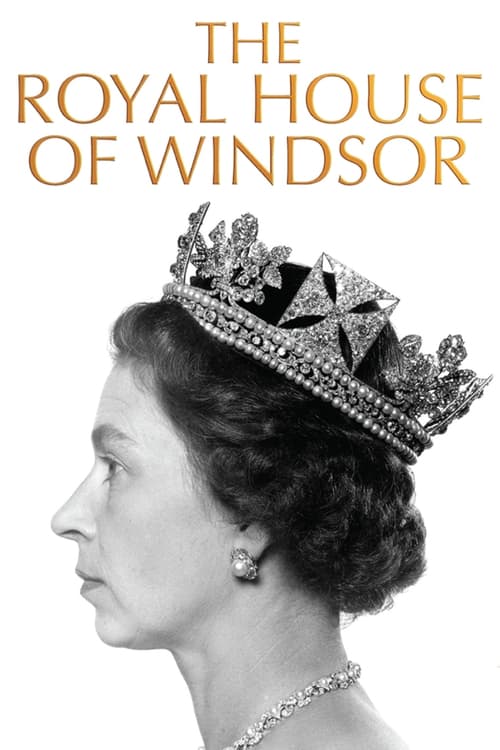
"The Royal House of Windsor" is a documentary series that chronicles the history of the British royal family, focusing on the House of Windsor from its origins to the present day. The series is divided into several episodes, each exploring different eras and significant events that shaped the monarchy.
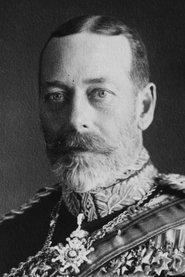
The series begins with the establishment of the House of Windsor during World War I. It highlights King George V's decision to change the family name from the House of Saxe-Coburg and Gotha to Windsor in 1917 due to anti-German sentiment in Britain. This pivotal moment sets the stage for the royal family's evolution and their efforts to connect with the British public.
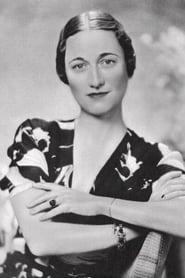
As the narrative progresses, the series delves into the tumultuous reign of King Edward VIII, who abdicated in 1936 to marry Wallis Simpson, an American divorcée. The emotional turmoil surrounding his decision is explored, showcasing Edward's internal conflict between duty and love. The abdication crisis leads to George VI ascending the throne, a reluctant king who must navigate the challenges of World War II.
The series then shifts focus to the impact of the war on the royal family. It depicts how King George VI and Queen Elizabeth (the Queen Mother) took on a more public role, visiting bombed areas and boosting morale among the British people. Their daughters, Princess Elizabeth and Princess Margaret, are also introduced, highlighting their sheltered upbringing and the constraints of royal life.
Following the war, the series examines the post-war period and the changing social landscape. It portrays the marriage of Princess Elizabeth to Prince Philip in 1947, emphasizing the challenges they faced as a young couple in the public eye. The couple's dedication to their royal duties and family life is depicted, alongside the pressures of maintaining the monarchy's relevance in a rapidly changing world.
The narrative continues with the reign of Queen Elizabeth II, focusing on her coronation in 1953, which was broadcast on television for the first time, marking a significant moment in royal history. The series captures the grandeur of the event and the public's fascination with the young queen, as well as the challenges she faces in balancing tradition with modernity.
As the episodes progress, the series addresses various crises that the monarchy encounters, including the scandal surrounding Prince Charles and Lady Diana Spencer's tumultuous marriage. The emotional struggles of both Charles and Diana are explored, showcasing their individual desires and the pressures of royal expectations. The series highlights key moments, such as their wedding in 1981 and the subsequent media scrutiny that follows.
The narrative also touches on the tragic death of Princess Diana in 1997, examining the public's reaction and the royal family's initial response. The series portrays the profound impact of her death on the monarchy and the subsequent shift in public perception of the royal family.
In the later episodes, the series addresses the challenges faced by the monarchy in the 21st century, including the rise of social media and changing public attitudes towards royalty. It explores the marriages of Prince William to Catherine Middleton and Prince Harry to Meghan Markle, highlighting the generational shift in the royal family's approach to public engagement and their efforts to remain relevant.
The series concludes by reflecting on the legacy of the House of Windsor, emphasizing the resilience of the monarchy through various trials and tribulations. It captures the ongoing evolution of the royal family and their commitment to serving the nation while adapting to the modern world. The final scenes underscore the enduring fascination with the British royal family and their place in contemporary society.








What is the ending?
The Royal House of Windsor concludes with a reflection on the modern monarchy's evolution and the challenges it faces in contemporary society. The series wraps up by examining the legacy of the Windsor family, particularly focusing on Queen Elizabeth II and her role in maintaining the monarchy's relevance.
In the expanded narrative, the final episodes of The Royal House of Windsor delve into the complexities of the British royal family as they navigate the 21st century.
Scene 1: The series opens with a montage of significant events from the late 20th century to the present day, showcasing the changing public perception of the monarchy. The camera pans over images of Queen Elizabeth II, her family, and key moments such as royal weddings and public engagements. The tone is reflective, setting the stage for the challenges that lie ahead.
Scene 2: The narrative shifts to Queen Elizabeth II, who is portrayed as a steadfast figure amidst the turmoil surrounding the royal family. The scene captures her in a private moment, contemplating her role and the weight of tradition on her shoulders. Her internal struggle is palpable as she grapples with the need to modernize the monarchy while preserving its historical significance.
Scene 3: The focus then turns to Prince Charles, who is depicted as a man ready to take on the responsibilities of the throne. The camera follows him as he engages in various charitable endeavors, highlighting his commitment to social issues. However, there is an underlying tension as he faces criticism and skepticism from the public regarding his suitability as king.
Scene 4: The narrative introduces the younger generation, particularly Prince William and Prince Harry. Their contrasting approaches to royal duties are explored, with William embodying a sense of duty and tradition, while Harry seeks to carve out his own path. The emotional weight of their relationship is evident, as they navigate the pressures of royal life and their desire for personal fulfillment.
Scene 5: The series culminates in a poignant moment where Queen Elizabeth II addresses the nation, reflecting on the monarchy's resilience and adaptability. Her speech is filled with a sense of hope and determination, emphasizing the importance of family and continuity. The camera captures the reactions of her family members, each processing her words in their own way.
Scene 6: The final scenes depict the royal family coming together for a public engagement, symbolizing unity and the enduring legacy of the Windsor family. The atmosphere is celebratory, yet there is an undercurrent of uncertainty about the future. The series closes with a shot of Buckingham Palace, a timeless symbol of the monarchy, as the screen fades to black.
In conclusion, The Royal House of Windsor ends on a note of reflection and anticipation, leaving viewers with a sense of the ongoing evolution of the monarchy and the personal journeys of its key figures. Each character's fate is intertwined with the institution they represent, highlighting the complexities of their roles in a rapidly changing world.
Is there a post-credit scene?
The Royal House of Windsor, produced in 2017, does not feature any post-credit scenes. The series is a documentary that chronicles the history of the British royal family, focusing on the House of Windsor and its evolution over the decades. Each episode concludes with a summary of the events discussed, but there are no additional scenes or content after the credits roll. The series is structured to provide a comprehensive look at the monarchy's challenges and triumphs, rather than including fictional or dramatized elements typical of scripted television shows.
What role did King George V play in shaping the modern British monarchy?
King George V, who reigned from 1910 to 1936, played a crucial role in modernizing the British monarchy. He was determined to bring the royal family closer to the public, especially during World War I, when he changed the family name from the House of Saxe-Coburg and Gotha to the House of Windsor to distance the monarchy from its German roots. His efforts included public engagements and a more approachable image, which helped to solidify the monarchy's place in British society.
How did Queen Mary influence the royal family during her lifetime?
Queen Mary, the wife of King George V, was a significant figure in the royal family, known for her strong will and sense of duty. She was instrumental in maintaining the family's public image during turbulent times, including World War I and the abdication crisis of her son, King Edward VIII. Her meticulous attention to detail in royal affairs and her commitment to tradition helped to stabilize the monarchy during periods of uncertainty.
What were the circumstances surrounding King Edward VIII's abdication?
King Edward VIII's abdication in 1936 was a monumental event that shook the monarchy. His desire to marry Wallis Simpson, an American divorcée, was met with fierce opposition from the Church of England and the British government. Edward's internal conflict between love and duty culminated in his decision to abdicate, famously stating that he could not carry out his duties as king without the support of the woman he loved. This decision led to his brother, George VI, ascending the throne and reshaping the royal family's future.
How did Queen Elizabeth II's early life prepare her for the throne?
Queen Elizabeth II's early life was marked by a strong sense of duty and responsibility, instilled in her by her parents, particularly her father, King George VI. Growing up during the tumultuous years of World War II, she learned the importance of resilience and service. Her experiences, including her time as a mechanic and driver in the Auxiliary Territorial Service, shaped her character and prepared her for the challenges of monarchy, emphasizing her commitment to her role and the British people.
What impact did the royal family's relationship with Winston Churchill have during his time as Prime Minister?
The relationship between the royal family and Winston Churchill during his tenure as Prime Minister was pivotal, especially during World War II. Churchill's strong leadership and oratory skills resonated with King George VI and Queen Elizabeth, who saw him as a vital ally in rallying the nation. Their meetings were marked by mutual respect, and Churchill's ability to convey the gravity of the situation helped to bolster the monarchy's image as a symbol of national unity and resilience during a time of crisis.
Is this family friendly?
"The Royal House of Windsor," produced in 2017, is a documentary series that chronicles the history of the British royal family, focusing on the House of Windsor. While the series is generally informative and educational, there are a few aspects that may be considered objectionable or upsetting for children or sensitive viewers:
-
Historical Context of War and Conflict: The series discusses various wars and conflicts involving the British monarchy, including World War I and World War II. Scenes may depict the impact of these events on the royal family and the nation, which could be distressing.
-
Death and Tragedy: The documentary addresses the deaths of key royal figures and the emotional toll these events took on the family. This includes discussions of mourning and loss, which may be heavy for younger viewers.
-
Family Struggles and Scandals: The series touches on personal struggles within the royal family, including marital issues and public scandals. These topics may be complex and potentially upsetting for some viewers.
-
Depictions of Mental Health: There are references to mental health issues within the royal family, which may be sensitive for some audiences, particularly those who have personal experiences related to mental health.
-
Colonialism and Controversial Historical Events: The series addresses the British Empire's colonial past, which may include discussions of exploitation and oppression, potentially leading to uncomfortable conversations.
Overall, while "The Royal House of Windsor" is primarily a historical documentary, its exploration of complex themes and events may require parental guidance for younger viewers.







