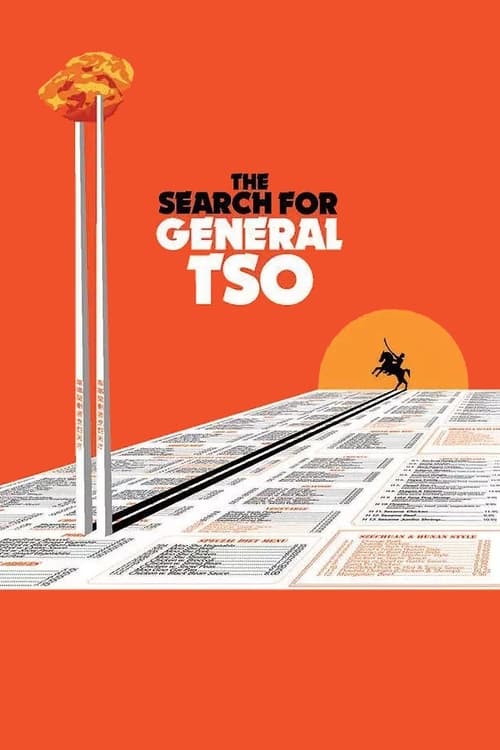

What is the plot?

Sorry, we aren't able to watch and write up a full detailed plot yet. Check back in a few days.

What is the ending?

In the ending of "The Search for General Tso," the film culminates in a deeper understanding of the cultural significance of Chinese food in America. The documentary wraps up with a reflection on the journey of the filmmakers as they explore the history of General Tso's chicken and its connection to Chinese-American identity. The film concludes with a sense of appreciation for the dish and the stories behind it, leaving viewers with a broader perspective on cultural fusion and the immigrant experience.

As the film approaches its conclusion, the narrative shifts to a series of reflective moments. The filmmakers, led by director Ian Cheney, have traveled across the United States, interviewing chefs, historians, and food enthusiasts about the origins of General Tso's chicken. They have uncovered the dish's surprising roots, tracing it back to a 19th-century general in China, and its evolution into a staple of American Chinese cuisine.

In the final scenes, the filmmakers gather their findings, piecing together the cultural tapestry that surrounds General Tso's chicken. They visit various Chinese restaurants, where they witness the dish being prepared and served, each chef adding their unique twist. The camera captures the vibrant colors of the food, the sizzling sounds of cooking, and the joyful interactions between restaurant staff and customers.

As they reflect on their journey, the filmmakers express a sense of fulfillment. They realize that the search for General Tso is not just about the dish itself but about the stories of the people who have brought it to life. The film emphasizes the importance of food as a means of connection and understanding across cultures.

In the final moments, the filmmakers sit down to enjoy a meal of General Tso's chicken, symbolizing their journey's culmination. They share laughter and stories, embodying the spirit of community that food fosters. The screen fades to black, leaving the audience with a lingering sense of curiosity about the diverse narratives that shape American cuisine and the immigrant experience.

The film closes with a montage of images from their travels, showcasing the rich tapestry of Chinese-American culture, and a final message that resonates: food is a bridge that connects us all, transcending borders and histories.

Is there a post-credit scene?

The movie "The Search for General Tso," produced in 2014, does not contain a post-credit scene. The film concludes its narrative without any additional scenes or content after the credits roll. The focus remains on the exploration of Chinese-American cuisine, particularly the cultural significance of General Tso's chicken, and the journey of the filmmakers as they delve into the history and impact of this iconic dish. The ending wraps up the themes of identity, heritage, and the fusion of cultures without extending into a post-credit sequence.

Who is General Tso and why is he significant in the film?

General Tso, a historical figure from the Qing Dynasty, is significant in the film as he symbolizes the cultural journey of Chinese cuisine in America. The film explores his legacy and how his name became synonymous with a popular Chinese dish, General Tso's chicken, which is a staple in American Chinese restaurants.

What role does the filmmaker, Ian Cheney, play in the narrative?

Ian Cheney serves as the narrator and guide throughout the documentary. His personal journey to uncover the origins of General Tso's chicken reflects his curiosity about cultural identity and the immigrant experience, as he interviews chefs, historians, and food enthusiasts.

How does the film explore the immigrant experience through food?

The film delves into the immigrant experience by showcasing how Chinese immigrants adapted their culinary traditions to fit American tastes. Through interviews and historical context, it highlights the struggles and triumphs of these immigrants, illustrating how food serves as a bridge between cultures.

What are some key interviews featured in the film, and who do they involve?

Key interviews in the film include conversations with chefs, food historians, and cultural commentators. Notable figures include chef and restaurateur Eddie Huang, who discusses the evolution of Chinese food in America, and historian Jennifer 8. Lee, who provides insights into the dish's cultural significance.

How does the film depict the evolution of Chinese cuisine in America?

The film depicts the evolution of Chinese cuisine in America by tracing its roots from traditional dishes to the adaptation of flavors and ingredients that cater to American palates. It showcases the transformation of Chinese food from a niche cuisine to a mainstream staple, highlighting the impact of immigration and cultural exchange.

Is this family friendly?

"The Search for General Tso" is a documentary that explores the history and cultural significance of Chinese food in America, particularly focusing on the dish General Tso's chicken. While the film is primarily informative and light-hearted, there are a few aspects that might be considered objectionable or upsetting for children or sensitive viewers:

  1. Historical Context: The film touches on the history of Chinese immigrants in America, including themes of discrimination and hardship. Some discussions may include references to racism or violence faced by these communities.

  2. Cultural Stereotypes: There are moments where the film addresses stereotypes associated with Chinese cuisine and culture, which may be uncomfortable for some viewers.

  3. Food Preparation: There are scenes that depict the preparation of food, including raw meat and cooking processes that might be unsettling for sensitive viewers.

  4. Personal Stories: The documentary includes personal anecdotes from individuals in the Chinese-American community that may evoke emotional responses related to identity and belonging.

Overall, while the film is not overtly graphic or inappropriate, it does contain themes and discussions that may require parental guidance for younger audiences.