
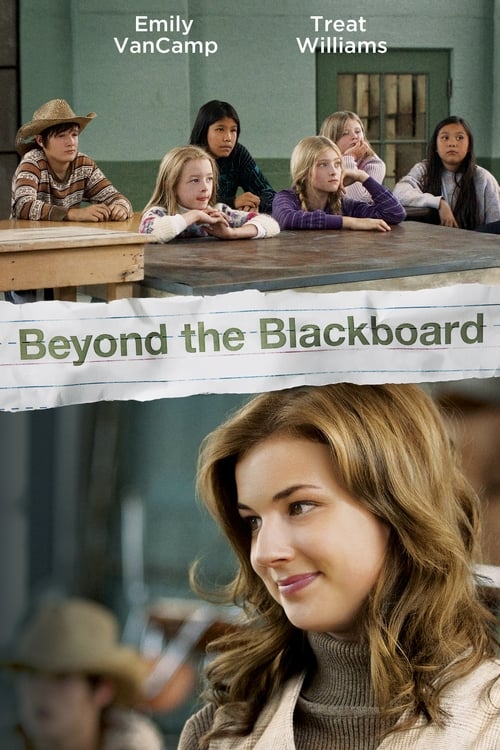





















Popular
What challenges does the main character, Stacey Bess, face when she starts teaching at the homeless shelter?
How does Stacey Bess build relationships with her students throughout the film?
What role does the character of the shelter director, Mr. McCauley, play in the story?
How does Stacey Bess's teaching philosophy evolve throughout the film?
What specific events highlight the struggles of the children in the shelter?
Should I watch it?
Ask Your Own Question

What is the plot?
Sorry, we aren't able to watch and write up a full detailed plot yet. Check back in a few days.
More Movies Like This
Browse All Movies →








What is the ending?
In the ending of "Beyond the Blackboard," the main character, Stacey Bess, faces the challenges of teaching in a homeless shelter. After overcoming various obstacles and building relationships with her students, she ultimately finds fulfillment in her role as an educator. The film concludes with Stacey reflecting on her experiences and the impact she has made on her students' lives.
As the film approaches its conclusion, we see Stacey Bess, portrayed by Emily VanCamp, deeply invested in her students at the homeless shelter. The emotional weight of her journey culminates in a series of poignant scenes that highlight her growth and the connections she has forged.
In the first scene of the ending, Stacey is seen in her classroom, which is filled with the vibrant energy of her students. They are engaged in various activities, showcasing their creativity and learning. Stacey's dedication is evident as she encourages each child, fostering a sense of belonging and hope. The classroom, once a place of chaos, has transformed into a nurturing environment, reflecting Stacey's commitment to her students.
As the narrative unfolds, we witness a significant moment when one of her students, a young boy named "J.J.," struggles with his self-worth. Stacey takes the time to sit with him, offering words of encouragement and understanding. This interaction highlights her role not just as a teacher but as a mentor and a source of emotional support. The bond they share illustrates the profound impact she has on her students' lives, instilling in them a sense of possibility.
The next scene shifts to a school assembly where Stacey is recognized for her efforts. The atmosphere is filled with applause and admiration from both her students and the community. This moment serves as a testament to her hard work and the positive changes she has brought about in the lives of those she teaches. Stacey's face beams with pride, not for herself, but for her students, who have overcome their circumstances to achieve success.
However, the film does not shy away from the harsh realities of the world outside the classroom. In a poignant scene, Stacey learns that some of her students may have to leave the shelter due to various reasons, including family issues and the instability of their living situations. This news weighs heavily on her, and we see her internal struggle as she grapples with the limitations of her ability to help them. The emotional turmoil is palpable, showcasing her deep care for her students and the pain of knowing that she cannot shield them from life's challenges.
In the final moments of the film, Stacey reflects on her journey. She stands in front of her classroom, looking at the artwork and projects created by her students. The camera captures her contemplative expression, revealing a mix of sadness and hope. She understands that while she may not be able to change the world for every child, she has made a difference in their lives, one student at a time.
The film concludes with Stacey leaving the shelter, her heart full of memories and lessons learned. As she walks away, we see glimpses of her students, each on their path, carrying the lessons they learned from her. The final shot lingers on Stacey's face, a blend of determination and compassion, embodying the spirit of a teacher who has gone beyond the blackboard to touch the lives of those in need.
In summary, the fates of the main characters are intertwined with the themes of resilience and hope. Stacey Bess continues her journey as an educator, forever changed by her experiences. Her students, though facing uncertain futures, carry with them the strength and knowledge imparted by her unwavering support. The film closes on a note of optimism, emphasizing the power of education and the lasting impact of a dedicated teacher.
Is there a post-credit scene?
The movie "Beyond the Blackboard," produced in 2011, does not contain a post-credit scene. The film concludes its narrative without any additional scenes or content after the credits roll. The story wraps up with a focus on the journey of the main character, Stacey Bess, and her experiences teaching in a challenging environment, emphasizing themes of resilience, hope, and the impact of education.
What challenges does the main character, Stacey Bess, face when she starts teaching at the homeless shelter?
Stacey Bess, portrayed by Emily VanCamp, faces numerous challenges when she begins teaching at the homeless shelter. She encounters a lack of resources, including basic school supplies and a proper classroom environment. The children she teaches come from difficult backgrounds, dealing with issues such as homelessness, trauma, and instability. Stacey struggles to connect with her students, who are initially resistant to her efforts, and she must find creative ways to engage them in learning despite the overwhelming obstacles.
How does Stacey Bess build relationships with her students throughout the film?
Stacey Bess builds relationships with her students by showing genuine care and understanding for their individual situations. She takes the time to learn their names and personal stories, creating a safe and welcoming environment. Through her patience and encouragement, she gradually earns their trust. For instance, she organizes activities that resonate with the children's interests, such as art projects and storytelling, which help to foster a sense of community and belonging among her students.
What role does the character of the shelter director, Mr. McCauley, play in the story?
Mr. McCauley, played by Steve Talley, serves as a supportive yet challenging figure in Stacey's journey. He initially expresses skepticism about her ability to teach the children effectively, given their difficult circumstances. However, as the story progresses, he becomes an ally, providing her with guidance and advocating for the needs of the students. His character represents the institutional challenges within the education system, but he ultimately recognizes Stacey's dedication and passion for her students.
How does Stacey Bess's teaching philosophy evolve throughout the film?
Stacey Bess's teaching philosophy evolves significantly as she learns to adapt her methods to meet the unique needs of her students. Initially, she approaches teaching with a traditional mindset, but as she witnesses the struggles her students face, she shifts towards a more holistic and compassionate approach. She emphasizes the importance of emotional support and creativity in learning, incorporating life skills and personal development into her curriculum, which ultimately helps her students thrive.
What specific events highlight the struggles of the children in the shelter?
Several specific events highlight the struggles of the children in the shelter, such as a scene where one student, a young boy named 'J.J.', reveals his fear of being separated from his family. Another poignant moment occurs when a girl named 'Megan' shares her feelings of abandonment and loss. These events are depicted with emotional depth, showcasing the children's vulnerabilities and the harsh realities of their lives. Stacey's response to these moments, as she comforts and supports them, underscores her commitment to not only their education but also their emotional well-being.
Is this family friendly?
"Beyond the Blackboard," produced in 2011, is generally considered family-friendly, but it does contain some themes and scenes that may be sensitive for children or those who are easily upset. Here are a few aspects to be aware of:
-
Childhood Struggles: The film addresses issues such as homelessness and the challenges faced by children in difficult living situations. These themes may be emotionally heavy for younger viewers.
-
Emotional Turmoil: Characters experience moments of sadness, frustration, and despair, particularly related to their personal circumstances and the struggles of the children they are trying to help.
-
Conflict and Tension: There are scenes that depict conflict between characters, including misunderstandings and disagreements, which may be intense for some viewers.
-
Realistic Portrayal of Education Challenges: The film showcases the difficulties teachers face in underprivileged environments, which may include scenes of classroom chaos or emotional breakdowns.
-
Social Issues: The narrative touches on broader social issues, such as poverty and neglect, which may be difficult for sensitive viewers to process.
While the film ultimately conveys messages of hope, resilience, and the importance of compassion, these elements may require parental guidance for younger audiences.









