

























Popular
What motivates Howard Holloway to become a talent agent?
How does Howard's relationship with the young actress, Lydia, evolve throughout the film?
What challenges does Howard face in his quest to promote Lydia?
What role does the character of the producer, played by Sam Rockwell, play in the story?
How does Howard's past as an actor influence his actions as a talent agent?
Should I watch it?
Ask Your Own Question

What is the plot?
Sorry, we aren't able to watch and write up a full detailed plot yet. Check back in a few days.
More Movies Like This
Browse All Movies →






What is the ending?
In the ending of "Trust Me," the protagonist, Howard Holloway, faces the consequences of his actions as he attempts to navigate the treacherous world of Hollywood. After a series of manipulations and betrayals, he ultimately finds himself alone, reflecting on his choices and the impact they have had on those around him.
As the film draws to a close, Howard's relationship with his young client, the talented actress, is strained. He realizes that his ambition and desire to succeed have led him to make questionable decisions that jeopardize not only his career but also the trust of those he cares about. The film ends with Howard contemplating his future, leaving viewers with a sense of uncertainty about his path forward.
As the final act of "Trust Me" unfolds, the tension escalates, and the stakes become increasingly personal for Howard Holloway.
Scene 1: The climax begins with Howard attending a high-profile event where he is supposed to showcase his young client, the promising actress, who has been the center of his ambitions. The atmosphere is electric, filled with the glitz and glamour of Hollywood, but Howard feels the weight of his decisions pressing down on him. He is anxious, aware that he has manipulated situations to get to this point, and the fear of being exposed looms over him.
Scene 2: During the event, Howard's client is approached by a powerful producer who expresses interest in her talent. Howard, feeling a mix of pride and anxiety, tries to navigate the conversation, but his insecurities bubble to the surface. He realizes that he has been more focused on his own aspirations than on genuinely supporting her career. The moment is bittersweet as he watches her shine, yet he feels increasingly isolated.
Scene 3: As the night progresses, Howard's past decisions come back to haunt him. He receives a call from a former colleague who reveals the truth about his manipulations and the fallout that is about to occur. Howard's heart races as he realizes that his reputation is on the line. The betrayal stings, and he feels the walls closing in around him. He is torn between defending himself and acknowledging the harm he has caused.
Scene 4: In a pivotal moment, Howard confronts his client, who has begun to see through his facade. She questions his motives and expresses her disappointment in his actions. The emotional weight of this confrontation is palpable; Howard's desperation to maintain control clashes with her desire for authenticity and trust. This scene is a turning point for both characters, as it forces Howard to confront the reality of his choices.
Scene 5: The film reaches its emotional peak when Howard, feeling defeated, steps away from the chaos of the event. He finds himself alone in a quiet corner, reflecting on his journey. The camera captures his internal struggle as he grapples with the consequences of his ambition. He realizes that in his quest for success, he has lost sight of the very relationships that mattered most.
Scene 6: The final moments of the film depict Howard walking away from the event, a solitary figure against the backdrop of the bustling Hollywood scene. The weight of his decisions hangs heavy in the air, and the audience is left with a sense of uncertainty about his future. Howard's fate remains ambiguous; he has the potential for redemption, but it is unclear whether he will choose to pursue it.
In conclusion, the ending of "Trust Me" encapsulates the themes of ambition, betrayal, and the complexities of trust in the entertainment industry. Howard Holloway's journey serves as a cautionary tale about the cost of success and the importance of genuine relationships, leaving viewers to ponder the true meaning of trust in a world driven by ambition.
Is there a post-credit scene?
In the movie "Trust Me," produced in 2013, there is no post-credit scene. The film concludes without any additional scenes or content after the credits roll. The story wraps up with the main character, Howard Holloway, reflecting on his experiences and the lessons learned throughout his journey in the competitive world of talent representation. The absence of a post-credit scene allows the audience to leave with the finality of Howard's character arc and the resolution of the film's central themes.
What motivates Howard Holloway to become a talent agent?
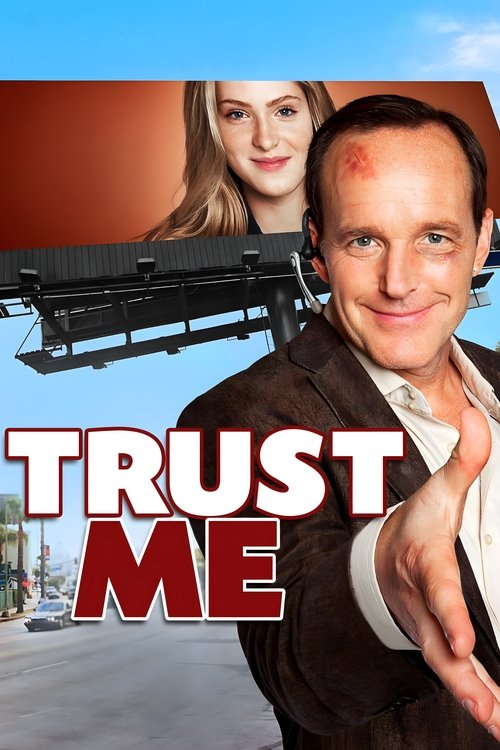
Howard Holloway, played by Clark Gregg, is motivated by a deep desire to succeed and prove himself in the competitive world of talent management. He is disillusioned with his previous career as an actor and sees representing young talent as a way to regain his self-worth and find validation. His emotional state is marked by a mix of desperation and hope, as he believes that discovering and nurturing a new star could be his ticket to redemption.
How does Howard's relationship with the young actress, Lydia, evolve throughout the film?
Howard's relationship with Lydia, portrayed by Saxon Sharbino, begins as a professional one, where he sees her as a potential star. However, as they work together, Howard becomes increasingly protective of her, developing a paternal bond. Lydia, initially naive and trusting, begins to see Howard as a mentor. Their dynamic shifts when Howard's motivations blur the lines between professional and personal, leading to tension as he grapples with his feelings for her and the ethical implications of his role.
What challenges does Howard face in his quest to promote Lydia?
Howard faces numerous challenges in promoting Lydia, including skepticism from industry insiders who doubt her talent and his abilities as a manager. He also encounters personal obstacles, such as his own insecurities and the pressure to deliver results. Additionally, he must navigate the cutthroat nature of Hollywood, where betrayal and manipulation are common. These challenges force Howard to confront his own moral compass and the lengths he is willing to go to secure Lydia's success.
What role does the character of the producer, played by Sam Rockwell, play in the story?
The character of the producer, played by Sam Rockwell, serves as a foil to Howard. He represents the darker side of the entertainment industry, embodying the manipulative and often exploitative nature of Hollywood. His interactions with Howard highlight the ethical dilemmas faced by talent agents and the pressures to compromise one's values for success. The producer's interest in Lydia complicates Howard's efforts, as he must contend with the potential exploitation of her talent and the risks involved in navigating their relationship.
How does Howard's past as an actor influence his actions as a talent agent?
Howard's past as an actor profoundly influences his actions as a talent agent. His experiences in the industry have left him jaded and aware of the pitfalls that young talent can face. This background fuels his determination to protect Lydia from the same disappointments he encountered. However, it also leads to moments of insecurity, as he grapples with feelings of inadequacy and the fear of repeating his own failures. His past shapes his approach to mentorship, driving him to be both supportive and overprotective.
Is this family friendly?
"Trust Me," produced in 2013, is a film that explores themes of deception, ambition, and the complexities of the entertainment industry. While it does not contain explicit content, there are several elements that may be considered objectionable or upsetting for children or sensitive viewers:
-
Mature Themes: The film delves into the darker aspects of the entertainment industry, including manipulation and betrayal, which may be difficult for younger audiences to fully understand.
-
Emotional Turmoil: Characters experience significant emotional distress, including feelings of betrayal, disappointment, and desperation. These intense emotional scenes may be upsetting for some viewers.
-
Conflict and Tension: There are moments of conflict between characters that may involve raised voices or confrontational dialogue, which could be unsettling for younger viewers.
-
Subtle References to Adult Situations: While not graphic, there are references to adult relationships and the pressures of fame that may not be suitable for children.
-
Character Flaws: The protagonist and other characters exhibit morally ambiguous behavior, which may raise questions about ethics and trust that could be challenging for younger audiences to process.
Overall, while "Trust Me" is not overtly inappropriate, its themes and emotional depth may not be suitable for all children or sensitive viewers.








