



























Popular
What motivates Adam Carlson to take action in the rescue of the whales?
How does Rachel Kramer contribute to the whale rescue efforts?
What challenges do the characters face while trying to rescue the whales?
How does the relationship between Adam and Rachel evolve throughout the film?
What role does the local community play in the whale rescue efforts?
Should I watch it?
Ask Your Own Question

What is the plot?
Sorry, we aren't able to watch and write up a full detailed plot yet. Check back in a few days.
More Movies Like This
Browse All Movies →








What is the ending?
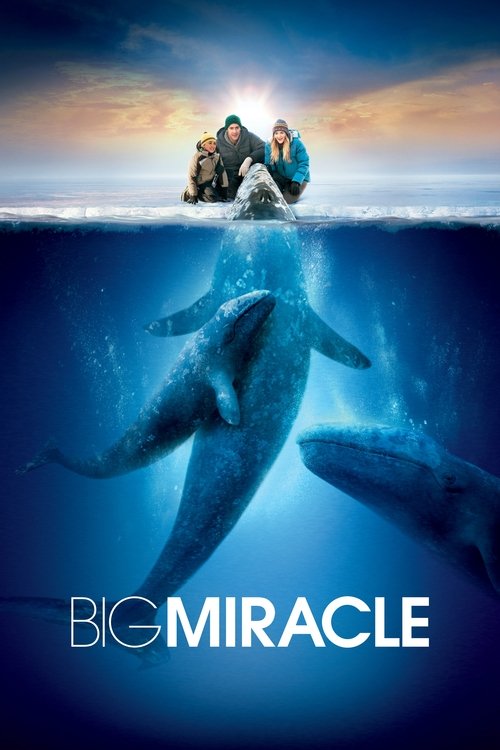
In the ending of "Big Miracle," the three trapped gray whales are finally freed after a massive rescue effort. The whales swim to safety, and the community, along with the media, celebrates their survival. Adam, the environmentalist, and Rachel, the news reporter, share a moment of connection, hinting at a potential rekindling of their relationship. The film concludes with a sense of hope and unity, showcasing the impact of collective action.
As the film approaches its climax, the scene shifts to the icy waters of Alaska, where the three gray whales, nicknamed Fred, Wilma, and Bam Bam, are still trapped beneath the ice. The urgency of their situation has drawn national attention, and a diverse group of people, including environmentalists, local residents, and government officials, have come together to devise a plan to save them. Adam Carlson, the environmentalist played by John Krasinski, is deeply invested in the whales' fate, driven by a sense of responsibility and a desire to make a difference.
In the following scenes, the rescue operation intensifies. Rachel Kramer, the news reporter portrayed by Drew Barrymore, is on-site, capturing the unfolding drama for the world to see. As the media coverage grows, so does public interest, leading to an influx of support and resources for the rescue mission. The tension is palpable as the team works tirelessly to create a path through the ice, using heavy machinery and innovative techniques to break the barriers that confine the whales.
As the days pass, the emotional stakes rise. Adam and Rachel share moments of vulnerability, reflecting on their past relationship and the challenges they face in their personal lives. Their connection deepens as they work side by side, united by a common goal. Meanwhile, the local community rallies around the cause, showcasing a spirit of cooperation and determination. The film highlights the power of collective action, as people from different backgrounds come together for a shared purpose.
In a pivotal moment, the team successfully creates a channel in the ice, allowing the whales to swim toward freedom. The tension reaches its peak as the whales, initially hesitant, begin to move. The sight of the whales breaking through the ice is both breathtaking and emotional, symbolizing hope and resilience. The community erupts in cheers, celebrating the success of the rescue mission.
As the whales swim away, Adam and Rachel share a poignant moment, acknowledging the bond they have formed throughout the ordeal. Adam's character arc comes full circle as he realizes the importance of connection, both with nature and with the people around him. Rachel, too, finds a renewed sense of purpose in her work, understanding the impact of her reporting on the world.
In the final scenes, the film captures the aftermath of the rescue. The whales are seen swimming freely in the ocean, a powerful image of survival and triumph. Adam and Rachel stand together, reflecting on the journey they have taken, both personally and professionally. The film closes with a sense of hope, emphasizing the importance of compassion, teamwork, and the ability to effect change when people come together for a common cause. Each character, from Adam to Rachel, emerges transformed by the experience, having learned valuable lessons about love, responsibility, and the interconnectedness of all living beings.
Is there a post-credit scene?
In the movie "Big Miracle," there is no post-credit scene. The film concludes with a heartfelt resolution to the story of the three trapped gray whales and the efforts made by various individuals and organizations to save them. The narrative wraps up with a sense of hope and unity, showcasing the impact of the rescue on the community and the world, but it does not include any additional scenes or content after the credits. The focus remains on the emotional journey of the characters and the real-life events that inspired the film.
What motivates Adam Carlson to take action in the rescue of the whales?
Adam Carlson, played by John Krasinski, is a local news reporter who initially sees the story of the trapped whales as a career opportunity. However, as he becomes more emotionally invested in the plight of the whales and the community's response, his motivation shifts to a genuine desire to save the animals. He feels a deep sense of responsibility and connection to the whales, especially as he witnesses the impact of their situation on the local community.
How does Rachel Kramer contribute to the whale rescue efforts?
Rachel Kramer, portrayed by Drew Barrymore, is an environmental activist who plays a crucial role in mobilizing public support for the whale rescue. Her passion for wildlife and her determination to save the whales drive her to collaborate with Adam and other stakeholders. Rachel's character embodies the spirit of activism, as she works tirelessly to raise awareness and gather resources, ultimately becoming a key figure in the rescue operation.
What challenges do the characters face while trying to rescue the whales?
The characters face numerous challenges during the rescue operation, including harsh weather conditions, political obstacles, and logistical issues. The freezing temperatures and ice formations create a dangerous environment for both the whales and the rescuers. Additionally, they encounter skepticism from government officials and the oil company, which complicates their efforts. The emotional toll of the situation weighs heavily on the characters, as they grapple with the urgency of saving the whales against the backdrop of these formidable challenges.
How does the relationship between Adam and Rachel evolve throughout the film?
Adam and Rachel's relationship evolves from a professional partnership to a deeper emotional connection as they work together to save the whales. Initially, their interactions are marked by tension and differing priorities, but as they face the challenges of the rescue, they begin to understand and support each other. Their shared passion for the whales and the community fosters a bond that grows stronger, culminating in a romantic connection that highlights their personal growth and commitment to the cause.
What role does the local community play in the whale rescue efforts?
The local community plays a vital role in the whale rescue efforts, coming together to support the cause in various ways. Residents rally to raise funds, provide supplies, and volunteer their time to help with the rescue operation. The community's collective spirit and determination reflect the emotional stakes of the situation, as they recognize the whales as part of their environment and identity. This unity not only aids in the rescue but also strengthens the bonds among the community members, showcasing the power of collective action.
Is this family friendly?
"Big Miracle," produced in 2012, is generally considered family-friendly, but there are a few scenes and themes that might be potentially objectionable or upsetting for children or sensitive viewers.
-
Environmental Concerns: The film addresses the plight of three trapped gray whales, which may evoke feelings of sadness or concern for animal welfare. Scenes depicting the whales struggling for survival can be emotionally intense.
-
Conflict and Tension: There are moments of conflict between different groups, including environmentalists, government officials, and oil companies. This tension may be difficult for younger viewers to fully understand.
-
Personal Struggles: The character of Adam, played by John Krasinski, faces personal challenges and emotional turmoil related to his past and relationships, which may resonate with older children but could be confusing for younger ones.
-
Natural Elements: The harsh Arctic environment is depicted, including scenes of ice and cold that may be unsettling for some viewers, especially when the whales are in danger.
-
Emotional Moments: There are scenes that evoke strong emotions, such as fear for the whales' safety and the desperation of the characters trying to save them, which could be distressing for sensitive viewers.
Overall, while the film carries a hopeful message about compassion and teamwork, these elements may require parental guidance for younger audiences.









