







Popular
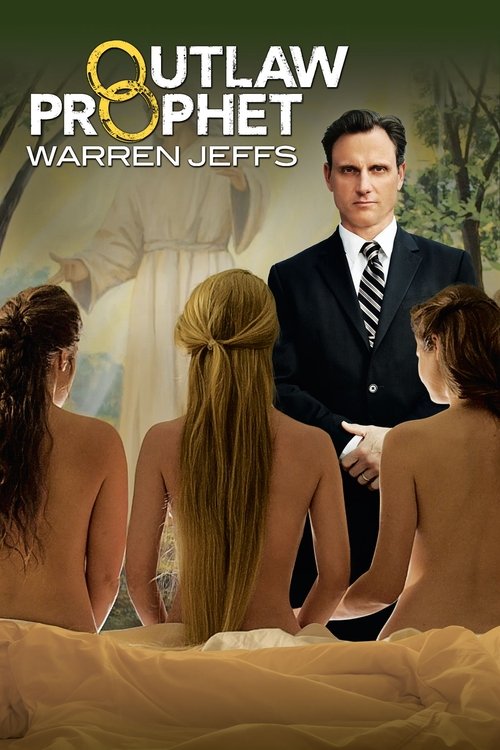
What motivates Warren Jeffs to lead the FLDS community in the way he does?
How does Warren Jeffs's relationship with his father influence his actions?
What role do the women in the FLDS community play in Warren Jeffs's life?
How does Warren Jeffs justify his controversial practices to his followers?
What events lead to Warren Jeffs's eventual arrest and downfall?
Should I watch it?
Ask Your Own Question

What is the plot?
Sorry, we aren't able to watch and write up a full detailed plot yet. Check back in a few days.







What is the ending?
In the ending of "Outlaw Prophet: Warren Jeffs," Warren Jeffs is captured by law enforcement and faces trial for his crimes, including sexual assault and child abuse. The film concludes with his conviction and imprisonment, highlighting the impact of his actions on the lives of his followers and the families he tore apart.
As the final act unfolds, the tension escalates. The scene opens with Warren Jeffs, portrayed as increasingly paranoid and isolated, hiding from authorities. He is shown in a dimly lit room, surrounded by stacks of religious texts, his face a mask of desperation and delusion. The camera captures his frantic movements as he paces, muttering to himself about his divine mission and the persecution he believes he faces.
The narrative shifts to law enforcement, who are closing in on him. A series of quick cuts show officers coordinating their efforts, their determination palpable. They discuss the urgency of capturing Jeffs, emphasizing the danger he poses to the community and the children under his influence. The tension builds as they prepare for a raid, their faces set with resolve.
In a pivotal scene, Jeffs is finally apprehended in a remote location. The camera captures the moment of his arrest with a sense of gravity; officers surround him, their expressions a mix of relief and stern duty. Jeffs, still clinging to his delusions of grandeur, attempts to assert his authority, but the officers remain unfazed. The scene is charged with emotion as the reality of his downfall sinks in.
The film then transitions to the courtroom, where Jeffs faces trial. The atmosphere is heavy with the weight of the testimonies from former followers and victims. The camera lingers on their faces, revealing the pain and trauma they endured under his leadership. Each testimony serves as a stark reminder of the manipulation and abuse that occurred within the community. Jeffs, seated at the defendant's table, appears increasingly agitated, his facade of control crumbling as the evidence mounts against him.
As the jury delivers its verdict, the tension in the courtroom is palpable. The camera captures the moment of silence before the verdict is read, focusing on the anxious faces of the victims and their families. When the guilty verdict is announced, a wave of relief washes over the courtroom. The victims exchange glances, their expressions a mix of vindication and sorrow for the years lost to Jeffs' tyranny.
In the final scenes, the film depicts Jeffs being led away in handcuffs, a stark contrast to the power he once wielded. The camera follows him as he is escorted to a prison van, his demeanor now one of defeat. The emotional weight of the film culminates in a montage of the families beginning to heal, showing them reclaiming their lives and finding strength in their shared experiences.
The film closes with a poignant reminder of the resilience of those affected by Jeffs' actions. As the screen fades to black, the audience is left with the haunting legacy of his crimes and the hope for a brighter future for the survivors. Each character's fate is sealed: Jeffs is imprisoned, stripped of his power, while the victims begin their journey toward recovery, united in their strength and determination to move forward.
Is there a post-credit scene?
The movie "Outlaw Prophet: Warren Jeffs" does not contain a post-credit scene. The film concludes with a focus on the aftermath of Warren Jeffs' trial and the impact of his actions on the lives of his followers and the broader community. The narrative wraps up without any additional scenes or content after the credits.
What motivates Warren Jeffs to lead the FLDS community in the way he does?
Warren Jeffs is driven by a deep-seated belief in his role as a prophet, which he interprets as a divine mandate to lead his followers. His motivations are rooted in a desire for power and control, as well as a fervent commitment to the principles of the Fundamentalist Church of Jesus Christ of Latter-Day Saints (FLDS). He believes that he is the chosen leader who must guide his people according to strict religious doctrines, which leads him to make increasingly authoritarian decisions.
How does Warren Jeffs's relationship with his father influence his actions?
Warren Jeffs's relationship with his father, Rulon Jeffs, is complex and pivotal to his character development. Rulon, the previous leader of the FLDS, instills in Warren the belief that he is destined to continue his father's legacy. This pressure to live up to his father's expectations shapes Warren's identity and fuels his ambition to assert his authority over the community, often leading to oppressive practices.
What role do the women in the FLDS community play in Warren Jeffs's life?
The women in the FLDS community, particularly his multiple wives, are central to Warren Jeffs's life and the narrative. They are often portrayed as both devoted followers and victims of his oppressive regime. Warren's relationships with them are marked by manipulation and control, as he uses their loyalty to reinforce his power. The emotional turmoil and struggles of these women highlight the personal costs of Warren's authoritarian rule.
How does Warren Jeffs justify his controversial practices to his followers?
Warren Jeffs justifies his controversial practices, including polygamy and strict control over his followers' lives, by framing them as divine commandments. He uses religious rhetoric to convince his followers that these practices are essential for their salvation and the fulfillment of God's will. His ability to manipulate scripture and instill fear of divine retribution plays a significant role in maintaining his authority.
What events lead to Warren Jeffs's eventual arrest and downfall?
Warren Jeffs's downfall is precipitated by a series of events, including increasing scrutiny from law enforcement and the media. His secretive lifestyle and the allegations of abuse within the FLDS community draw attention, leading to investigations. The turning point comes when he is placed on the FBI's Ten Most Wanted list, culminating in his arrest in 2006. The subsequent trial exposes the extent of his criminal activities and the oppressive environment he created, ultimately leading to his conviction.
Is this family friendly?
"Outlaw Prophet: Warren Jeffs" is not considered family-friendly due to its mature themes and content. Here are some potentially objectionable or upsetting aspects that may affect children or sensitive viewers:
-
Polygamy and Underage Marriage: The film explores the practice of polygamy within the Fundamentalist Church of Jesus Christ of Latter-Day Saints (FLDS), including the portrayal of underage marriages, which can be disturbing.
-
Emotional Abuse: There are scenes depicting emotional manipulation and control exerted by Warren Jeffs over his followers, which may be unsettling.
-
Isolation and Fear: The film illustrates the isolation of community members and the fear instilled by Jeffs, creating a tense atmosphere that could be distressing.
-
Religious Extremism: The portrayal of extreme religious beliefs and practices may be confusing or upsetting for younger viewers.
-
Conflict and Tension: There are moments of conflict, including confrontations and the emotional turmoil of characters, which may be intense for sensitive audiences.
-
Depictions of Authority Figures: The film includes scenes with law enforcement and authority figures that may evoke feelings of fear or anxiety.
Overall, the film deals with heavy and complex themes that may not be suitable for children or those who are sensitive to such topics.









