
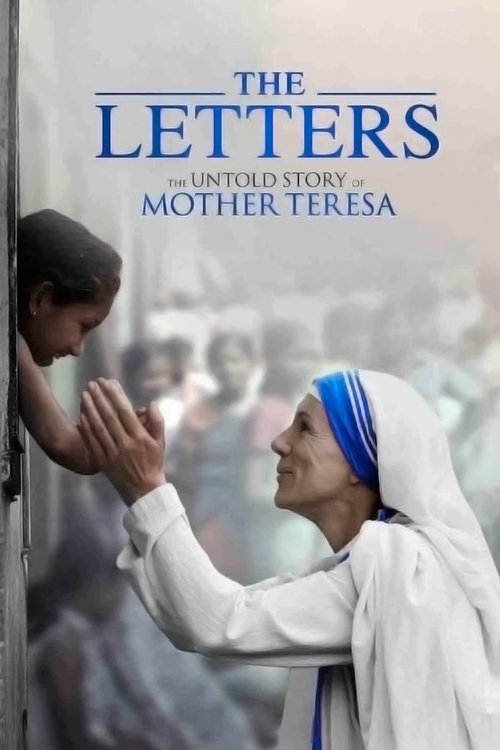









Popular
What role does Mother Teresa play in the film?
How does the film depict Mother Teresa's relationship with her spiritual advisor?
What challenges does Mother Teresa face in her mission throughout the film?
How does the film portray the impact of Mother Teresa's work on the people she serves?
What is the significance of the letters written by Mother Teresa in the film?
Should I watch it?
Ask Your Own Question

What is the plot?
Sorry, we aren't able to watch and write up a full detailed plot yet. Check back in a few days.









What is the ending?
In the ending of "The Letters," Mother Teresa's legacy is solidified through the publication of her letters, revealing her struggles with faith and doubt. The film concludes with a sense of peace as her life's work continues to inspire others, and her impact on the world is acknowledged.
As the film approaches its conclusion, we see a series of poignant scenes that encapsulate Mother Teresa's journey. The narrative shifts to a quiet room where the letters she wrote throughout her life are being compiled. The letters reveal her deep internal struggles, her feelings of abandonment by God, and her unwavering commitment to serving the poorest of the poor.
In a flashback, we witness Mother Teresa in her early days, filled with zeal and passion as she begins her mission in Calcutta. The vibrant colors of the city contrast with the stark realities she faces, as she tends to the sick and dying. Her determination is palpable, yet the letters reveal a different side of her--one filled with doubt and loneliness.
As the letters are read aloud, we see the reactions of those around her. The audience is moved by her vulnerability, and it becomes clear that her faith was not a constant source of strength but rather a journey filled with challenges. The film intersperses these readings with scenes of her continuing work, showcasing her tireless efforts to uplift those in need.
The final scenes depict a gathering of her followers and supporters, who reflect on her legacy. They discuss the impact of her work and the importance of her letters in understanding her true self. The atmosphere is one of reverence and gratitude, as they acknowledge that her struggles only made her mission more profound.
As the credits begin to roll, we see images of her continuing influence around the world, with people inspired by her message of love and compassion. The film closes on a serene note, emphasizing that while Mother Teresa faced her own battles, her life's work will continue to resonate and inspire future generations.
In summary, the ending of "The Letters" encapsulates the essence of Mother Teresa's life--her struggles, her unwavering commitment to her mission, and the lasting impact she has made on the world. Each character, from her followers to those she served, reflects on her legacy, ensuring that her message of love and service endures.
Is there a post-credit scene?
The movie "The Letters," released in 2014, does not contain a post-credit scene. The film concludes its narrative without any additional scenes or content after the credits roll. The story focuses on the life of Mother Teresa, exploring her correspondence and the profound impact of her faith and humanitarian work. The ending emphasizes her legacy and the messages she conveyed through her letters, leaving the audience with a sense of reflection on her life and mission.
What role does Mother Teresa play in the film?
In 'The Letters', Mother Teresa is portrayed as a central figure whose life and work are explored through the lens of her correspondence. The film delves into her spiritual journey, her dedication to serving the poor, and the challenges she faced, particularly her struggles with faith and doubt. Her character is depicted with a deep sense of compassion and unwavering commitment to her mission, which is highlighted through her interactions with those she helps and her reflections in her letters.
How does the film depict Mother Teresa's relationship with her spiritual advisor?
The film illustrates a complex relationship between Mother Teresa and her spiritual advisor, Father Celeste van Exem. Their interactions reveal a deep bond built on mutual respect and understanding. Father Celeste serves as a confidant for Mother Teresa, providing guidance and support as she navigates her spiritual crises. The emotional weight of their conversations showcases her vulnerability and the burden of her mission, emphasizing the importance of mentorship in her life.
What challenges does Mother Teresa face in her mission throughout the film?
Throughout 'The Letters', Mother Teresa faces numerous challenges in her mission to serve the poorest of the poor. These include the physical and emotional toll of her work, the skepticism and criticism from the outside world regarding her methods and beliefs, and her own internal struggles with faith. The film poignantly captures her moments of doubt and despair, particularly as she grapples with feelings of abandonment by God, which adds depth to her character and highlights the sacrifices she makes for her calling.
How does the film portray the impact of Mother Teresa's work on the people she serves?
The film vividly portrays the profound impact of Mother Teresa's work on the lives of the individuals she serves. Through various scenes, viewers witness her compassion as she cares for the sick, the dying, and the destitute. The emotional connections she forms with these individuals are depicted with sensitivity, showcasing her ability to bring dignity and hope to their lives. The film emphasizes the transformative power of her love and service, illustrating how her presence brings comfort and solace to those in despair.
What is the significance of the letters written by Mother Teresa in the film?
The letters written by Mother Teresa serve as a crucial narrative device in 'The Letters', providing insight into her inner thoughts and struggles. They reveal her deep faith, her doubts, and her reflections on her life's work. The letters are not only a means of communication but also a way for her to process her experiences and emotions. The film uses these letters to bridge the gap between her public persona and her private struggles, allowing the audience to connect with her on a more personal level.
Is this family friendly?
"The Letters," produced in 2014, is a biographical drama that explores the life of Mother Teresa through her correspondence. While the film is generally family-friendly, there are a few aspects that might be considered objectionable or upsetting for children or sensitive viewers:
-
Themes of Suffering and Poverty: The film depicts the harsh realities of poverty and suffering in the lives of the people Mother Teresa helps. These scenes can be emotionally intense and may be difficult for younger viewers to process.
-
Death and Illness: There are moments that involve illness and death, particularly in the context of the people Mother Teresa serves. These scenes may evoke strong emotions and could be distressing for some viewers.
-
Religious Themes: The film heavily features religious themes and discussions about faith, doubt, and the struggles of belief. While this may resonate with some, it could be confusing or uncomfortable for those who are not familiar with these concepts.
-
Emotional Struggles: Mother Teresa's internal conflicts and moments of doubt regarding her faith and mission are portrayed, which may be heavy for younger audiences to understand fully.
Overall, while the film carries a positive message about compassion and service, the emotional weight of its themes may require parental guidance for younger viewers.